
Last updated November 25, 2026
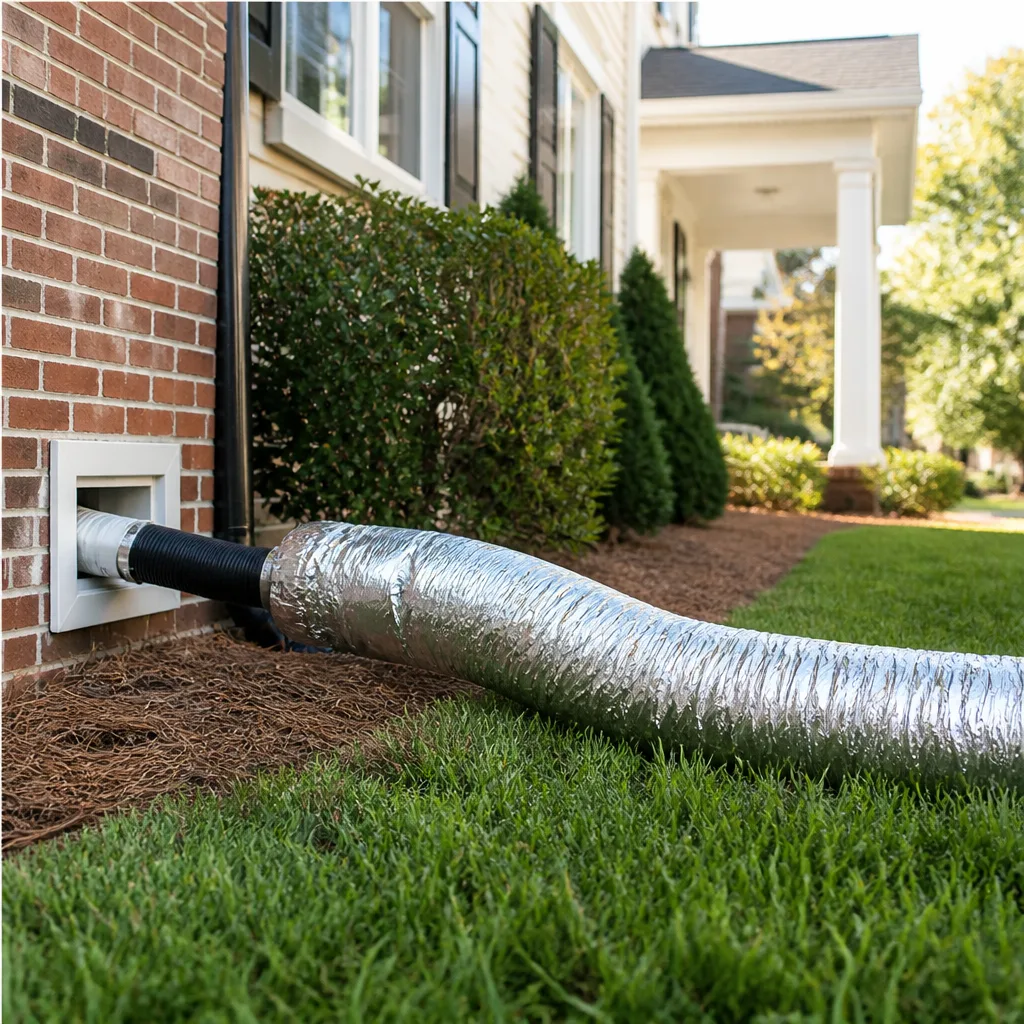 Whole-home duct cleaning
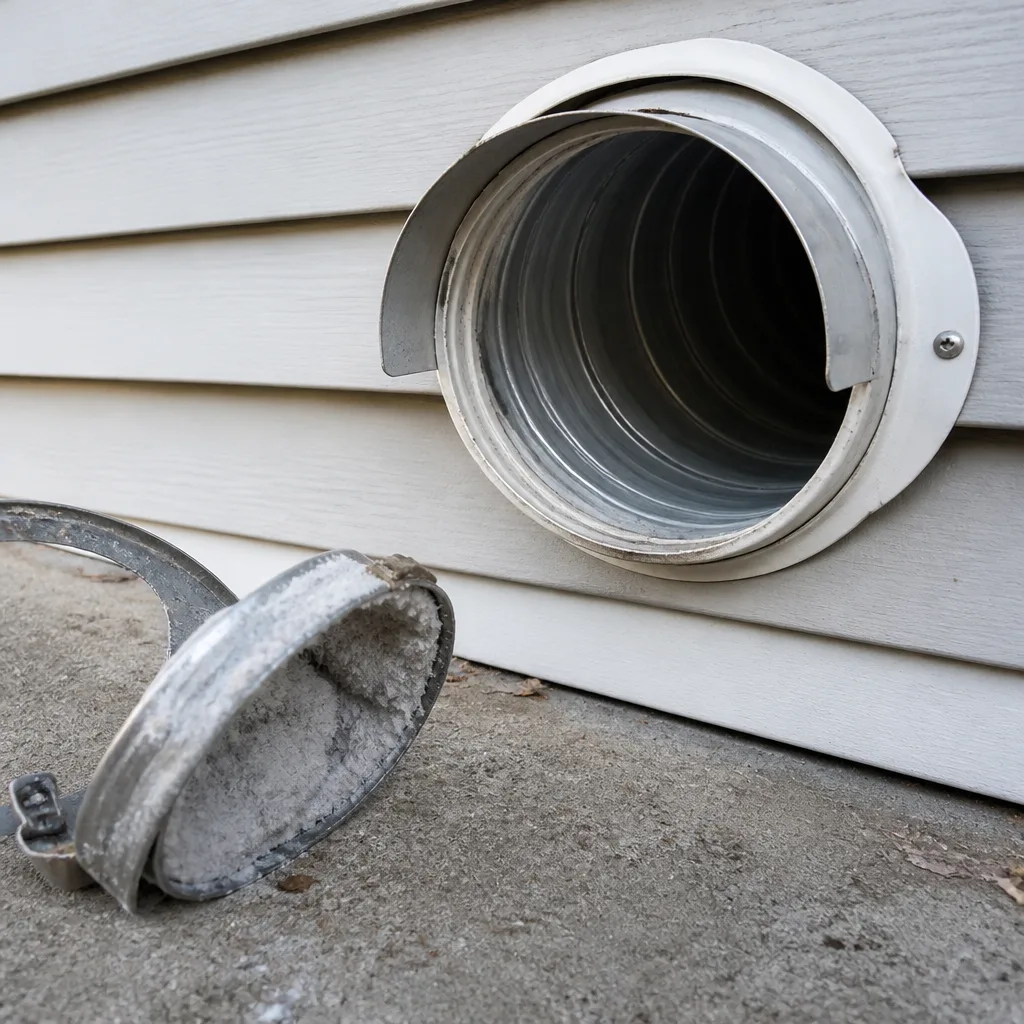 Dryer vent cleaning
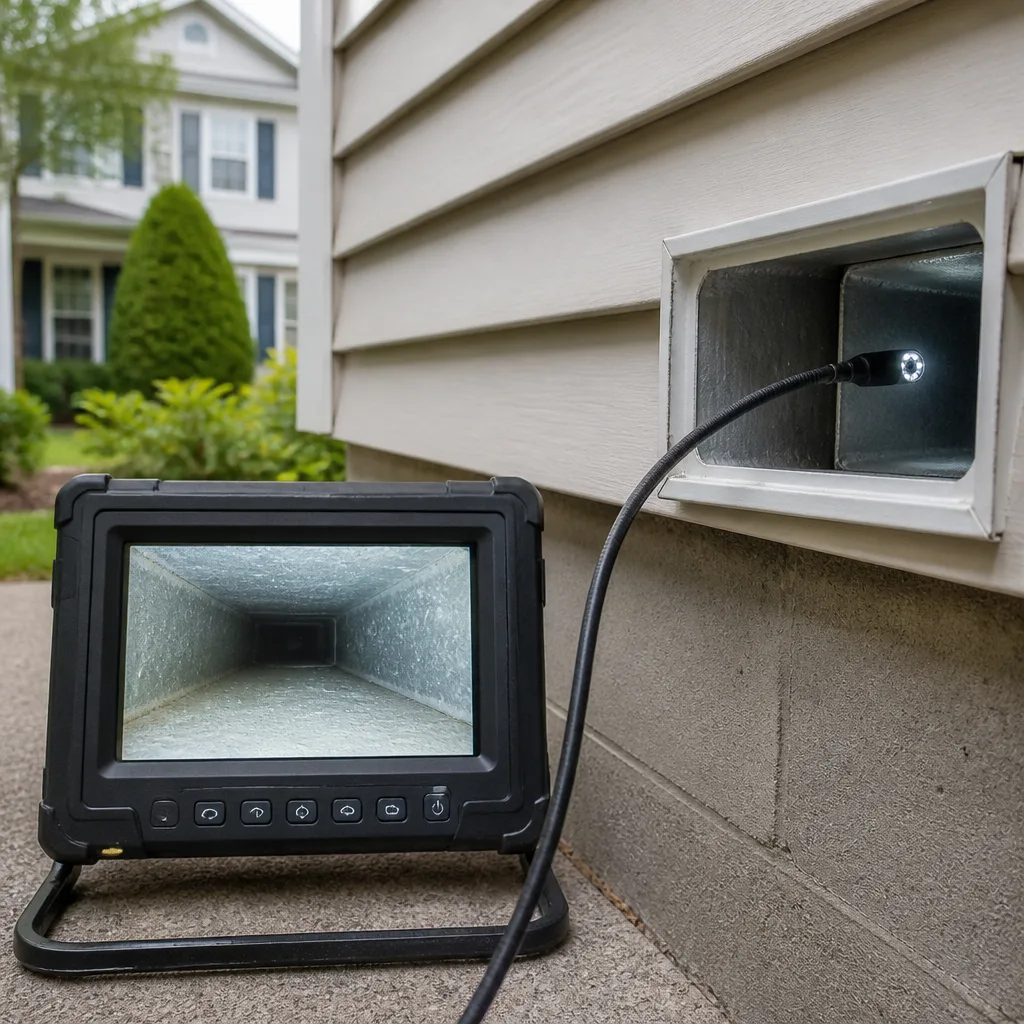 Camera inspection
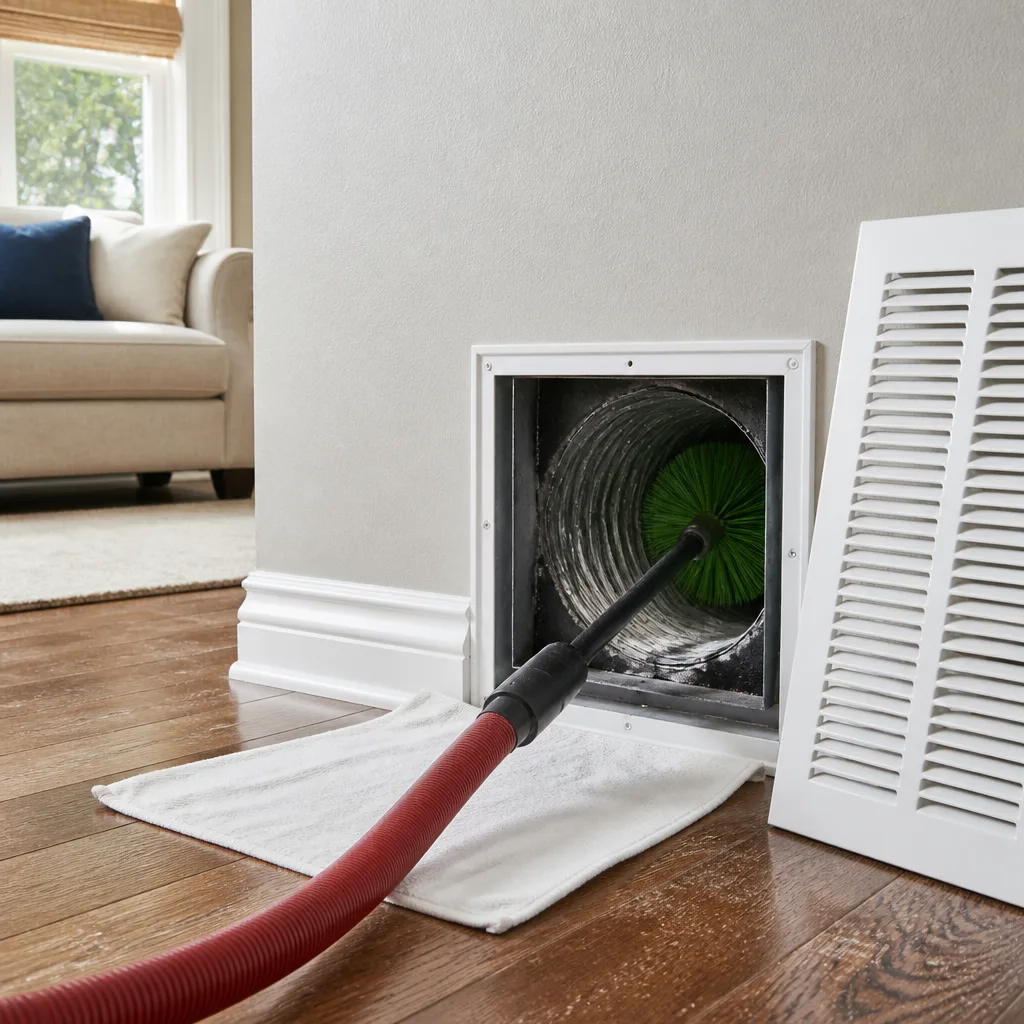 Sanitizing & deodorizing
Whole-system duct and dryer vent check with before-and-after photos - you see exactly what came out of your vents
That "$99 whole-house special" is a bait ad - the real number appears once they are in your hallway, or the "clean" is a shop-vac at the register. We photograph the inside of your ducts before and after instead.
Air Duct Cleaning Maintenance Schedule: What to Do and When
Nearly every duct cleaning website tells you the same thing: clean your ducts every 3 to 5 years. That number traces back to a 1990s industry guideline written before high-MERV filtration, modern flex duct construction, and climate-driven air quality events became normal parts of a home’s air supply. It’s not wrong. It’s just too blunt to be useful. A house with two dogs, fresh drywall dust, and a winter inversion season is not on the same schedule as a filtered, pet-free condo. What follows is a schedule built around what actually contaminates a system, with Sandy-specific timing on top.
Quick Answer
Most Sandy homes need professional duct cleaning every 4 to 7 years, but the real triggers are condition-based: pets, recent renovation, duct material, and smoke or inversion exposure. Check filters monthly, inspect registers seasonally, and book cleaning after any remodel or heavy wildfire smoke season rather than waiting for a calendar date.
Styles & brands we work with
- Whole-home duct cleaning
- Dryer vent cleaning
- Camera inspection
- Sanitizing & deodorizing
Table of Contents
- Why the “Every 3-5 Years” Rule Falls Short
- Condition Triggers vs. Time Triggers
- The Sandy Calendar: Wildfire Smoke, Construction Season, and Inversions
- How Duct Material Changes Your Schedule and the Method
- What to Do Between Professional Cleanings
- Post-Renovation Protocol
- Signs Your Ducts Are Due for Cleaning Right Now
- Common Mistakes to Avoid
Why the “Every 3-5 Years” Rule Falls Short
The 3-to-5-year recommendation assumes a fairly stable house: one filtration setup, one occupant pattern, one climate. Homes in Sandy rarely sit still. The variable that matters is contamination rate, and contamination rate changes with filtration quality, duct construction, occupant behavior, and what the outdoor air is carrying in a given season.
Three things shifted since that guideline was written. High-MERV filtration became common in standard residential systems, and better upstream filtration means less debris reaching the duct interior. Flex duct construction changed how dust settles, because the corrugated interior catches material that smooth sheet metal lets pass. And climate-driven air quality events, including wildfire smoke and prolonged inversions, now push measurable particulate into homes across the Wasatch Front on a seasonal basis. A blanket interval can’t account for any of that.
The right question isn’t “has it been a certain number of years?” It’s “what has this system been through since the last cleaning?” That’s the shift this guide is built around, and it’s how our technicians assess a system on a walkthrough. When we run a camera and a contact vacuum through a Sandy home, the contamination we find and the interval that led there rarely line up with a number on a website.
Our technicians have up to 15 years of experience reading those conditions, and the assessment is why professional-grade equipment matters. Consumer vacuums repurposed for duct work can’t reach the branch runs or agitate the settled layer where contamination actually sits. We run Rotobrush and Nikro systems on every job, the same class of equipment specified for commercial and restoration-grade cleaning.
Condition Triggers vs. Time Triggers
A time trigger is simple: a date on the calendar. A condition trigger is what’s actually happening inside the system. In our experience, condition triggers predict when a Sandy home needs cleaning far more accurately, and they’re the ones to watch.
Here’s how to separate the two.
Time Triggers
- Years since the last documented cleaning
- Years since the HVAC system was installed if it’s never been cleaned
- Scheduled maintenance reminders from an HVAC contractor
Condition Triggers
- Pets in the home. Fur and dander load the return system continuously. Homes with shedding pets typically need cleaning sooner than the time interval suggests.
- Recent renovation. Drywall dust, sawdust, and insulation fibers pull into the return the day a contractor opens a wall. This overrides the calendar entirely.
- Smoke exposure. A heavy wildfire smoke season leaves residue that settles on duct surfaces, not just in the air filter.
- Visible debris at registers. Pull a register cover and shine a light. A dark film or debris accumulation means the contamination is already in the trunk line.
- Uneven airflow or musty odor. Both point to blockage or organic growth inside the system.
- Allergy flare-ups that follow the season, not the pollen count. If symptoms worsen inside the house, the duct system is a reasonable suspect.
When several of these conditions stack, the interval shortens. A pet-owning home with a recent kitchen remodel and a smoke-heavy summer is a two-trigger system, and the schedule should reflect that.
The Sandy Calendar: Wildfire Smoke, Construction Season, and Inversions
Sandy sits against the Wasatch Range, and the geography shapes the local air picture in ways a generic schedule ignores. Three seasonal events accelerate duct contamination here, and each has a practical response.
1. Wildfire Smoke Season (Summer into Early Fall)
When smoke settles over the valley, particulate enters through every opening and pulls into the return. A high-MERV filter catches much of it, but the filter only catches what reaches it. Fine residue that settles on duct surfaces stays there. Homes that ran windows open during a smoke event, or that have older filtration, should treat the end of smoke season as a checkpoint. If the ducts haven’t been cleaned in several years, that’s the trigger.
2. Spring Construction Season
Spring is when remodel schedules open up across Sandy and the surrounding east bench, and construction dust is the single most reliable reason ducts get contaminated. Any project that opens walls, replaces drywall, or cuts into a ceiling cavity pushes dust into the system. The response isn’t a wait-and-see. It’s a cleaning after the project closes up.
3. Winter Inversion Periods
Cold-air inversions trap pollutants close to the valley floor, and the trapped layer includes fine particulate that finds its way indoors. Homes that run the furnace constantly through an inversion cycle are pulling that outside air through the system at high volume. A filter change mid-winter and a duct inspection in early spring is a sensible rhythm for Sandy homes that sit in the inversion layer.
Building a schedule around these three seasons is more useful than a fixed interval, because it matches when the actual loading happens in this valley. If you want a baseline service in place, air duct cleaning at the end of smoke season or right after a remodel is the timing that pays off.
How Duct Material Changes Your Schedule and the Method
Duct material affects both how often a system needs cleaning and what method is appropriate. A schedule written for sheet metal doesn’t transfer cleanly to flex or fiberglass-lined duct, and treating them the same is one of the more common mistakes in the field.
- Sheet metal duct. Smooth interior surfaces let debris travel and settle in predictable low spots. Cleaning is straightforward with proper agitation and vacuum, and the material tolerates a more forceful mechanical clean. These systems typically hold their interval well.
- Flex duct. The corrugated interior catches dust in the ribs, so contamination builds faster and holds tighter. Flex also requires gentler cleaning tools, because aggressive brushing can damage the liner. Expect a shorter effective interval and a more careful process.
- Fiberglass-lined duct. The lining is textured and porous, which traps material and can support organic growth if moisture is present. Cleaning needs a controlled method, and if the liner is compromised, the fix may be repair rather than repeating a clean.
Material also informs repair decisions. A leaky duct joint loses conditioned air and pulls unfiltered air from unconditioned spaces, which accelerates contamination no matter the material. That’s why we focus on duct repair and sealing alongside HVAC cleaning, so a leak that’s feeding the problem gets closed off instead of cleaned around.
What to Do Between Professional Cleanings
Between professional visits, a small amount of regular attention keeps the interval realistic. None of this replaces a proper cleaning, but it slows loading and gives you early warning when conditions shift.
Filters
- Check the filter monthly during heavy-use seasons (summer smoke, winter inversion) and every 2 to 3 months otherwise.
- Match the filter rating to your equipment. A high-MERV filter strains a system not designed for the pressure drop; a low one lets particulate through. If you’re unsure, a licensed HVAC technician can confirm what your system handles.
- Honeywell and Aprilaire filter and filtration lines are ones we work with, and they’re well-enough understood that replacement guidance is easy to follow.
Register Inspection
- Remove and inspect each supply and return register twice a year: once before cooling season and once before heating season.
- Look for dark film, debris, or dust lines. Visible buildup inside the boot means the problem has moved past the grille.
Blower Compartment Checks
- Have the blower compartment and evaporator coil checked once a year as part of HVAC maintenance. A dirty blower or coil reduces airflow and can push contamination deeper into the system.
These intervals are checkpoints, not a cleaning schedule on their own. They tell you when the condition triggers are stacking up.
Post-Renovation Protocol
A remodel resets the duct schedule regardless of when the last cleaning happened. New construction and major remodeling generate fine dust that settles into every surface, and the return air system pulls that dust into the duct interior almost immediately. A home cleaned two years ago during a kitchen remodel still needs a post-project cleaning.
Here’s the sequence that works:
- Seal off the work area before demo begins. Plastic sheeting over returns and supply registers in the work zone keeps the bulk of dust out of the system.
- Change the filter the day the project closes. A construction-dust-loaded filter will only pass more debris through once it’s saturated.
- Book duct cleaning within a week or two of final cleanup. Drywall dust settles over days, so waiting a short while lets the last of it drop before cleaning.
- Have the system sanitized if there was any moisture event. A Guardsman-backed sanitizing protocol addresses mold and bacteria concerns that construction dust alone doesn’t.
- Confirm the cleaning with before-and-after documentation. Ask for photos of your own ducts before and after so you can see the work was actually done.
New construction falls into the same category. Builder dust, insulation fibers, and drywall residue are present from day one, and a first cleaning before move-in is the cleanest start a new Sandy home can get.
Signs Your Ducts Are Due for Cleaning Right Now
If you’re seeing any of the following, the schedule debate is over and an inspection is warranted.
- Visible dust or debris streaming from registers when the system starts up
- Musty or stale odors when the air comes on
- Uneven airflow: some rooms warm and cool easily, others never do
- Allergy symptoms that get worse indoors and follow the seasons
- Recent major renovation, new construction, or a heavy smoke season since the last cleaning
- The system has never been cleaned and you’ve owned the home for several years
- A pet population in the home and no cleaning on record
Airflow symptoms also point at leaks, not just debris. A duct system leaking at the joints loses conditioned air and pulls in unfiltered air from attic or crawl spaces. That’s where our Sandy Air Duct Cleaning Pros approach differs from a cleaning-only service: we look for the leak and, where it makes sense, repair and seal it in the same visit. Cleaning alone won’t fix a leak, and a leak will undo a cleaning at a faster clip.
Common Mistakes to Avoid
- Treating 3-to-5 years as a universal rule. It ignores pets, renovation, and smoke exposure, which are the variables that actually matter in a Sandy home. A schedule built on conditions beats a calendar every time.
- Waiting for a remodeling project to wrap up before thinking about ducts. By then the dust has already been pulled in. Protect the registers before demo starts and clean after.
- Assuming a filter change counts as duct cleaning. The filter catches what reaches it. Residue that has already settled inside the duct stays there.
- Skipping the blower and coil check. A dirty blower or evaporator coil can make a freshly cleaned system misbehave and pull debris deeper. Clean the whole chain, not just the runs.
- Accepting a cleaning quote with no documentation. If you can’t see before-and-after photos of your own ducts, you have no way to know the work was done. Ask before booking.
- Ignoring the dryer vent. It’s part of the same airflow picture and a fire-safety item. dryer vent cleaning belongs on the same annual attention cycle as the HVAC checks.
- Hiring a coupon-driven crew. A low teaser price usually becomes a much larger invoice once the technician is on site. One flat price per system, agreed before work starts, is the honest way to book.
See the difference
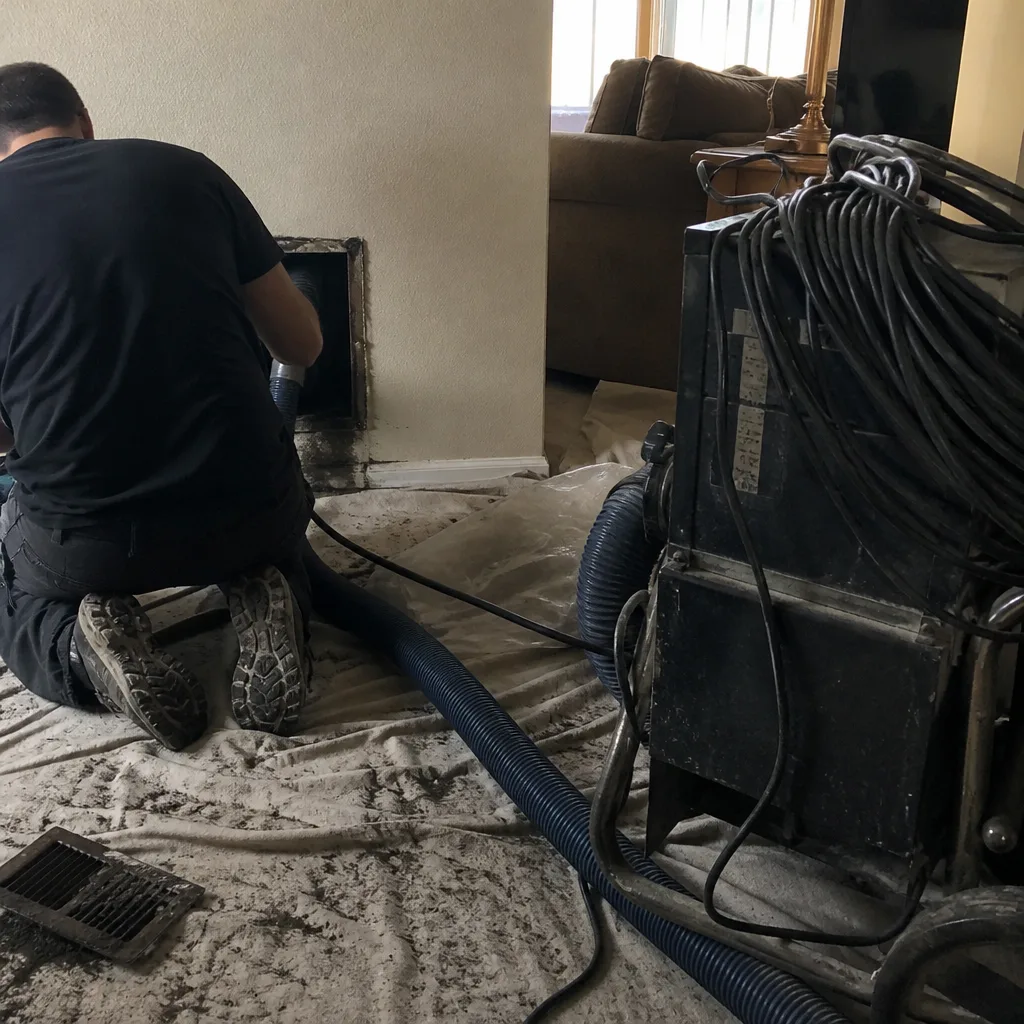 Before
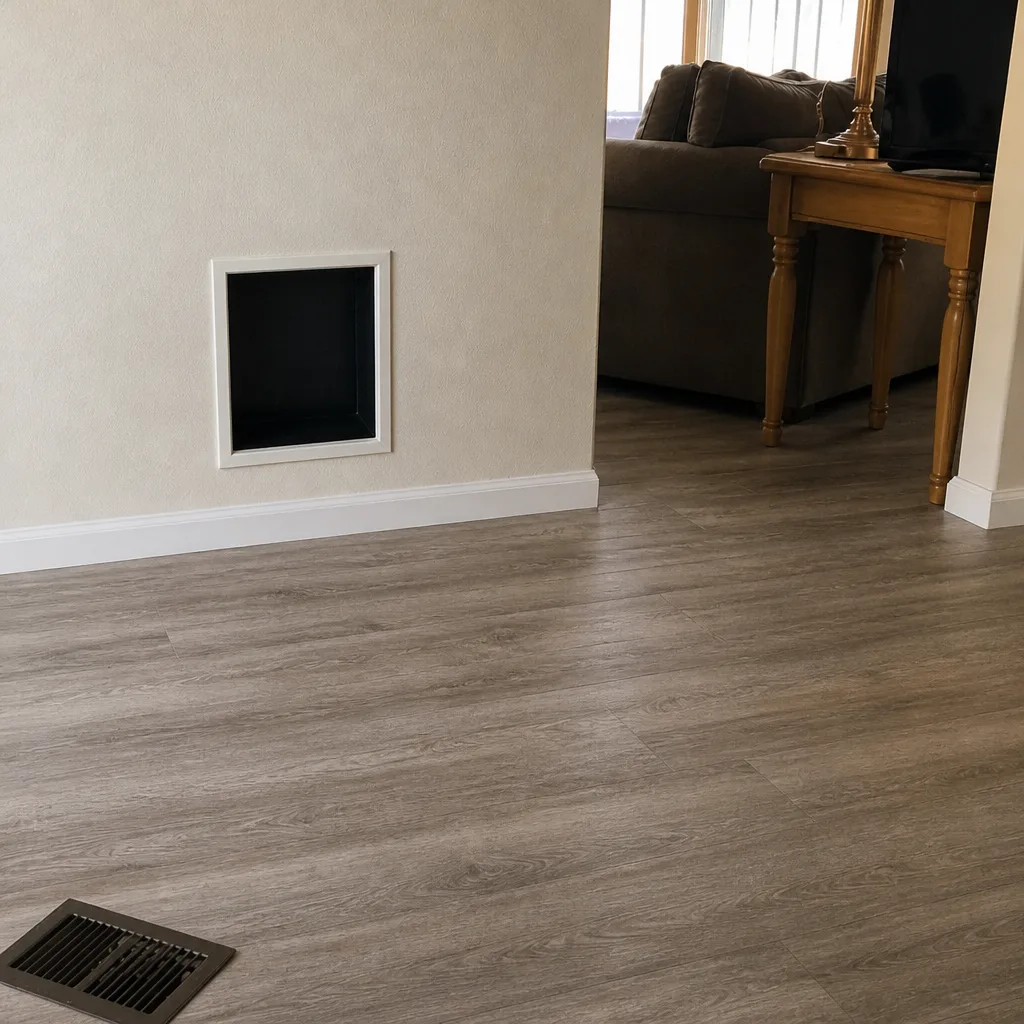 After
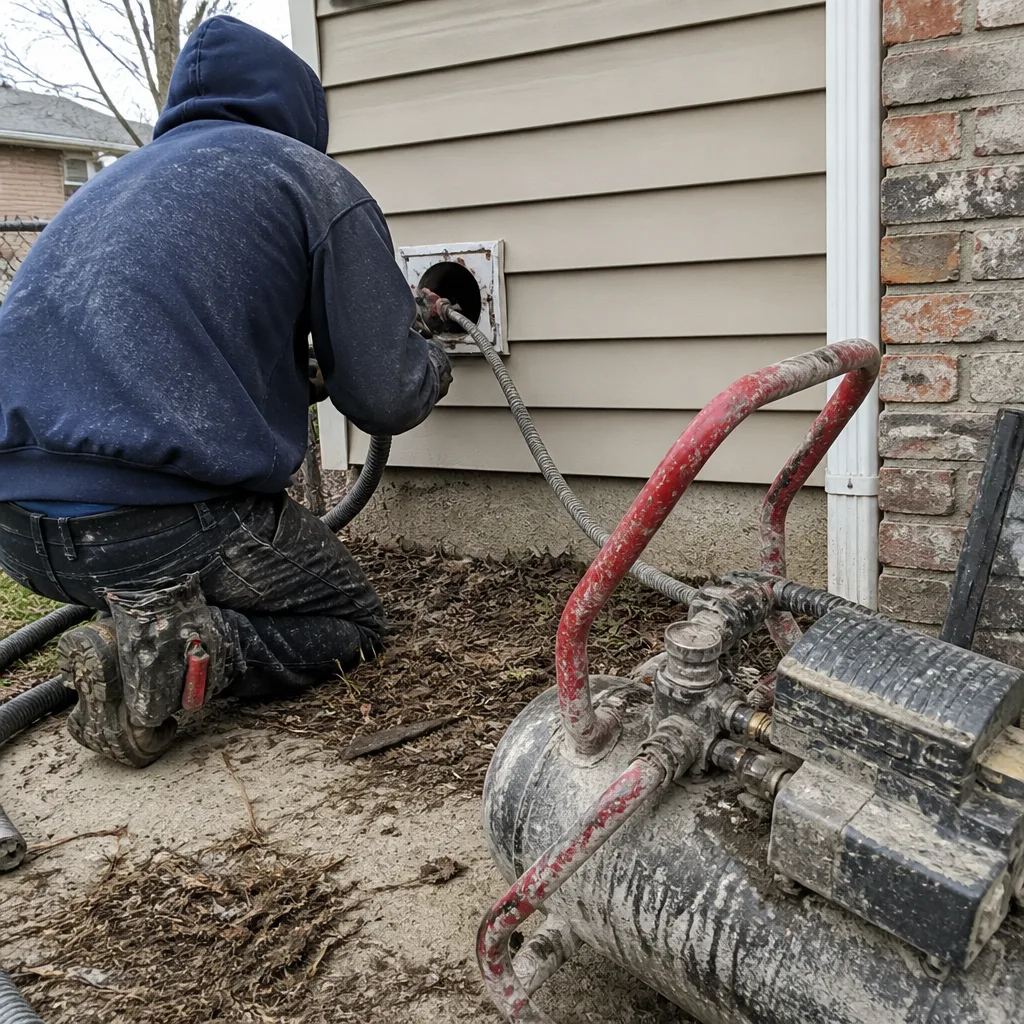 Before
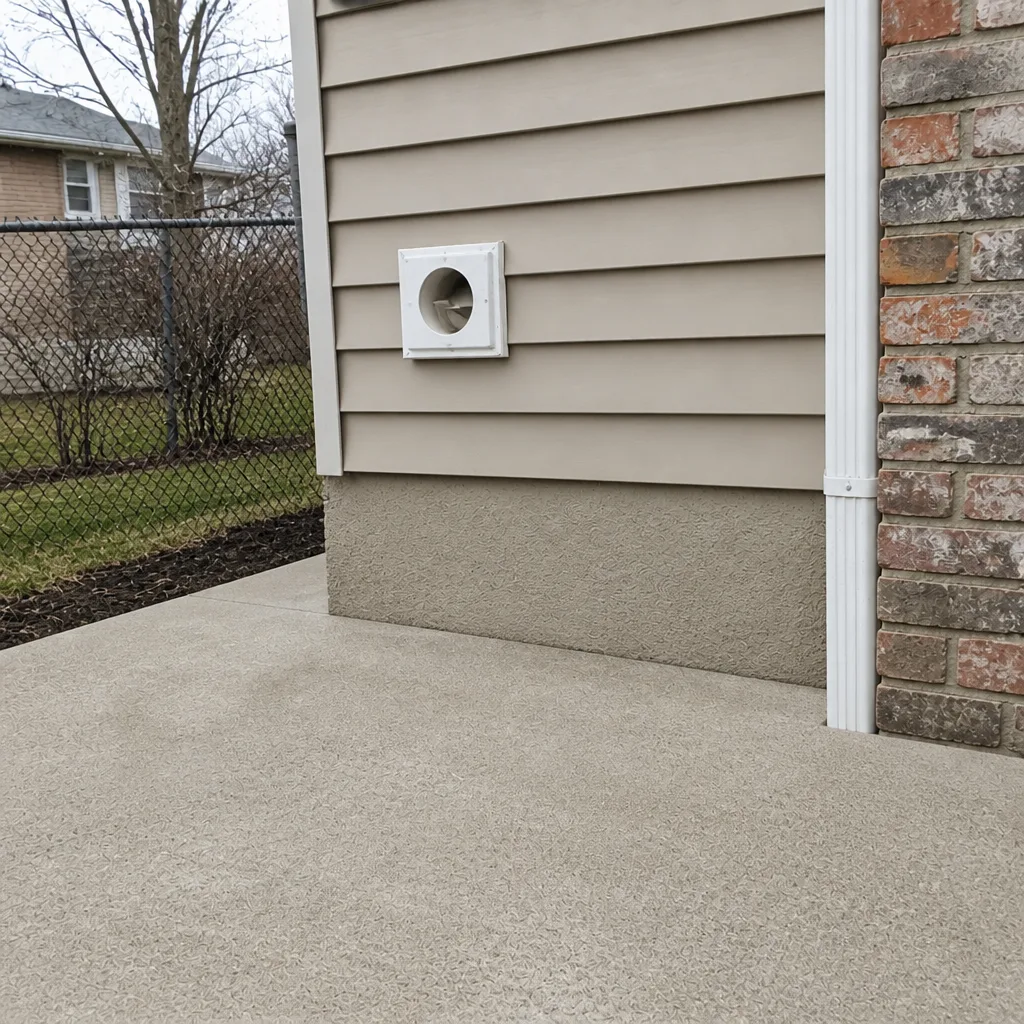 After
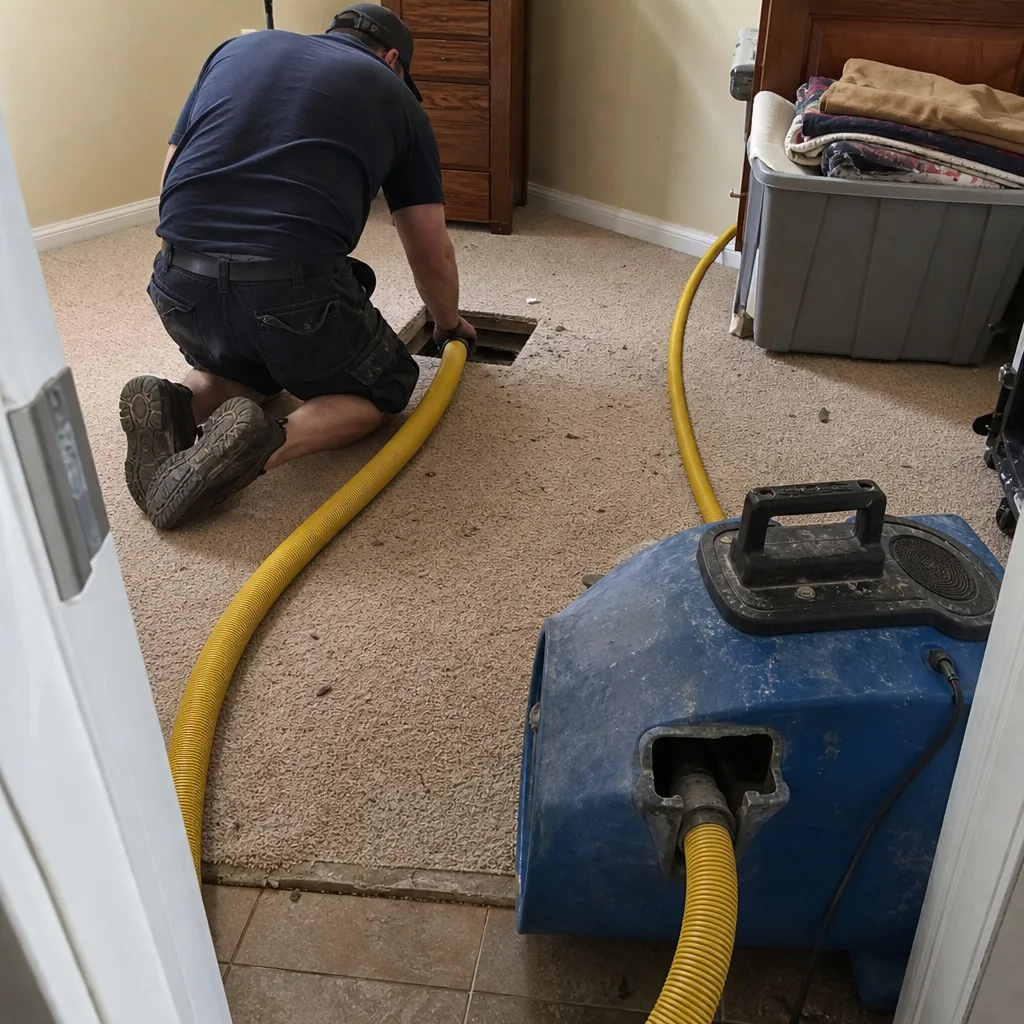 Before
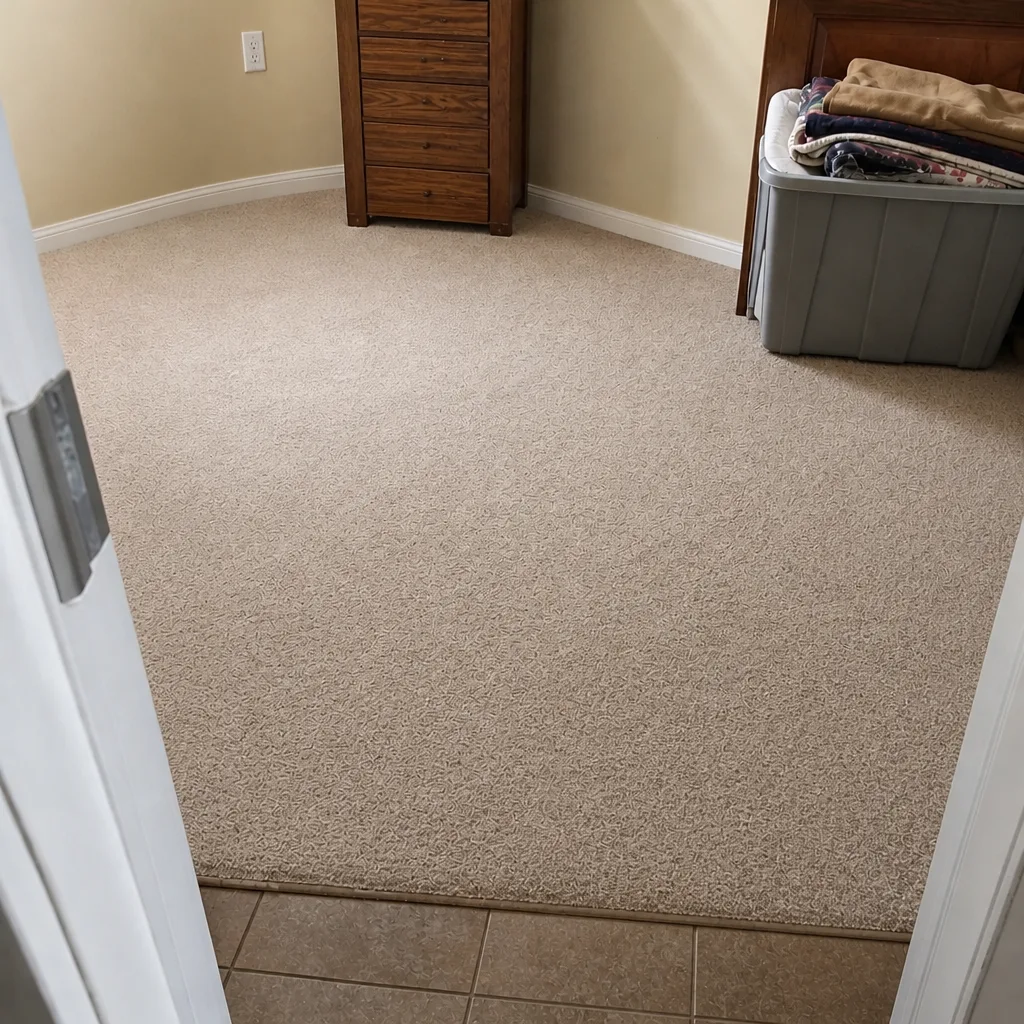 After
When to Call a Professional
Call us when condition triggers stack up faster than the calendar says they should, when a remodel or new construction is about to start, or when you can see debris at the registers and smell something stale in the airflow. Same if a smoke-heavy summer or winter inversion has passed since your last cleaning and you’re noticing allergy symptoms that get worse indoors. HEPA-grade containment through Abatement Technologies equipment is part of how the cleaning is run, so the process doesn’t spread debris into the rest of the house.
Sandy Air Duct Cleaning Pros offers free estimates in Sandy. Call (833) 858-9278 and we’ll confirm what your system actually needs. We answer 24/7. Fast dispatch from 7am to 7pm, Sunday through Friday, closed Saturday. The estimate is free, and the price is set per job by the written estimate.
Frequently Asked Questions
Most Sandy homes need professional cleaning every 4 to 7 years, but condition triggers matter more than the calendar. Pets, recent renovation, duct material, and smoke or inversion exposure should shorten the interval. Call (833) 858-9278 for a free estimate to confirm what your system actually needs.
Not always. That number came from an older industry guideline written before high-MERV filtration, modern flex duct, and climate-driven smoke seasons were common. Homes with pets, heavy renovation, or older filtration often need cleaning sooner; well-filtered, pet-free homes can go longer. Call (833) 858-9278 for an assessment based on your actual conditions.
Within a week or two of final cleanup. Drywall dust settles over several days, so waiting briefly lets the last of it drop before the system is cleaned. Change the filter the day the project closes, and book the cleaning right behind it.
Yes. Flex duct’s corrugated interior traps debris faster than smooth sheet metal, and fiberglass-lined duct needs a more careful method. Expect a shorter interval and a different cleaning process depending on what your Sandy home was built with.
The cheap ones are usually per-vent pricing with a low teaser figure that grows once the technician arrives. We work one flat price per system, agreed before work starts, with before-and-after photos of your own ducts. Call (833) 858-9278 for an exact quote – estimates are free.
Ask for before-and-after photos of your own duct runs, not stock images. We document the work so you can see what came out of the system. If a company can’t show you photos of your ducts, that’s a reason to ask questions before booking.
Check filters monthly in heavy-use seasons, inspect registers twice a year, and have the blower compartment and coil checked annually. These checkpoints tell you when condition triggers are stacking up. Call (833) 858-9278 when it’s time for the full cleaning.
The Bottom Line
Time-based cleaning intervals are a starting point, but they don’t match how contamination actually builds in a Sandy home. Pets, renovation dust, duct material, wildfire smoke, and winter inversions are the conditions that drive the real schedule. Check filters monthly, inspect registers twice a year, clean after any remodel or heavy smoke season, and let the visible signs at your registers tell you when the system is overdue. One flat price per system, agreed before work starts, with before-and-after photos so you can confirm the job was done. That’s the schedule worth following.
Written by the team at Sandy Air Duct Cleaning Pros.