
Last updated November 25, 2026
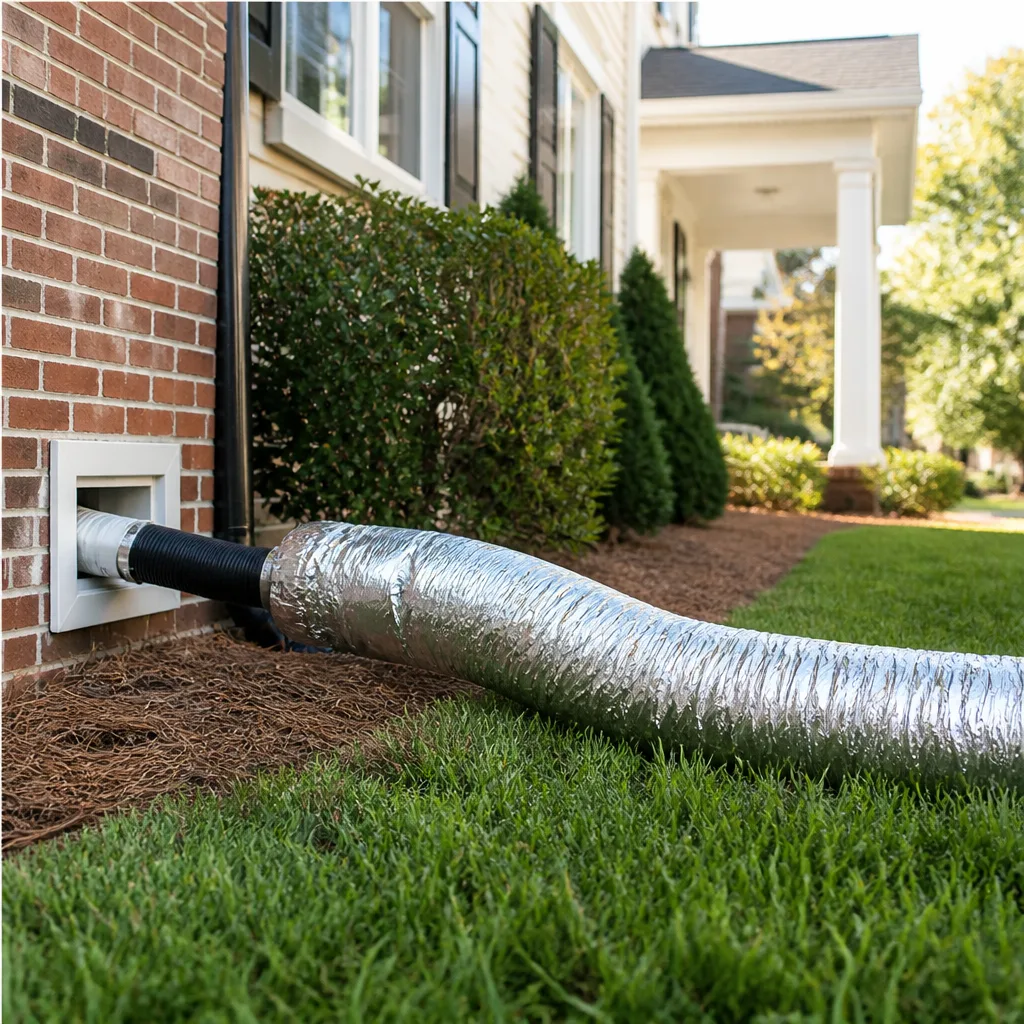 Whole-home duct cleaning
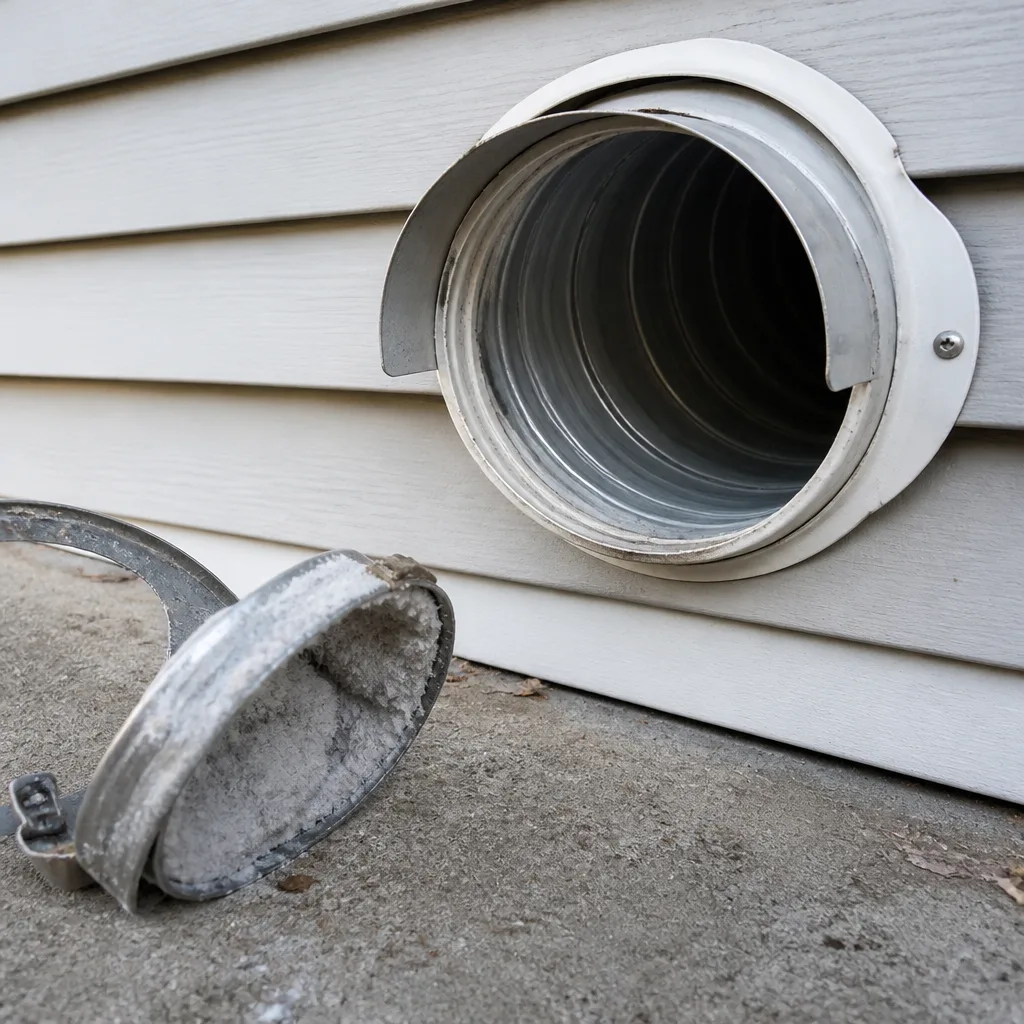 Dryer vent cleaning
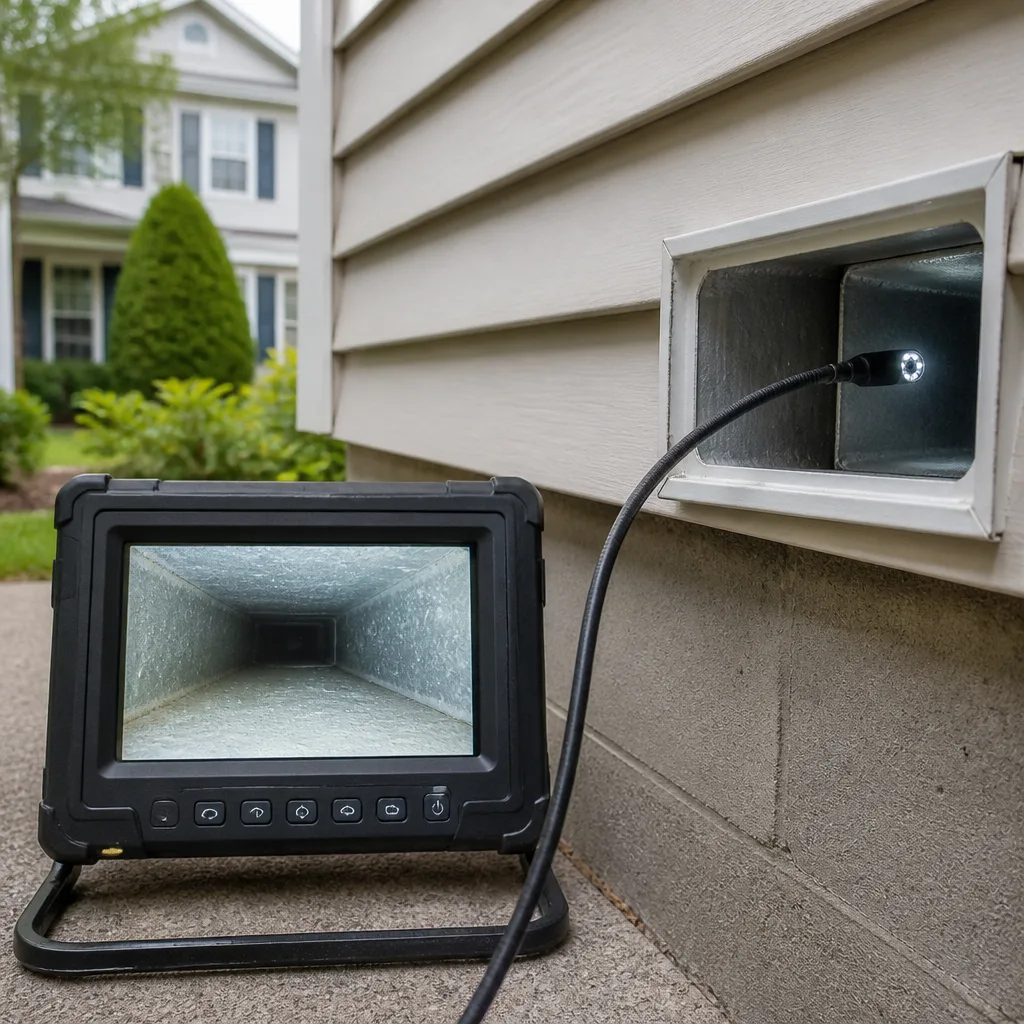 Camera inspection
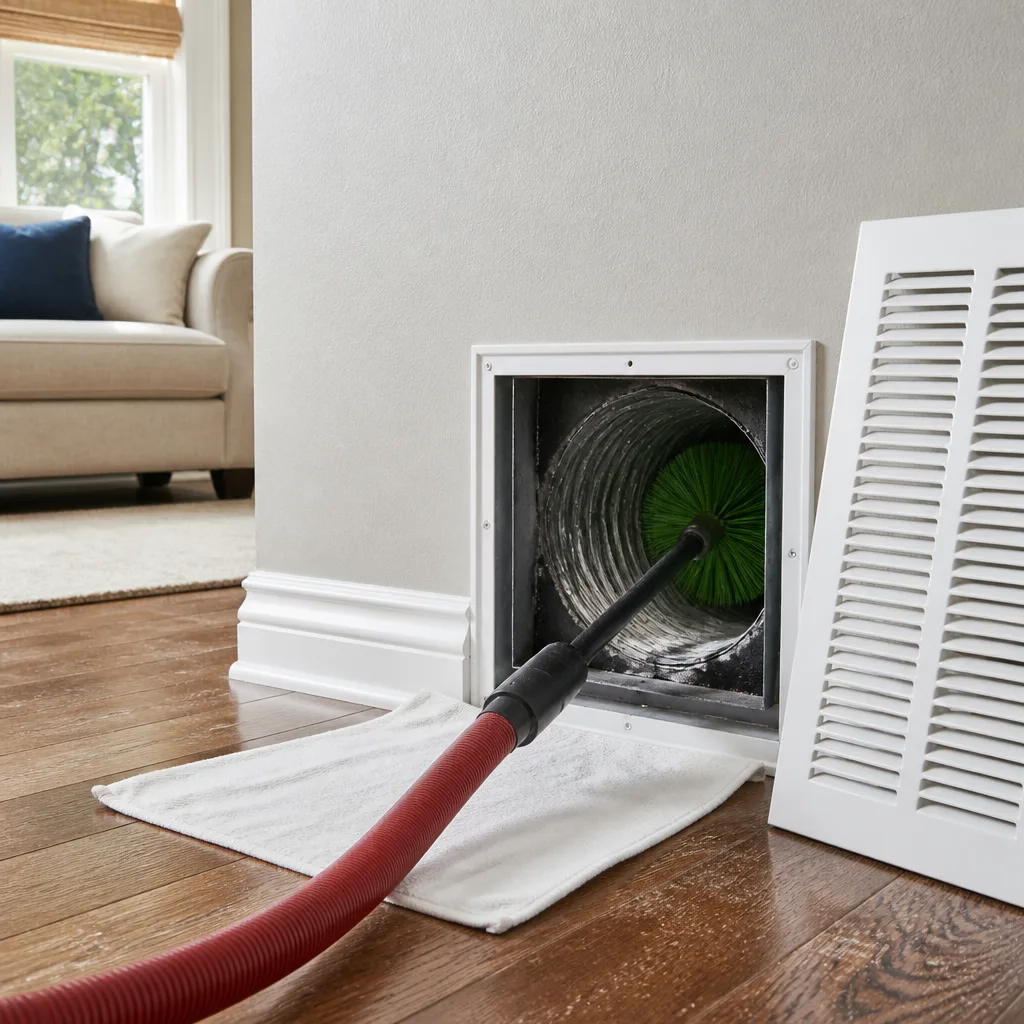 Sanitizing & deodorizing
Whole-system duct and dryer vent check with before-and-after photos - you see exactly what came out of your vents
That "$99 whole-house special" is a bait ad - the real number appears once they are in your hallway, or the "clean" is a shop-vac at the register. We photograph the inside of your ducts before and after instead.
Air Duct Cleaning Troubleshooting in Sandy: Common Problems and How to Fix Them
If wiping down the vent covers had solved the dusty-house problem, it would’ve worked the first time you tried it. It didn’t, because the vent cover isn’t where the dust lives. The debris that coats your registers within days is arriving from somewhere upstream: the trunk lines, the plenum above the furnace, the branch runs feeding each room. That distinction matters in Sandy, where forced-air heat runs hard through dry winter months and every particle the system moves has somewhere to settle. This guide maps the symptoms you’re noticing to the mechanical causes behind them, so you can tell a cleaning problem from a service-call problem before you spend anything. We’ll cover smells, weak airflow, static charge, and the checks you can do yourself in ten minutes.
Quick Answer
Most air duct problems in Sandy trace back to contamination or leakage inside the duct system itself, not at the registers. A musty smell usually means moisture somewhere in the system, often a condensate pan or damp flex duct. Weak airflow in one or two rooms is usually a restriction or a disconnected run, while weak airflow everywhere points to the blower or a static pressure problem. Cleaning fixes contamination; repair and sealing fixes leakage; the blower and pressure side needs an HVAC technician. A professional assessment tells you which one you’re dealing with.
Styles & brands we work with
- Whole-home duct cleaning
- Dryer vent cleaning
- Camera inspection
- Sanitizing & deodorizing
Table of Contents
- Symptom-to-Source Map: What Each Problem Actually Points To
- Why Does the House Smell Musty When the Heat Kicks On?
- Weak Airflow: Restriction, Blower, or Static Pressure?
- Static Charge and Utah’s Dry Air: Why Dust Sticks Here
- What a Negative-Pressure Test Tells a Technician
- Leaky Ducts and What Sealing Actually Fixes
- The Dryer Vent Problem People Mistake for a Duct Problem
- The Full Troubleshooting Checklist
Symptom-to-Source Map: What Each Problem Actually Points To
Start here before you call anyone. The single most useful thing you can do is match what you’re experiencing to where in the system it’s coming from. Homeowners in Sandy often arrive at the wrong conclusion because two very different problems produce the same visible result.
Here’s the mapping we use when we assess a system, condensed into a table you can read in a minute:
- Dust returning to surfaces within days of cleaning → contamination in trunk lines and plenum, not the registers
- Musty or earthy smell at startup → moisture: condensate pan, wet insulation, or damp flex duct
- One or two rooms weak, others fine → branch restriction, crushed flex run, or a disconnected joint
- Every room weak → blower motor, dirty evaporator coil, or high static pressure from an undersized return
- Whistling or rushing noise at a register → pressure imbalance or a partly closed damper
- Allergy symptoms worse in the rooms you use most → localized debris load or a leak pulling attic or crawlspace air in
- Higher energy bills with no other change → leakage or restriction forcing the system to run longer
The pattern matters more than any single symptom. A musty smell plus weak airflow in one zone points somewhere different than a musty smell with strong airflow everywhere. When we look at a system in Sandy, we’re building that same map before touching a tool. Our technicians have up to 15 years of experience reading these patterns, and the diagnosis usually takes less time than the cleaning itself.
One thing worth saying plainly: the vent cover is a grille, not a filter. Wiping it removes what landed, not what’s still arriving. If you find yourself cleaning the same registers every few weeks, the source is upstream and no amount of surface wiping will reach it.
Why Does the House Smell Musty When the Heat Kicks On?
A musty smell at startup almost always means moisture somewhere in the system. Surface dust doesn’t smell. Wet dust does. When the blower pushes air across damp debris, insulation, or a standing condensate pan, you get that earthy, closed-in smell within seconds of the fan engaging.
In Sandy, the smell often shows up at the first cold snap, when a system that sat idle through a dry summer starts moving air again. There are three common sources we check:
- The condensate pan and drain line. A pan that isn’t draining fully holds standing water through the cooling season. By heating season it’s a biological layer the blower pushes past every cycle. This is the most common culprit and the easiest to confirm.
- Damp flex duct insulation. Flex runs in unconditioned attic space can collect condensation on the outer jacket when temperature differences are sharp. If the inner liner is wet, the smell comes from inside the duct.
- Wet debris in the plenum. A plenum that’s drawn in humid air or had a slow leak nearby can hold debris that stayed damp. This one usually needs cleaning plus a look at why the moisture got there.
Here’s the important part: cleaning alone won’t fix a moisture problem. If you clean a duct system and the condensate pan is still standing full, the smell returns. That’s why we treat smell as a diagnostic symptom rather than a cleaning job. We find the moisture source, then clean, then – where it’s warranted – apply sanitizing with Guardsman-backed protocols to address what grew in the damp conditions.
What you can check yourself: look at the condensate pan under the indoor unit. If there’s standing water or a visible film, that’s your answer. Don’t open the unit itself. Electrical components and the coil are inside, and that’s a technician’s work.
Weak Airflow: Restriction, Blower, or Static Pressure?
Weak airflow is the symptom homeowners misdiagnose most often, and the misdiagnosis costs money in both directions. Cleaning a system that has a failing blower won’t help. Replacing a blower in a system choked with debris won’t help either. The room-by-room pattern tells you which side you’re on.
If one or two rooms are weak and the rest are strong, you’re looking at a branch-level restriction. The usual causes in Sandy homes:
- A flex run that got crushed or kinked during a remodel or attic work
- A joint that separated, dumping conditioned air into the attic instead of the room
- A damper that’s partly closed and forgotten
- Heavy debris load in that one branch
If every room is weak, the problem is upstream of the branches. That means the blower motor, a dirty evaporator coil, a clogged filter, or high static pressure. Static pressure is the resistance the blower pushes against. An undersized return duct, a filter that’s too restrictive for the system, or a coil packed with debris all raise it. When static pressure climbs, the blower moves less air no matter how clean the branches are.
This is where the distinction between cleaning and a service call becomes practical. Debris in the ducts and coil is our work. A blower motor that’s drawing high amps, a failing capacitor, or a control board issue is HVAC repair. We’ll tell you which one you have rather than clean a system that needs a motor.
Your own check: replace the filter first, before anything else. A filter that’s been in too long is the cheapest cause of weak airflow there is. Then walk the house and note which rooms are affected. That pattern is genuinely useful information for whoever assesses the system.
Static Charge and Utah’s Dry Air: Why Dust Sticks Here
Sandy sits in a high-altitude, dry climate. Winter indoor humidity in most homes here runs low, and forced-air heat drops it further. That combination does something specific to duct systems: it builds static charge on duct surfaces, and charged surfaces hold onto particles that would otherwise stay suspended and travel to the filter.
The mechanism is straightforward. Dry air is a poor conductor, so the friction of moving air across duct walls, plus the constant contact of dust particles with metal and flex liner, generates static. Inside a humid house, that charge bleeds off. Inside a Sandy house in January, it accumulates. The result is particulate adhesion: fine dust bonds to the duct wall instead of staying airborne. Over a few seasons, that bonded layer thickens, and the airflow across it keeps lifting particles into the airstream.
This is why the dusty-house complaint is so common here and why surface cleaning at the registers does nothing. The bond is mechanical and electrostatic, not loose. A vacuum waved near a register won’t break it. Professional-grade equipment with mechanical agitation does, which is part of why we use Rotobrush and Nikro systems built for the job rather than a shop vac with a long hose.
Two practical implications for Sandy homeowners:
- Filtration is your first line. A quality filter rated correctly for your system’s static pressure catches particles before they settle. We work with Honeywell and Aprilaire filtration products because the ratings are honest and the fit is right, not because a box says “allergen” on it.
- Cleaning intervals run shorter here. A dry, dusty climate loads a duct system faster than a humid one. If you’re sweeping up dust weekly and the filter is fresh, the system is due for assessment.
We can’t give you a percentage improvement from a filter upgrade, and anyone who does is guessing. What we can tell you is that static-charged adhesion is a real, measurable phenomenon and it’s worse in dry climates than humid ones. That’s a physical fact, not a sales line.
What a Negative-Pressure Test Tells a Technician
A visual inspection shows you the inside of a duct. It does not show you whether the system is leaking or how much air it’s losing. That’s what a negative-pressure test answers.
Here’s how it works in plain terms. A technician seals the duct system at the registers and connects a calibrated fan and pressure gauge to the ductwork. The fan depressurizes the system to a set pressure, and the gauge measures how much air has to be pulled to hold that pressure. A tight system needs very little. A leaky system needs a lot. The number tells you the total leakage area without opening a single wall.
Why this matters for diagnosis:
- It separates contamination from leakage. Two houses can have identical dust complaints and completely different causes. One needs cleaning. The other has ducts pulling attic or crawlspace air in through gaps and needs sealing first.
- It quantifies the problem. “Your ducts leak” is an opinion. A measured leakage figure is a fact you can act on and re-test after sealing.
- It justifies the repair. Duct sealing changes HVAC efficiency in ways you can verify. Without a before-and-after measurement, you’re taking someone’s word for it.
This is where duct repair and sealing separates from cleaning-only work. A crew that only cleans can tell you the ducts are dirty. It can’t tell you whether they’re leaking, and if they are leaking, cleaning them is a temporary fix because the leak will pull new contamination in. We repair what we find, and the negative-pressure test is how we find it.
During cleaning, we integrate Abatement Technologies filtration for containment. That keeps debris from migrating through the house while the work is happening and gives a cleaner result than a system without it. Containment isn’t glamorous, but it’s the difference between a professional job and a mess.
Leaky Ducts and What Sealing Actually Fixes
Leaky ducts create two problems at once, and homeowners usually only notice one of them. The obvious problem is lost conditioned air: heated air escaping into the attic before it reaches a room. The less obvious problem is what gets pulled in. Duct systems in Sandy homes typically run through unconditioned attic space, and a return-side leak under negative pressure draws attic air, insulation fibers, and whatever else is up there straight into the supply stream.
That second problem explains a symptom that cleaning doesn’t fix. If allergy symptoms are worse in specific rooms, or if dust returns fast after a cleaning, a leak pulling in attic air is a strong candidate. You’re not seeing old dust. You’re seeing new dust arriving through a gap.
What sealing addresses:
- Joint and seam leaks at connections between trunk and branch runs, which are the most common failure points
- Disconnected flex runs, where a branch has separated and is dumping air into the attic
- Register boot gaps, where the duct meets the floor or ceiling opening
- Plenum seams, where the ductwork meets the air handler
Sealing improves HVAC efficiency because the system stops paying for air it never delivers. It improves air quality because the system stops pulling in air it was never meant to move. Both outcomes come from the same fix, which is why we do cleaning and sealing in the same visit when the assessment calls for it. A pure-cleaning crew hands you a cleaned system with the same leaks it started with.
One caution on sealing: not every gap should be sealed without thought. Combustion appliances and gas-fired equipment have venting requirements, and sealing near them needs to respect those. That’s a code and safety matter, so it’s a trained professional’s call, not a weekend project.
The Dryer Vent Problem People Mistake for a Duct Problem
Not every airflow complaint is an HVAC problem. A dryer that takes two cycles to dry a load, a laundry room that feels humid, or lint appearing around the dryer are all signs of a clogged dryer vent, and they get mistaken for duct issues more often than you’d expect. The two systems share a wall and nothing else, but a homeowner noticing “the house feels damp and air moves poorly” can end up looking in the wrong place.
Dryer vent clogging is also the one item on this list with a genuine safety dimension. Lint is highly flammable, and a vent packed with it is a fire risk, not just an efficiency problem. That’s why dryer vent cleaning sits in our service lineup alongside the duct work. It’s the same standard of care applied to a different part of the house.
Your own check: pull the dryer out and disconnect the vent hose at the back. Look inside the hose and the wall connection. A light film of lint is normal. A dense mat or a blocked opening is not. Reconnect it properly before running the dryer. And if the run is long, or the dryer is in a tight closet, don’t assume a short hose is the whole story. The run inside the wall matters more.
The Full Troubleshooting Checklist
Here’s the sequence we’d suggest working through before you spend money on anything. It moves from free checks to professional assessment, and each step narrows the diagnosis.
- Replace the filter. Note the date. A dirty filter is the cheapest cause of weak airflow and the easiest to rule out.
- Walk the house and map the symptom. Which rooms are weak? Where does the smell show up? Is the dust everywhere or concentrated? Write it down.
- Check the condensate pan under the indoor unit for standing water or film. If there’s water, stop – that’s a moisture source and the smell won’t clear until it’s addressed.
- Look at the registers. Loose grilles, visible gaps at the boot, or a register that whistles all point to pressure or leakage issues rather than dirt.
- Check the dryer vent if your complaint includes humidity or slow drying. It’s a separate system and a separate fix.
- Note the energy bills. A jump with no other change points to leakage or restriction, both of which a professional can measure.
- Call for an assessment if the filter is fresh and the symptoms persist. That’s the point where a negative-pressure test and a proper visual inspection beat anything you can do from the outside.
Throughout all of this, the goal is diagnosis before spending. A musty smell is not a cleaning job until the moisture source is found. Weak airflow is not a cleaning job until you know whether it’s a branch restriction or a blower problem. Getting that order right is the whole point of this guide.
Common Mistakes to Avoid
- Cleaning the registers and calling it duct cleaning. The grille is the last thing the air touches. If you’ve wiped every vent in the house and the dust is back in two weeks, the source is in the trunk lines and no surface work reaches it.
- Cleaning before diagnosing the moisture. In Sandy, a musty smell almost always has a water source behind it. Cleaning a system with a standing condensate pan just resets the clock on the same smell.
- Assuming every airflow problem is dirt. A crushed flex run, a separated joint, or a blower drawing high amps all produce weak airflow and none of them are fixed by cleaning. The room-by-room pattern tells you which one you have.
- Skipping the negative-pressure test. A cleaned system with leaking ducts pulls new contamination in through the gaps. Without measuring leakage, you can’t tell whether the cleaning actually solved the problem.
- Buying the cheapest filter on the shelf in bulk. A filter that’s too restrictive for your system raises static pressure and reduces airflow. The right rating matters more than the price per filter.
- Treating a clogged dryer vent as an HVAC issue. Slow drying and laundry-room humidity are dryer vent symptoms. They need their own assessment and their own fix.
- Assuming a dry climate means ducts stay clean. Utah’s low humidity actually accelerates static-charged particulate adhesion. Dry air makes dust stick, which is the opposite of what most people expect.
See the difference
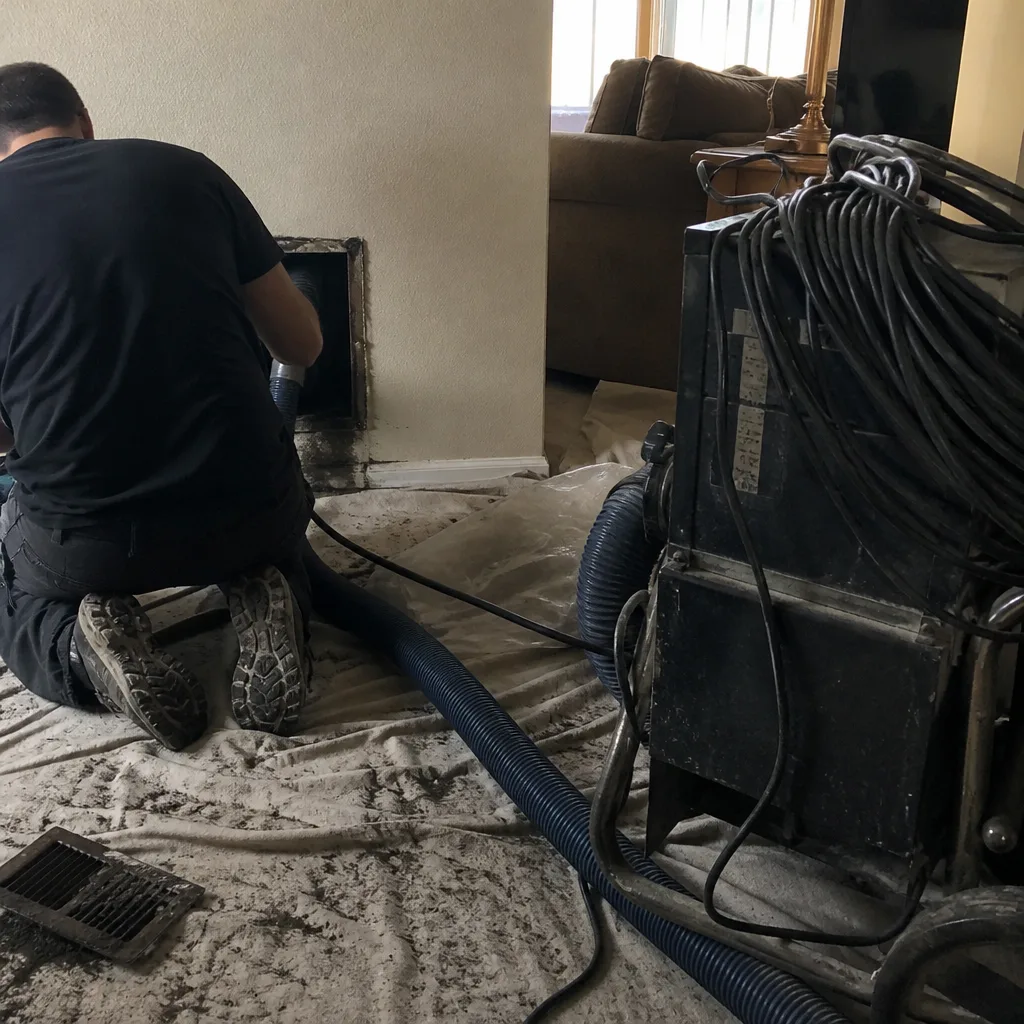 Before
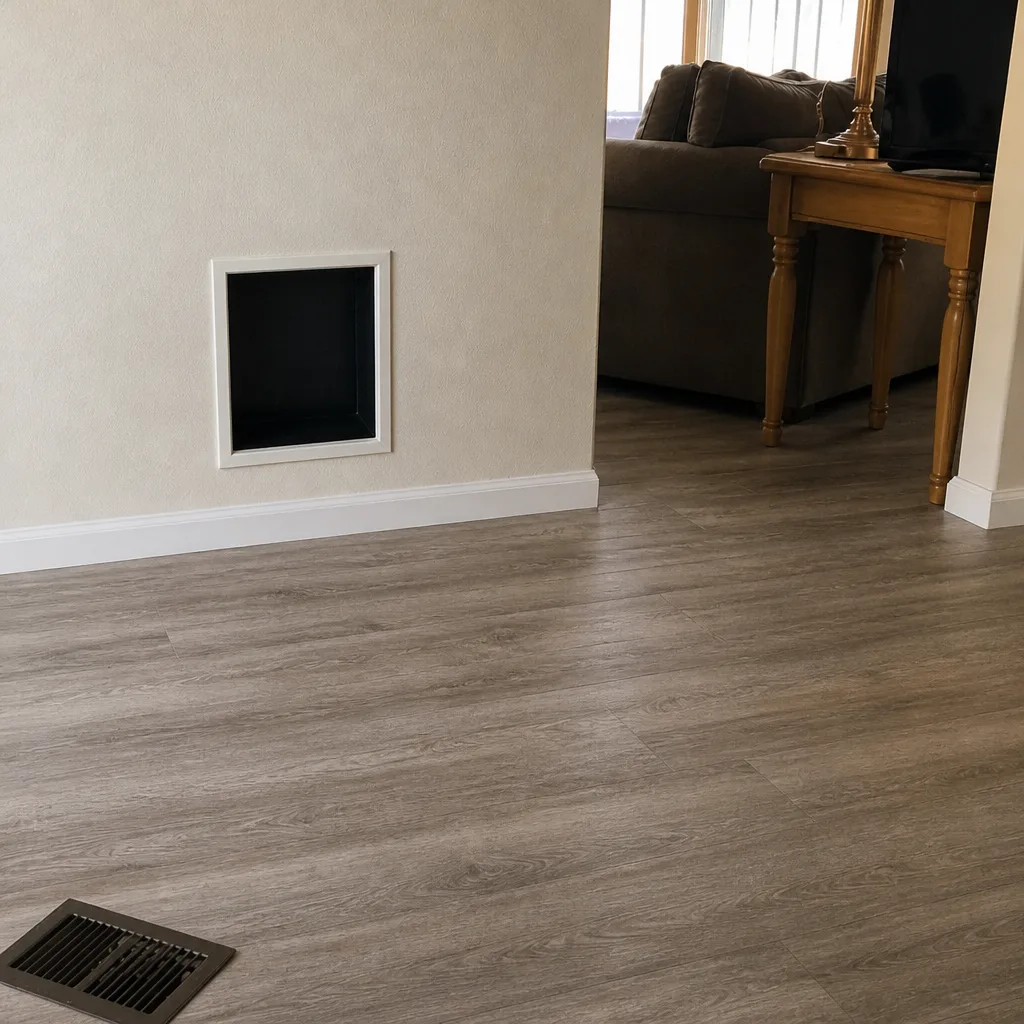 After
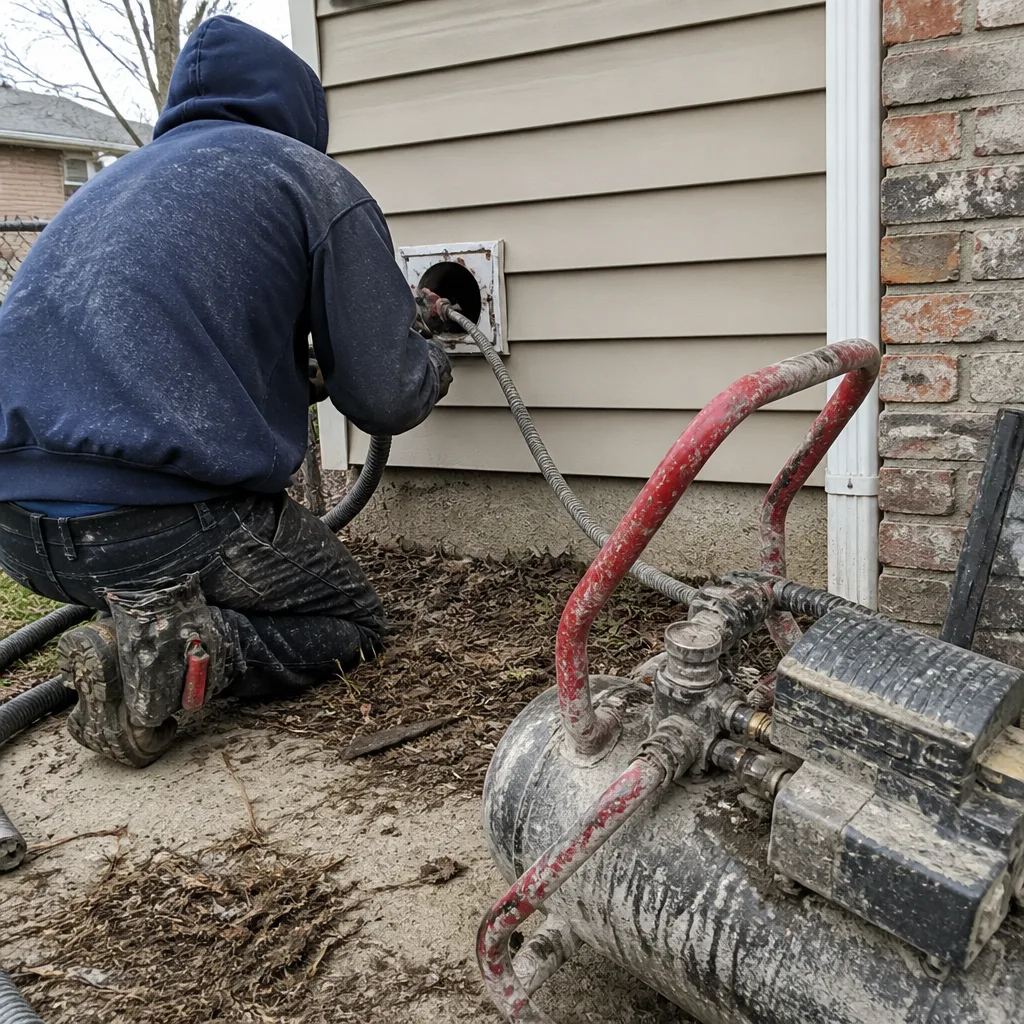 Before
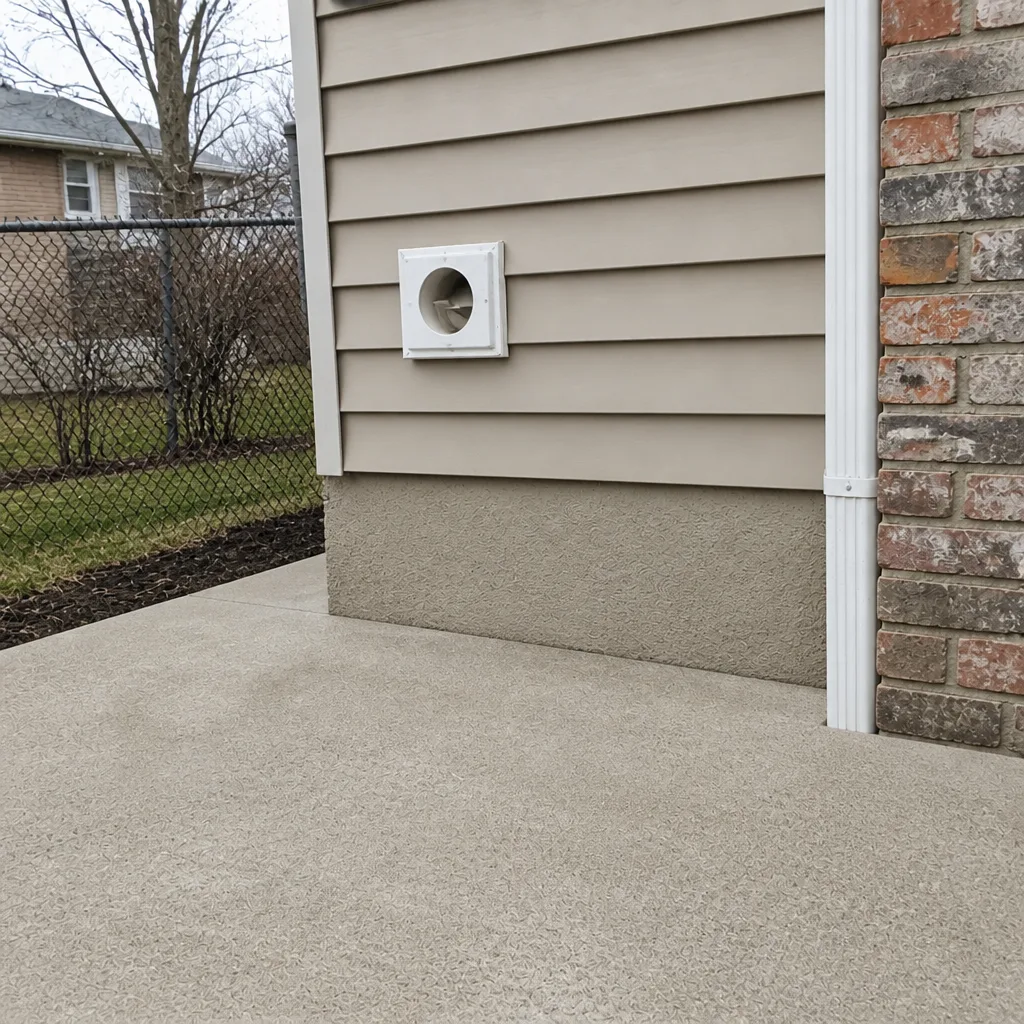 After
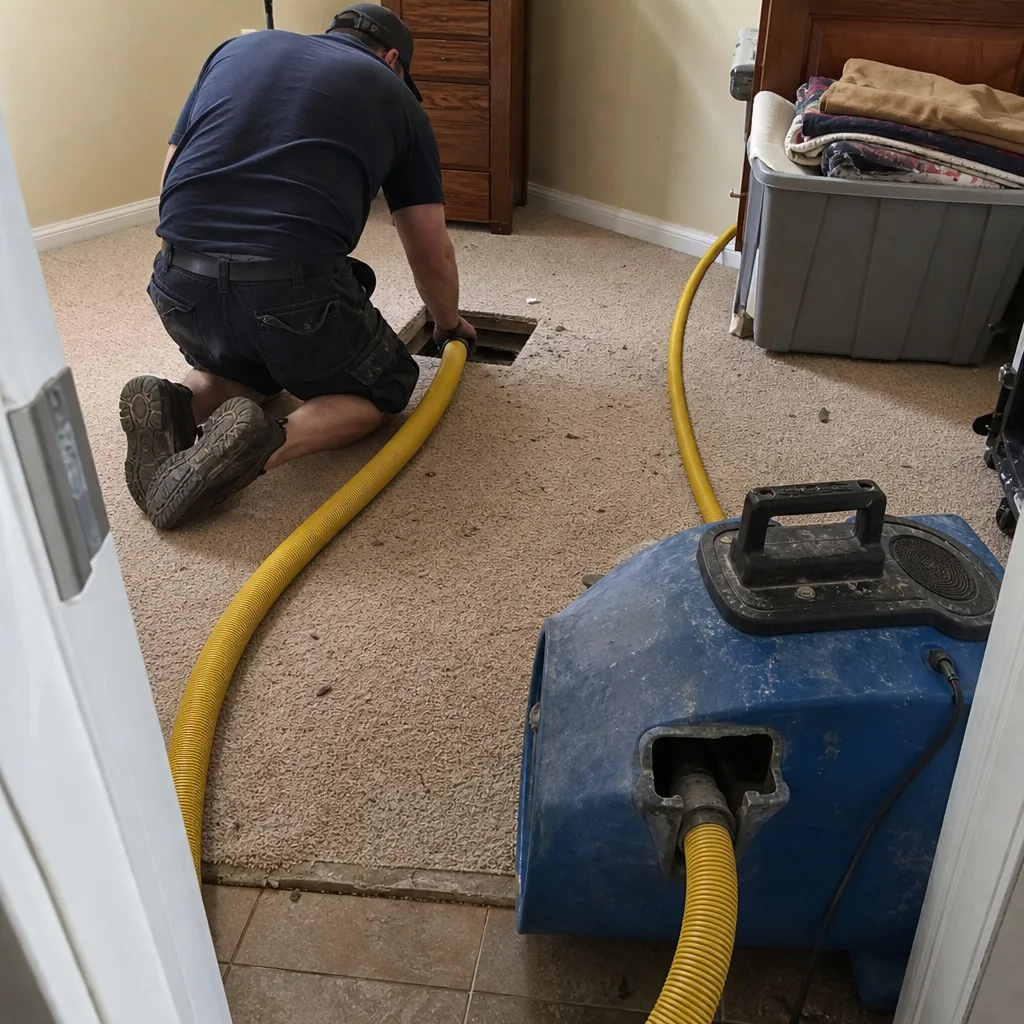 Before
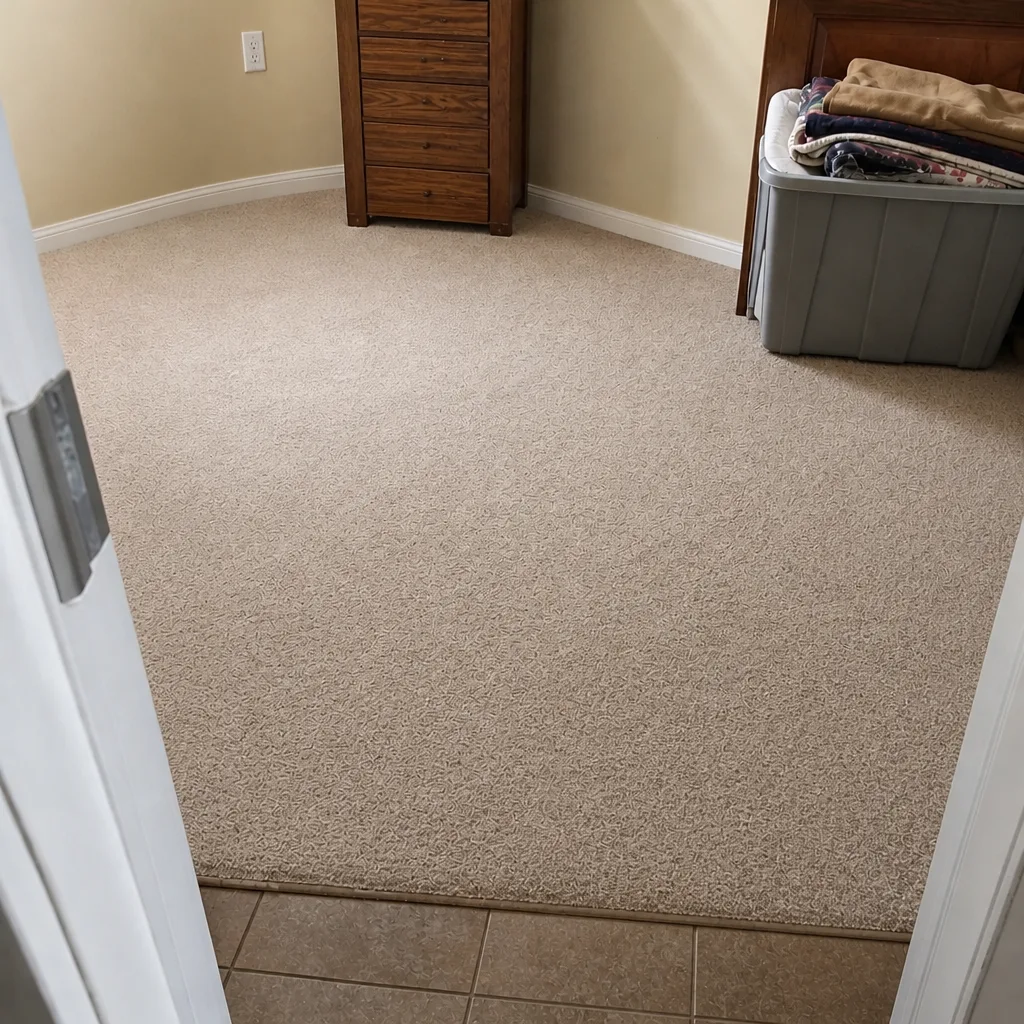 After
When to Call a Professional
Some problems are worth a ten-minute check. Others need equipment and training you can’t replicate with a shop vac and a flashlight. Call a professional if any of these apply:
You’ve replaced the filter and airflow is still weak across multiple rooms. The house smells musty every time the heat or air kicks on. Dust returns to surfaces within days of wiping them down. You can see gaps at registers or notice air moving in the attic. You or someone in the house has allergy symptoms that worsen in specific rooms. Or you simply want to know whether the system needs cleaning at all before you spend money on it.
The last one matters most. A proper assessment tells you whether you have a cleaning problem, a leakage problem, or an HVAC service problem, and those three take different fixes. Sandy Air Duct Cleaning Pros offers free estimates in Sandy. Call (833) 858-9278. We answer 24/7. Fast dispatch from 7am to 7pm, Sunday through Friday.
Our technicians have up to 15 years of experience, and we use professional-grade equipment from Rotobrush, Nikro, and Abatement Technologies on every job, the same systems restoration-grade crews specify. We clean, we sanitize, and we repair what we find.
Frequently Asked Questions
Visible dust returning to surfaces within days of cleaning, a musty smell at system startup, or allergy symptoms that worsen in specific rooms are the three strongest signs. In Sandy’s dry climate, static-charged dust bonds to duct walls faster than in humid areas, so the dusty-house pattern shows up here more often. If the filter is fresh and the symptoms persist, an assessment will tell you whether it’s contamination, leakage, or an HVAC issue. Call (833) 858-9278 for a free estimate.
Moisture somewhere in the system is the answer, most often a condensate pan that isn’t draining or a damp flex duct run. Surface dust doesn’t smell when it dries out; wet debris and insulation do. Cleaning alone won’t fix it if the moisture source is still there, so a proper assessment looks for the water first and cleans after. Call (833) 858-9278 to have the system checked.
Yes, but a branch restriction is more likely than general dirt in that case. A crushed flex run, a separated joint, or a partly closed damper all cut airflow to a single room while the rest of the house stays strong. Weak airflow everywhere points to the blower, coil, or static pressure instead. The room-by-room pattern is the fastest way to tell which problem you have. Call (833) 858-9278 if you want it assessed.
A negative-pressure test measures how much air has to be pulled out of a sealed duct system to hold a set pressure, which tells a technician the total leakage without opening walls. It separates contamination from leakage, which are two different problems with two different fixes. It also gives you a before-and-after number to verify sealing worked. Call (833) 858-9278 to schedule one.
Because the vents aren’t where the dust is coming from. The debris that shows up at your registers is arriving from the trunk lines and plenum, and it sticks harder in Sandy’s dry, static-charged air. Wiping the grille removes what landed, not what’s still flowing. Cleaning the full system from the vent to the unit is what stops the cycle. Call (833) 858-9278 for a free estimate.
No, they’re separate systems that produce overlapping symptoms. Slow drying, a humid laundry room, and lint around the dryer are dryer vent signs, not HVAC signs. A packed dryer vent is also a fire risk because lint is flammable, which is why dryer vent cleaning gets its own assessment. Call (833) 858-9278 if you’re not sure which system is causing the issue.
The Bottom Line
The dust on your registers is a symptom, not the problem. It’s arriving from the trunk lines, the plenum, and the branch runs, and in Sandy’s dry, high-altitude climate it’s bonding to duct surfaces with static charge that makes it stick harder than it would in a humid house. Work the checklist before you spend: fresh filter, mapped symptoms, condensate pan, dryer vent, energy bills. Then get an assessment that includes a negative-pressure test, because cleaning a leaking system just resets the clock. Cleaning fixes contamination. Repair and sealing fix leakage. The blower and static pressure side belongs to an HVAC technician. Knowing which one you’re facing is the whole game, and it’s the difference between solving the problem and paying twice.
When you’re ready to find out what’s actually going on inside the system, we can help. Whether it’s air duct cleaning for a system that’s simply loaded, HVAC cleaning that reaches the coil and blower housing, or a full repair-and-seal job, the assessment comes first and the written estimate sets the price. One flat price per system, agreed before work starts, with before-and-after photos of your own ducts so you can see what changed. Call (833) 858-9278. We answer 24/7. Fast dispatch from 7am to 7pm, Sunday through Friday. Free estimates for homeowners and property managers across Sandy.
Written by the team at Sandy Air Duct Cleaning Pros.