
Last updated November 25, 2026
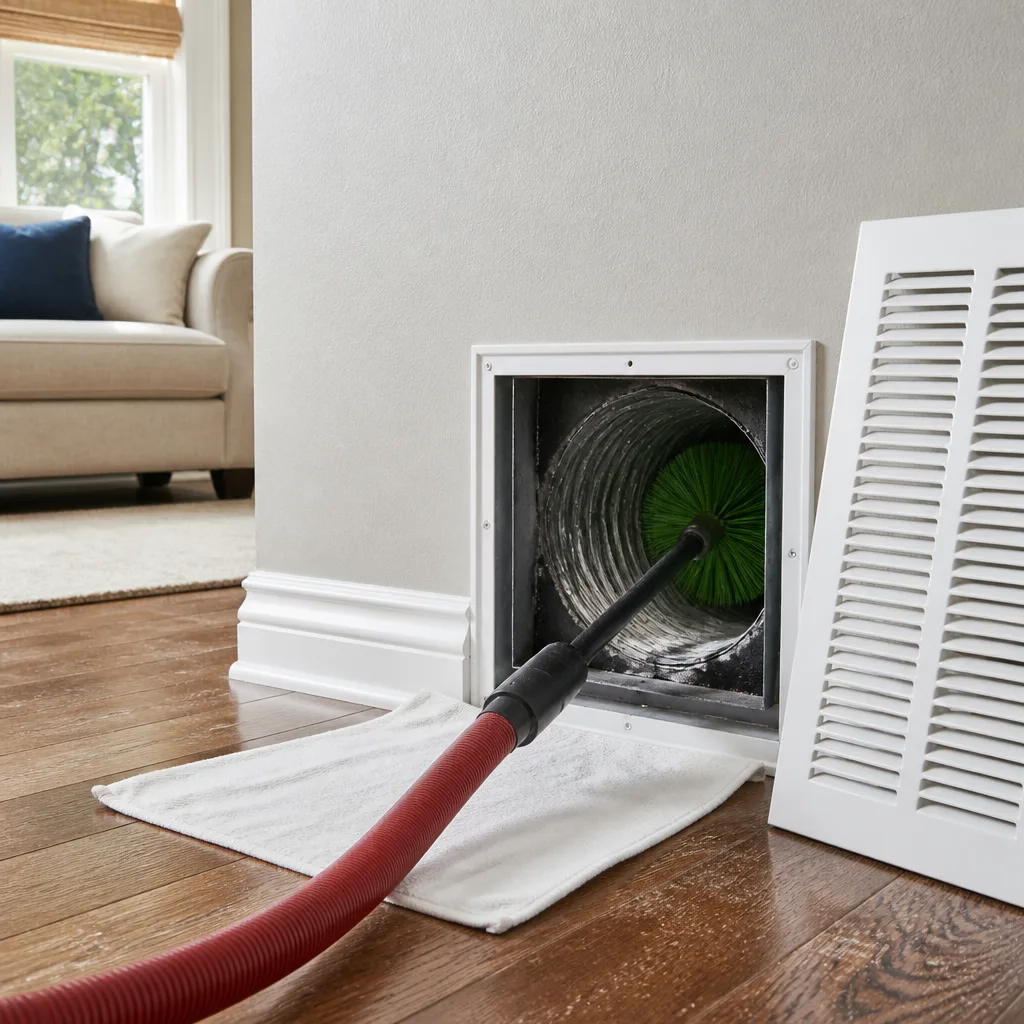
 Whole-home duct cleaning
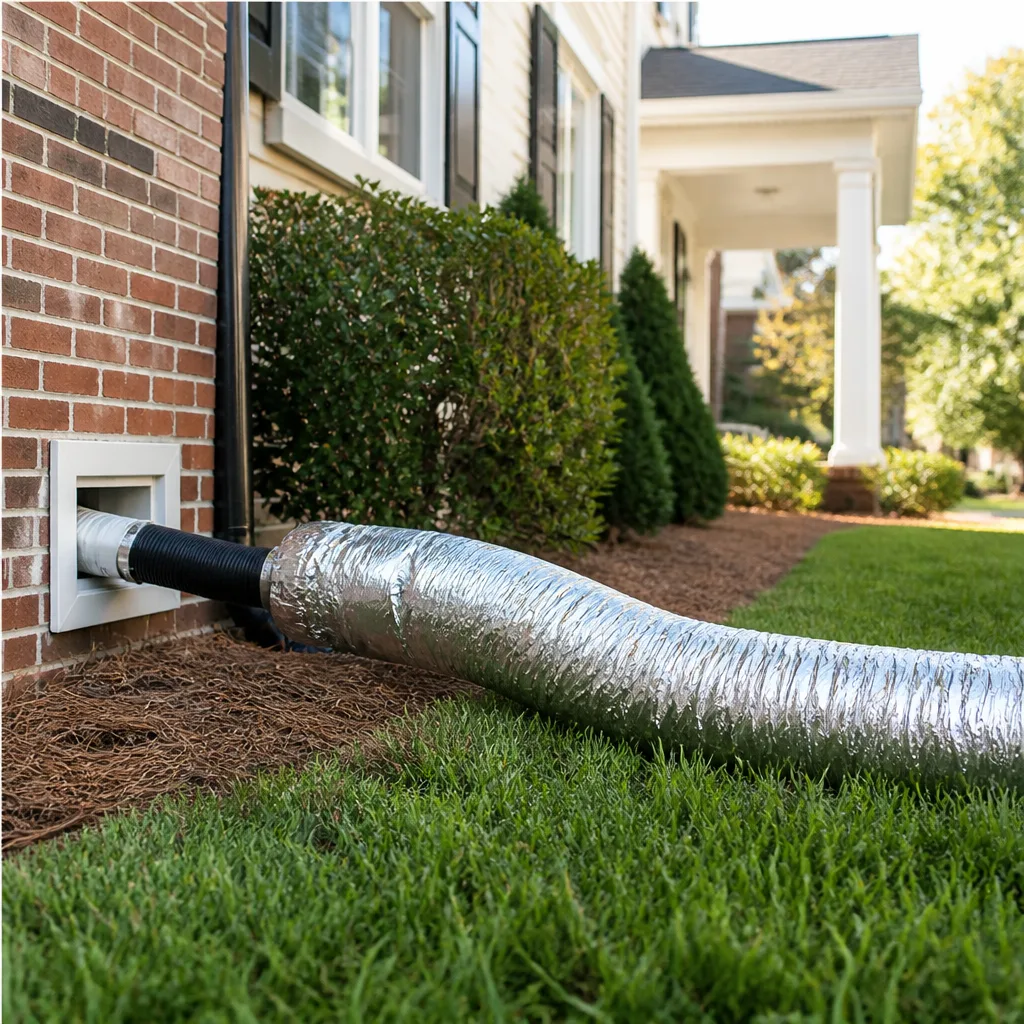
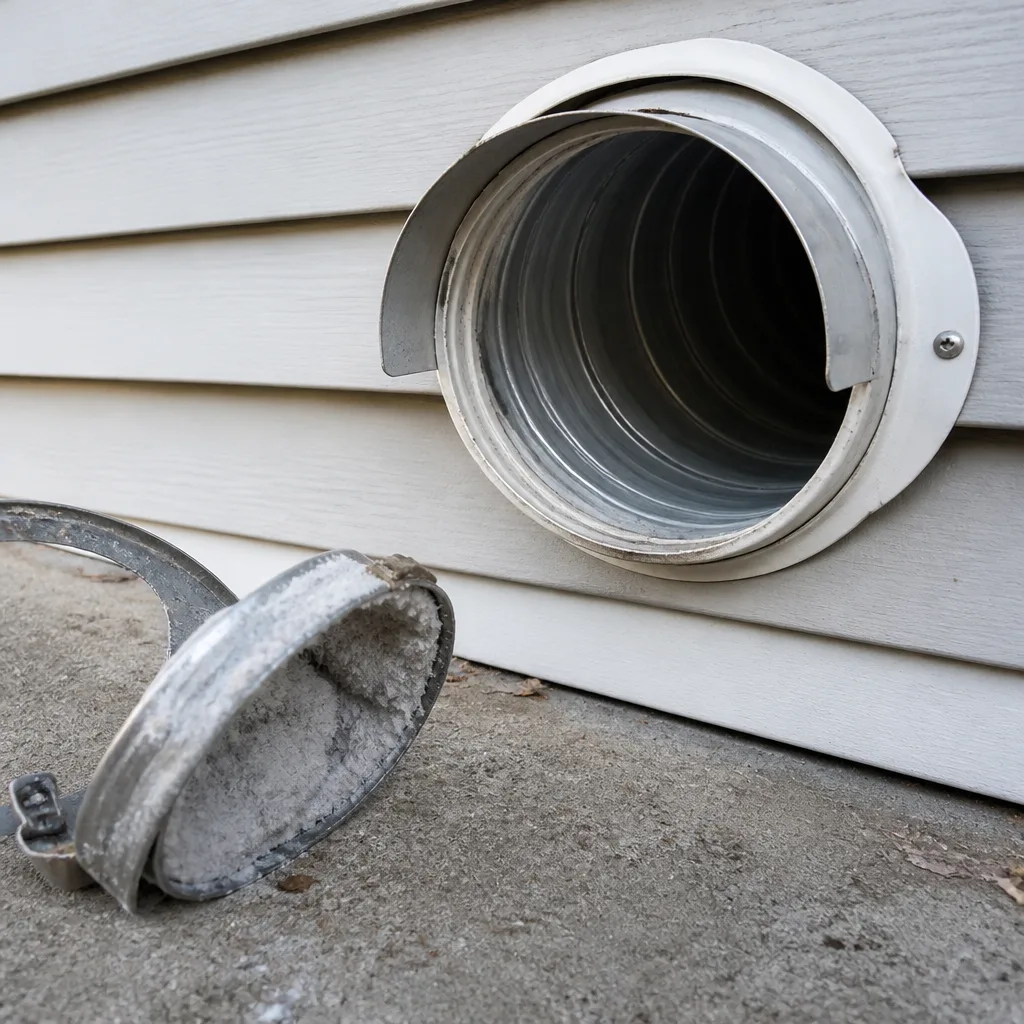 Dryer vent cleaning
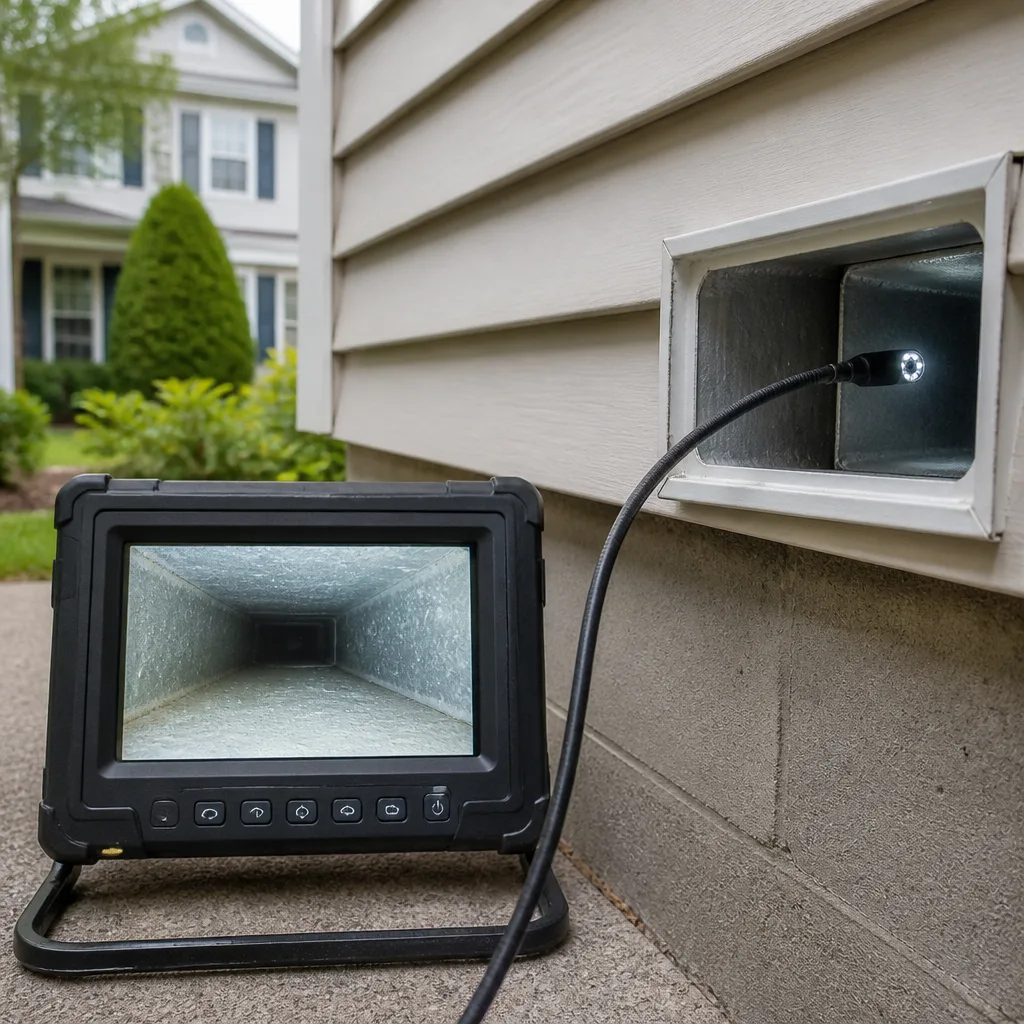 Camera inspection
 Sanitizing & deodorizing
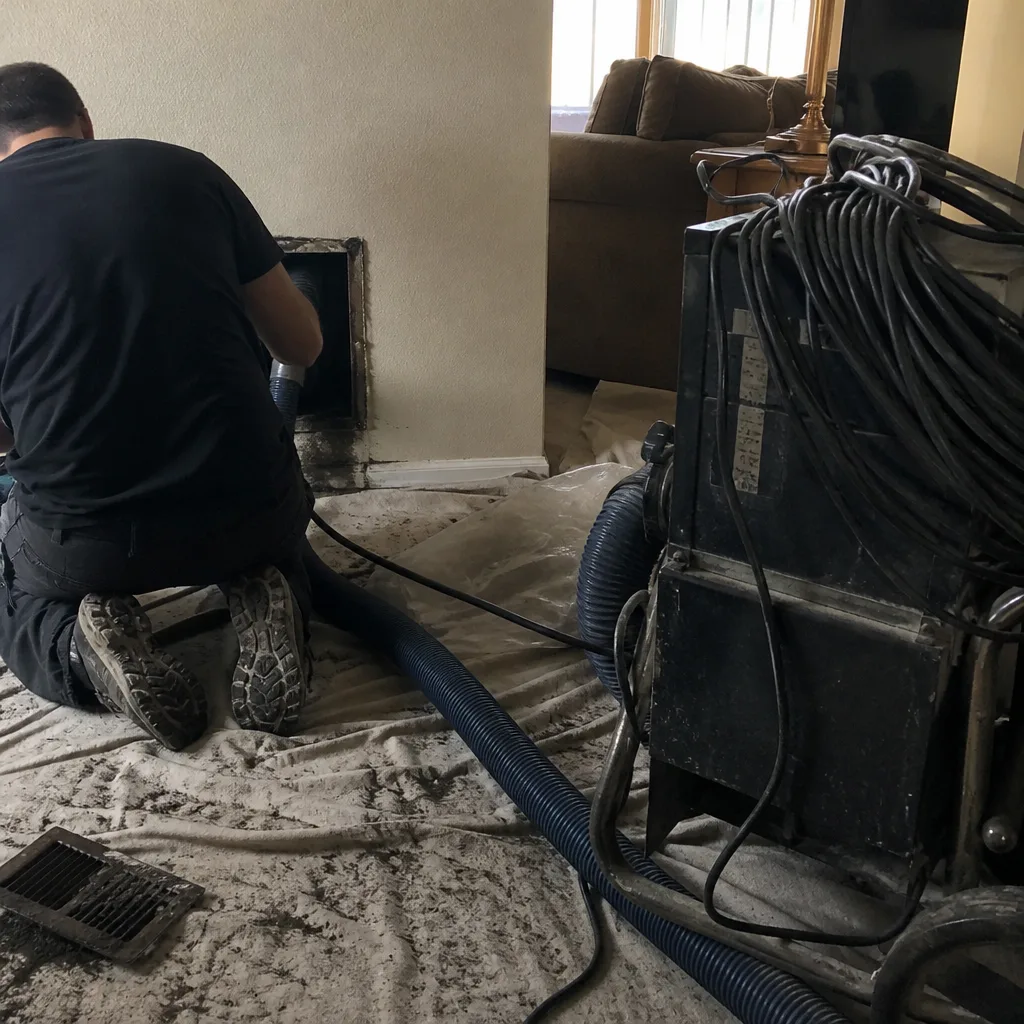
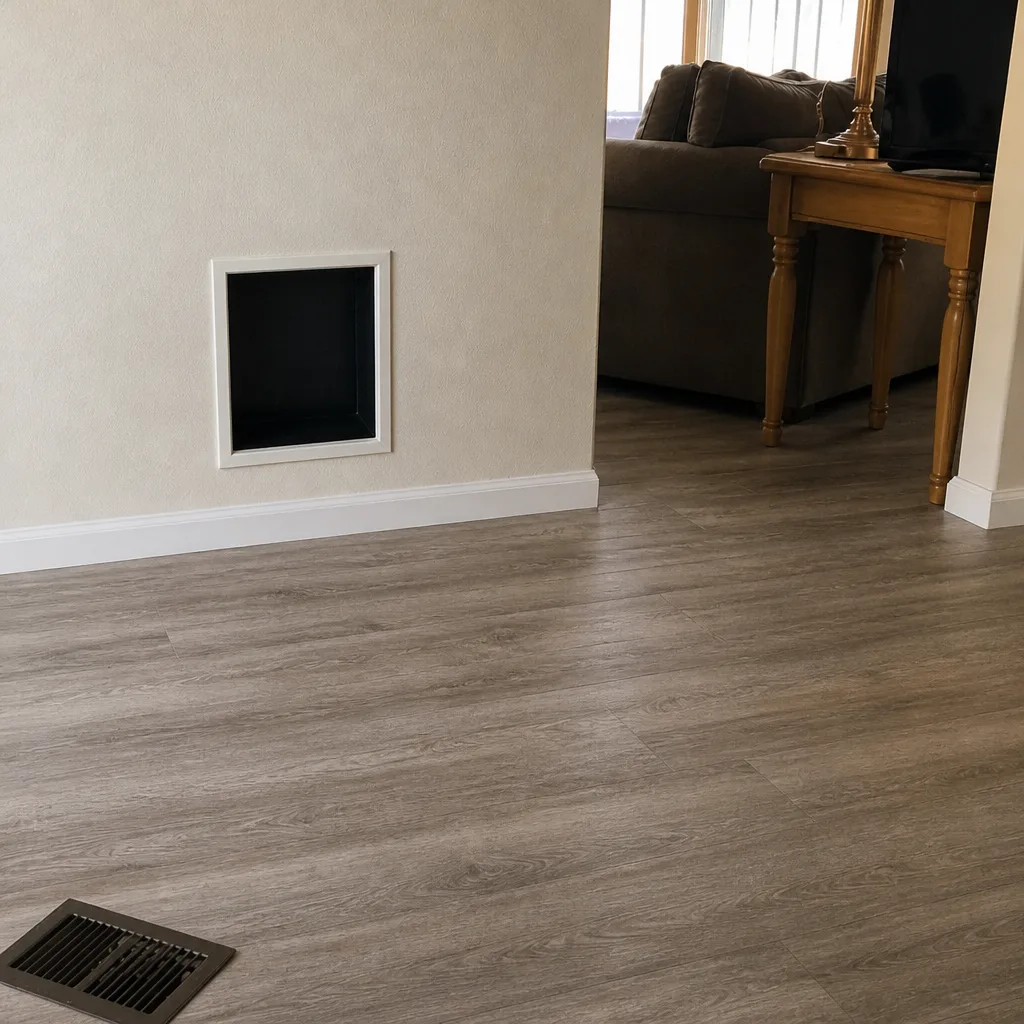
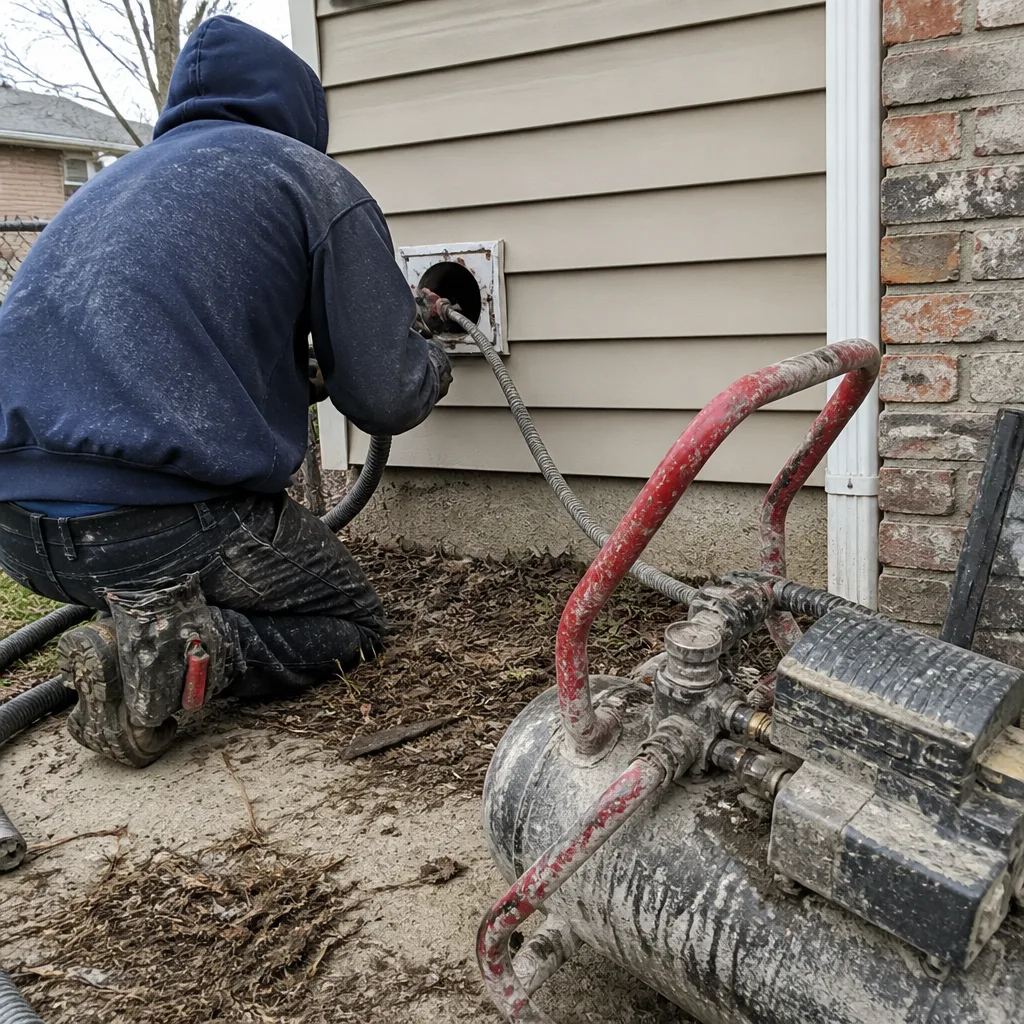
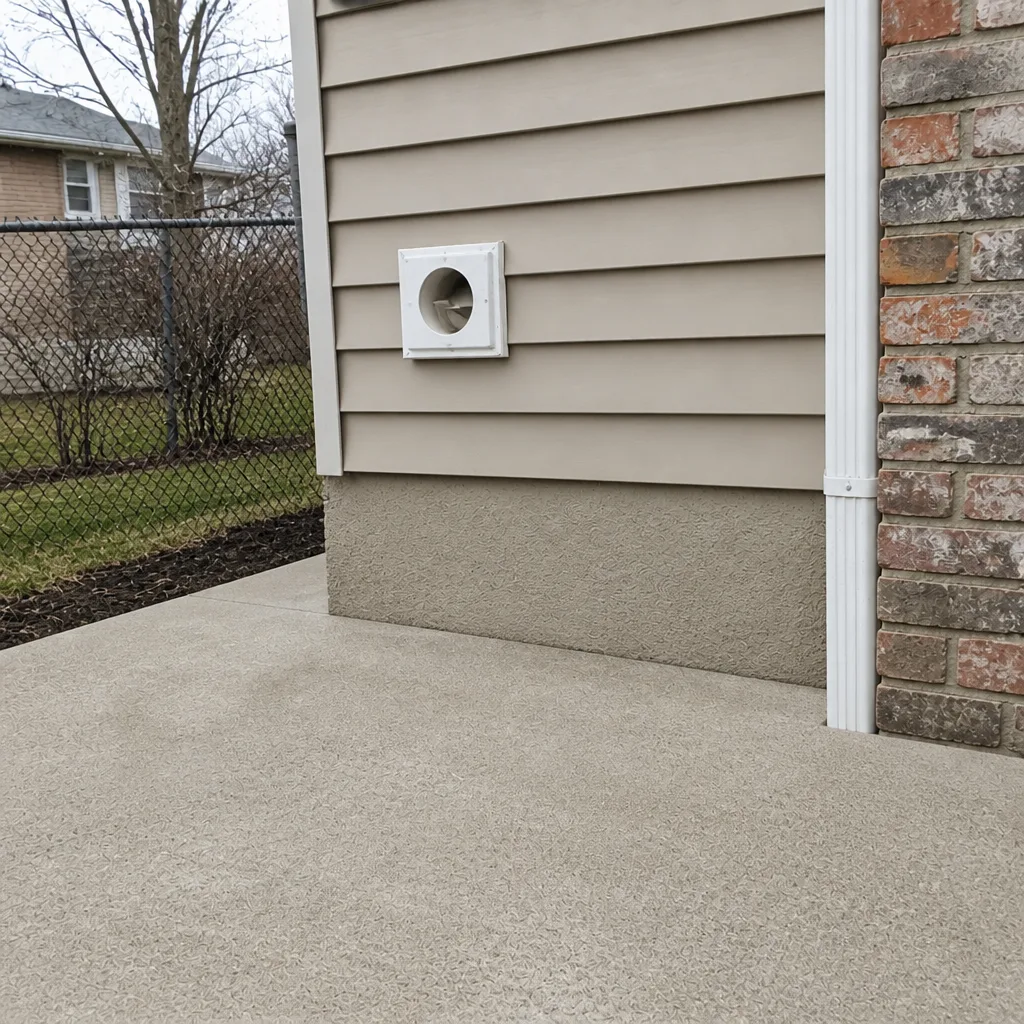
Whole-system duct and dryer vent check with before-and-after photos - you see exactly what came out of your vents
That "$99 whole-house special" is a bait ad - the real number appears once they are in your hallway, or the "clean" is a shop-vac at the register. We photograph the inside of your ducts before and after instead.
Air Duct Cleaning Warning Signs: A Sandy Homeowner’s Reference Guide
Visible dust on a register grille means almost nothing on its own. A grimy grille face is usually just surface buildup, the kind that wipes off in ten seconds and says nothing about what’s happening twelve inches deeper in the duct run. The signs that actually tell you a Sandy home needs its ducts cleaned are inside the duct wall, and they’re measurable if you know where to look. This guide covers what those signs are, how to check for them yourself with a phone camera and a flashlight, and how to tell the difference between a system that needs cleaning and one that needs repair. Our goal is that you finish this page able to make an informed call, whether that call is to us or to another qualified specialist in Sandy.
Quick Answer
In Sandy homes, the warning signs that most reliably point to overdue duct cleaning are these: filter loading that accelerates over a few weeks, airflow that’s noticeably uneven between rooms, a persistent musty smell that returns after cleaning vents, visible debris buildup inside the first foot of the duct (not just dust on the grille), and higher-than-usual runtime on your furnace or air handler. Surface dust on furniture and registers is a weak signal by comparison. If you can confirm two or more of the real indicators, it’s worth having a specialist inspect the system properly before deciding on cleaning.
Styles & brands we work with
- Whole-home duct cleaning
- Dryer vent cleaning
- Camera inspection
- Sanitizing & deodorizing
Table of Contents
- Why the Obvious Signs Are the Weak Ones
- How to Inspect the First 12-18 Inches of Your Duct
- Filter Loading Rate: The Most Reliable Warning Sign in Sandy
- HVAC Performance Indicators You Can Actually Measure
- Post-Renovation Contamination: A Different Problem Entirely
- Signs You Need Repair, Not Just Cleaning
- When to Call a Professional
- Frequently Asked Questions
Why the Obvious Signs Are the Weak Ones
Most “duct cleaning warning sign” lists lead with the same four items: dusty furniture, dirty register covers, musty smells, and allergy complaints. Every one of those has multiple plausible causes that have nothing to do with duct contamination. Dusty furniture in a Sandy home is often just dry air and static. A dirty grille face is usually surface dust drawn to the metal. A musty smell could be a damp basement, a bathroom exhaust that vents into the attic, or a slightly clogged condensate drain.
The problem with weak signals is that they get used as sales triggers. A crew shows up, points at your grille, and sells a cleaning you may not have needed. Or the opposite: a homeowner with a genuinely contaminated duct system dismisses the real problem because “the obvious signs” don’t match what they read online.
Here’s the reframe that matters. In a Sandy home, duct contamination usually comes from one of four sources, and each leaves its own fingerprint:
- Return-side dust drawn in from living space – shows up as uniform gray buildup on duct walls, mostly on the return run.
- Attic or crawl-space intrusion through a duct leak – shows up as fibrous material (insulation, dust from building envelope) concentrated downstream of a joint or boot.
- Post-renovation drywall dust – shows up as fine white or pale gray powder caked along the bottom of horizontal runs.
- Biological growth from moisture – shows up as dark staining or patchy discoloration, often near the air handler or a coil that’s been wet.
Each of these calls for a different response. Two call for cleaning. One calls for sealing as well. One calls for cleaning plus sanitizing and possibly a source repair. Knowing which one you have is the point of an inspection. For the broad picture on what a proper cleaning involves, the air duct cleaning page on our site lays out the process; this guide is about identifying whether you need it.
How to Inspect the First 12-18 Inches of Your Duct
You can see most of what a professional sees in the first 12 to 18 inches of a duct, using just a phone camera and a small flashlight. The trick is that you’re looking for accumulation patterns, not one-off dust specks. Here’s a method that works on most residential supply registers in Sandy homes:
- Turn the system off at the thermostat. You want still air, not a stream of dust blowing past your camera lens.
- Remove the register grille. Most are held by two screws. If the grille is painted over or caulked, don’t force it; skip this register and try another one.
- Shine the flashlight down the duct at a shallow angle. Straight-on light hides texture. Angled light reveals ridges, buildup, and fibrous material.
- Take a phone photo with the flash on, pointed down the run, then review the photo. Your phone camera is a better inspector than your eye at close range.
- Reach your hand into the first four to six inches and wipe the duct wall with a clean white paper towel. This is the most useful single test. What comes off on the towel tells you a lot.
- Repeat at two or three registers – ideally one closest to the air handler, one in the middle of the run, and one furthest away. Contamination that’s uniform across all three usually means return-side dust. Contamination that’s worse at one end usually means a leak or a specific source.
What you’re comparing is this:
- Normal surface dust – a thin, even film that wipes off cleanly and shows a light gray tint on the paper towel. This is what most ducts look like after a few years of normal use, and it alone isn’t a reason to clean.
- Accumulated debris – a visible layer with texture, ridges, or clumps that hold their shape when you wipe them. If the paper towel comes back with material that looks like lint or felted dust rather than a smudge, that’s real accumulation.
- Fibrous material – pale, stringy, or fluffy bits. This is often attic insulation that got pulled in through a leak, and it’s a red flag that the duct needs sealing, not just cleaning.
- Caked powder – dry, fine, and stuck along the bottom of horizontal runs. Almost always drywall dust from a renovation.
- Dark or patchy staining – treat this as a “stop and call a specialist” sign rather than a DIY determination.
What you do not want to do is force your way into a duct, remove a boot, or break a taped joint to look further. The tape and mastic on most Sandy homes’ ducts is the seal. Once you’ve compromised it, you’ve created the exact leak you’re testing for. Camera-and-flashlight inspection stops at the register opening.
Filter Loading Rate: The Most Reliable Warning Sign in Sandy
The single most reliable warning sign in a Sandy home is how fast your filter loads. Not whether it’s dirty – all filters get dirty – but the rate at which it goes from clean to loaded. A properly sealed duct system pulls air through the filter and nowhere else. A duct system with leaks pulls air through the filter and from the attic, crawl space, or wall cavities downstream of the filter. That extra load shows up on your filter.
Here’s how to use the signal:
- Note the date and condition when you install a fresh filter. Write it on the filter frame in pencil.
- Check it at two weeks and again at four weeks. Photograph the filter at each check.
- Compare loading across seasons. Sandy’s dry summer and its winter inversion periods load filters differently. If your filter goes from clean to caked in under three weeks in either season, that’s fast loading.
- Look at the filter’s loading pattern. A filter that loads evenly is doing its job. A filter with a dark band along one edge, or heavy loading on one half and light on the other, suggests a leak path or a bypass around the filter frame.
What’s normal? A filter that reads visibly gray but still passes light at the four-week mark, and is ready for replacement somewhere in the two-to-three-month range, is doing what it should. A filter that’s caked solid at two to three weeks is telling you something. In our experience across Sandy homes, three things cause that pattern most often:
- Duct leaks on the return side, pulling attic or crawl-space air. This is the most common single cause. The filter isn’t just filtering house air; it’s filtering the building envelope.
- An undersized return path combined with a high-MERV filter. The system starves for return air and pulls it in through any leak it can find. Stepping back to a lower MERV rating, or adding a second return, often solves it. Honeywell and Aprilaire filtration products are designed to work with this tradeoff, and matching filter to system is worth more than chasing the highest MERV number on the box.
- Ongoing construction dust nearby. Sandy’s active remodel market means neighboring projects can affect the filter load in a home that hasn’t been touched. If you’re near a renovation, expect some elevation, and don’t mistake that for a duct problem.
If your filter is loading fast and you can confirm the pattern with photos, the next step is a proper duct inspection, not another filter change. The filter is telling you the ducts are the problem. For the HVAC side of that inspection, our HVAC cleaning page explains how the air handler, coil, and blower interact with duct contamination.
HVAC Performance Indicators You Can Actually Measure
Contaminated ducts don’t just sit there. They change how your system moves air. Three performance indicators can be observed without specialized tools, and they’re more useful than a “does my house feel dusty?” gut check.
Airflow balance between rooms
Walk from room to room with the system running and hold the back of your hand against each supply register. The pressure should feel roughly similar across rooms on the same floor. If one bedroom’s register has noticeably weaker flow than the hallway beside it, that’s a signal. It could be a damper, an undersized branch, or a partially blocked duct. Contaminated ducts rarely cause dead-even partial blockage, but heavy debris accumulation in a horizontal run or a collapsed flex duct can.
Sandy homes with flex duct runs (common in homes built or retrofitted in the past couple of decades) are especially prone to sagging runs. A sagging run collects debris the way a sagging gutter collects leaves. The airflow difference shows up before anything else.
System runtime
A furnace or air handler working against restricted airflow runs longer to move the same amount of heat. Watch your thermostat’s runtime over a week and compare it against what you remember from prior seasons. If the system is running noticeably longer without a change in weather or thermostat setpoint, restricted airflow is one plausible cause among several. Combined with fast filter loading and uneven room airflow, it becomes a strong signal.
Static pressure and return-side restriction
This is where a professional’s measurement matters, and where homeowner observations reach their limit. Static pressure is the resistance the blower works against. It rises when the filter loads, when ducts are undersized, and when return paths are restricted. A technician can measure static pressure before and after cleaning to confirm the work did what it was supposed to do. That’s one of the reasons we integrate Abatement Technologies filtration into the cleaning process: the containment and post-cleaning verification are part of the job, not an afterthought.
If you’ve confirmed uneven airflow, longer runtime, and fast filter loading – all three – you’re well past the “maybe” stage. That pattern means the system is working harder than it should to deliver less air than it should. Cleaning and, if needed, sealing restore the baseline.
Post-Renovation Contamination: A Different Problem Entirely
If you’ve recently completed a kitchen or bathroom remodel, or you live in a Sandy neighborhood where nearby homes are being renovated, watch for a specific contamination pattern that looks nothing like ordinary dust. Drywall dust is the culprit, and it behaves differently than allergen buildup.
Drywall dust is fine, abrasive, and it clings. It settles along the bottom of horizontal runs, cakes into the corner where the duct wall meets the floor of the duct, and when a system runs, it gets distributed through the whole house. It also gets pulled into the air handler and can coat the blower wheel and cooling coil. That’s a bigger deal than ordinary dust, because:
- It’s abrasive, so it wears on blower components over time.
- It clogs filters faster than organic dust – often dramatically, within weeks of a remodel.
- It can coat a wet cooling coil and turn into a paste that restricts heat transfer.
- It doesn’t respond to a vacuum-only cleaning the same way ordinary dust does. Drywall dust often needs mechanical agitation, which is where a Rotobrush-style rotary system earns its place in the process.
The warning signs of post-renovation contamination are specific:
- Fine white or pale gray dust settling on surfaces in rooms that had no part in the renovation.
- Filter loading that accelerates sharply in the weeks after the work finished.
- A faint chalky smell when the system first starts up in the morning.
- Visible buildup inside registers closest to the renovation area.
If you had a renovation and you’re seeing these signs, tell the specialist that a remodel happened and roughly when. The cleaning approach is different from an allergen-focused cleaning. It’s also why we like to know about any planned renovation before we schedule work: sometimes the smart sequence is to clean after the final coat of paint, not before, and sometimes the system needs a mid-renovation filter change to protect the air handler from what’s coming.
For homes near active Sandy construction, the contamination question isn’t usually “do I have it?” but “how much got in?” That’s a question worth answering before the system has been running on it for a year. For a broader look at how the whole airflow chain fits together, the Sandy Air Duct Cleaning Pros home page lays out the full-service scope.
Signs You Need Repair, Not Just Cleaning
Not every contaminated duct needs cleaning. Some need repair first, or sealing in the same visit, or a referral to a licensed HVAC contractor. Here are the indicators we watch for.
Duct sealing failures
A duct leak is a two-way problem. It lets conditioned air escape and lets attic or crawl-space air in. Common locations in Sandy homes include:
- Boots where the supply duct meets the floor or ceiling – often separated by a fraction of an inch.
- Taped joints where the tape has dried and lost adhesion.
- Sagging flex duct connections where the inner liner has pulled loose from the collar.
- Plenum connections at the air handler where original mastic has cracked.
Leaks like these are not a cleaning problem. Cleaning a leaking duct leaves the leak in place and the contamination comes right back. This is why we offer duct repair and sealing as a standalone service alongside cleaning. Finding a leak, sealing it, and then cleaning is a different job from cleaning alone. The difference shows up in the next filter change.
Insulation degradation inside ducts
Older ductwork with internal fiberglass liner can develop liner damage, especially at joints, transitions, and where duct runs pass through unconditioned attic space. Frayed or deteriorating liner means particles are being introduced to the airstream by the duct itself. Cleaning alone can’t fix it. In some cases the liner needs replacement; in others the run needs replacement. That’s a licensed HVAC contractor’s call, and we’ll say so if we see it.
Biological growth indicators
Dark staining or patchy discoloration inside a duct suggests moisture is present and something is growing on it. This is not a cleaning problem to solve on its own. The moisture source has to be addressed first – a coil that’s been wet, a condensate drain that’s backed up, a humidifier that’s running too high, or a duct run through a damp crawl space. Cleaning a biologically active duct without finding the moisture source just resets the clock. Our air sanitizing service uses Guardsman-backed protocols to address microbial load once the source is fixed, but the source is the priority.
Signs that always mean “get a specialist on the property”
- Dark discoloration or visible growth inside a duct.
- Frayed, torn, or collapsing internal duct liner.
- Duct runs that have visibly separated or fallen away from their supports.
- An audible whistle, thump, or rush of air at a joint when the system cycles on.
- Any question of whether an attic or crawl-space duct has been compromised by water, rodents, or construction debris.
None of these are things to open up further and investigate yourself. Internal duct liner in particular can be fragile and can harbor things you don’t want airborne. The camera-and-light inspection is safe; the duct itself, once you’ve seen a problem, is a professional’s territory.
Common Mistakes to Avoid
- Judging the system by the register grille. The grille face is a surface. The duct wall is the system. Wipe the duct wall six inches past the register to see what’s actually there.
- Swapping in a higher-MERV filter to “catch more.” A radically higher MERV than the system was designed for can starve the blower for return air and increase the leak-driven infiltration it was meant to reduce. Match filter to system; Honeywell and Aprilaire products are designed for this and their spec sheets say what your blower can handle.
- Assuming fast filter loading means a dirty filter change solves it. It usually doesn’t. Fast loading after a fresh filter points at a leak or contamination source downstream, not at the filter.
- Cleaning during a renovation instead of after. Cleaning a duct system mid-remodel reintroduces dust the moment the next batch of drywall sparks fly. The best sequence is usually clean after the last sanding, with interim filter changes during the work.
- Cleaning a leaking duct without sealing it. It’s the most common way a “duct cleaning didn’t work” story gets created in Sandy. If a leak exists, cleaning alone just restarts the clock. Our dryer vent cleaning service faces a similar issue: if the vent run is compromised, cleaning it without repair doesn’t fix the underlying issue.
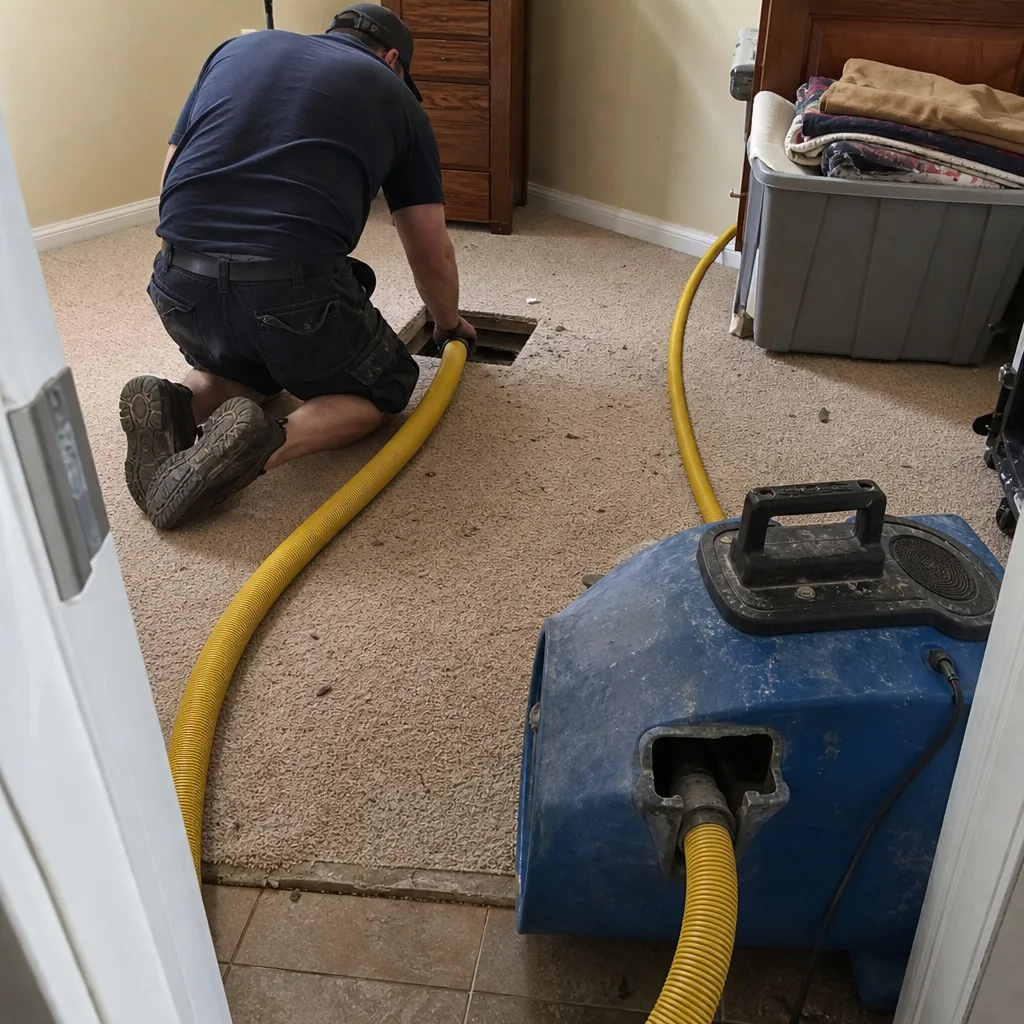
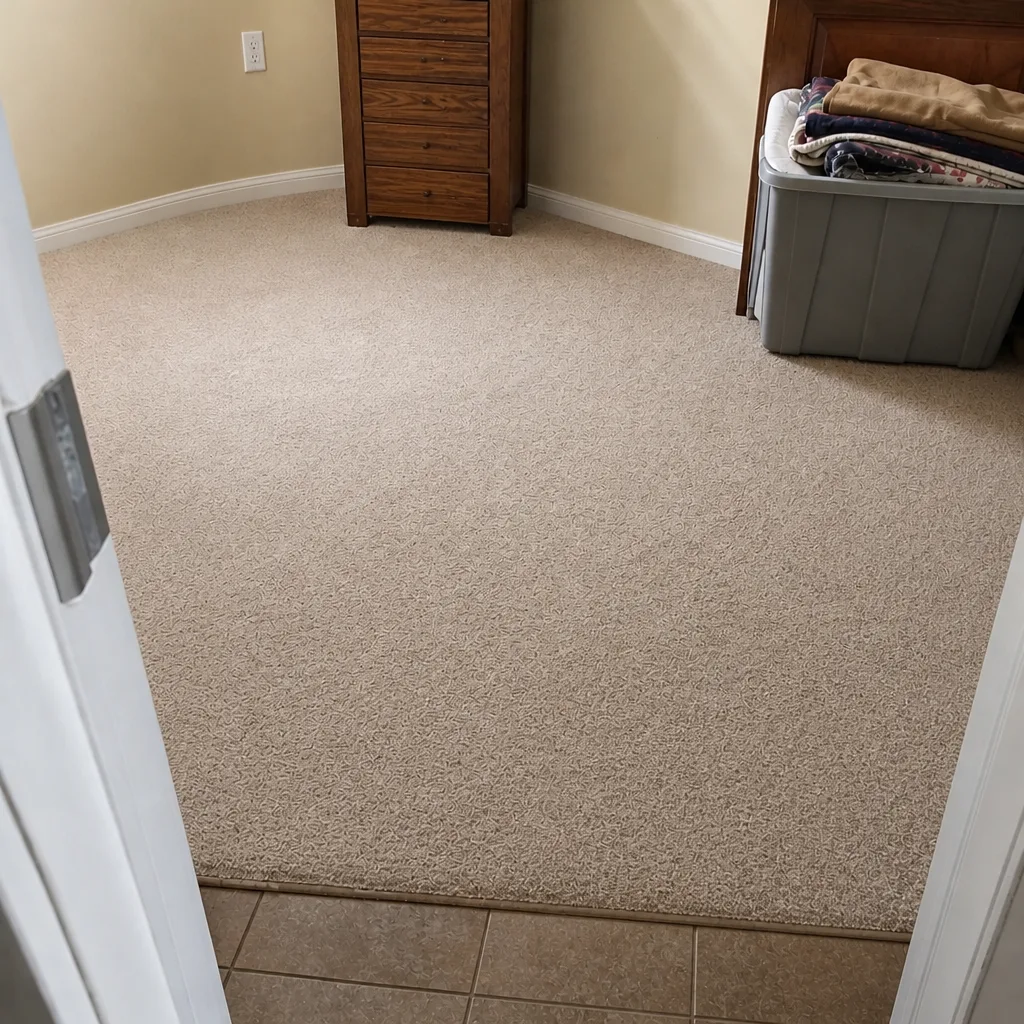
- Skipping the optical confirmation. A quality cleaning includes before-and-after photos taken from inside the ducts. If a company can’t show you the “after,” you have no way to confirm the work was actually done. This matters more in this service category than almost any other.
- Chasing the coupon price. A whole-system cleaning is a defined scope of work, and every reputable provider prices by system, not by vent. If the pricing model involves a per-vent count and a hook rate, the scope is being managed to price. Ask for the whole-system estimate in writing, and compare that.
See the difference
 Before
 After
 Before
 After
 Before
 After
When to Call a Professional
The general rule we’d give a Sandy neighbor is straightforward. Call a specialist when you’ve confirmed two or more of these: fast filter loading despite a fresh filter, uneven airflow between rooms, a musty smell that returns after register cleaning, visible debris buildup deeper than surface dust, post-renovation dust settling into registers, or lengthier system runtime without a weather or setpoint reason. If you’ve found dark staining or frayed internal liner, call without waiting for a second sign. Our technicians have up to 15 years of experience inspecting exactly these patterns in homes across Sandy and the surrounding valley, and we use professional-grade equipment from Rotobrush, Nikro, and Abatement Technologies on every job. Sandy Air Duct Cleaning Pros offers free estimates in Sandy: call (833) 858-9278. We answer 24/7. Fast dispatch from 7am to 7pm, Sunday through Friday.
Frequently Asked Questions
Surface dust on a register grille isn’t a reliable sign, but three other observations are: filter loading that accelerates after a fresh filter, airflow that’s noticeably uneven between rooms, and visible debris buildup inside the duct wall (not the grille) when you inspect with a phone camera and flashlight. If you confirm two or more of those, duct cleaning is worth investigating. Call (833) 858-9278 for a free estimate – estimates are free and we’ll tell you honestly whether cleaning is warranted.
Fast filter loading in Sandy homes most often comes from duct leaks on the return side pulling attic or crawl-space air, an undersized return path with a high-MERV filter, or ongoing construction dust from nearby renovations. Each of those three has a different fix, which is why we start with an inspection rather than assuming. A filter change alone won’t stop it. Call (833) 858-9278 to book an inspection and find out which cause you’re dealing with.
We price the whole system, not the number of vents, and the written estimate is what you pay. That means one flat price per system, agreed before work starts, and it covers the entire run – supply, return, boots, plenum, and the air handler – not just the visible registers. Before-and-after photos from inside the ducts confirm the work that was done. Call (833) 858-9278 for an exact quote – estimates are free.
A void-the-coupon-price quote usually reflects a narrower scope than a full-system cleaning – sometimes just a surface pass on the visible registers, sometimes a per-vent price that escalates once the crew is on site. The tell is whether the estimate is written as a fixed whole-system price before work begins. If it’s per-vent, expect the final invoice to grow. We quote the whole system in writing so you know exactly what you’re paying before anything starts. Call (833) 858-9278 for a free estimate.
Ask for before-and-after photos taken from inside the ducts, not of the register grilles. The photos should show the same duct run at the same angle before and after cleaning. We take these on every job because they’re the only way a homeowner can confirm the work. If a company can’t produce them, treat that as a signal about the scope of what was done. Call (833) 858-9278 to schedule with a team that documents the work.
Most homes don’t need it on a calendar schedule; they need it when the warning signs point to it. Homes with ongoing renovation activity, homes with pets, homes with allergy-sensitive occupants, or homes that have had a duct leak often need it every few years. Homes in quieter circumstances often go much longer. The signs matter more than the calendar. Call (833) 858-9278 and we’ll inspect before recommending anything.
The Bottom Line
The warning signs that matter in a Sandy home are inside the duct wall, not on the register grille. Fast filter loading, uneven airflow between rooms, longer system runtime, visible debris in the first foot of the duct, and post-renovation drywall dust in the runs are the signals worth acting on. Dark staining, frayed internal liner, and duct sealing failures need repair or a referral to a licensed HVAC contractor, not cleaning alone. If you confirm two or more signs, get an inspection before you commit to anything. That’s the whole point of this guide: give you enough information to make a good call, whichever direction the call goes.
If a repair or cleaning makes sense, our team uses the same professional-grade equipment restoration and industrial contractors specify – Rotobrush, Nikro, Abatement Technologies – and we repair what we find rather than handing off problems to another company. One provider for cleaning, sealing, sanitizing, and the dryer vent run too.
Call (833) 858-9278 for a free estimate. We answer 24/7. Fast dispatch from 7am to 7pm, Sunday through Friday.
Written by the team at Sandy Air Duct Cleaning Pros.