
Last updated November 25, 2026
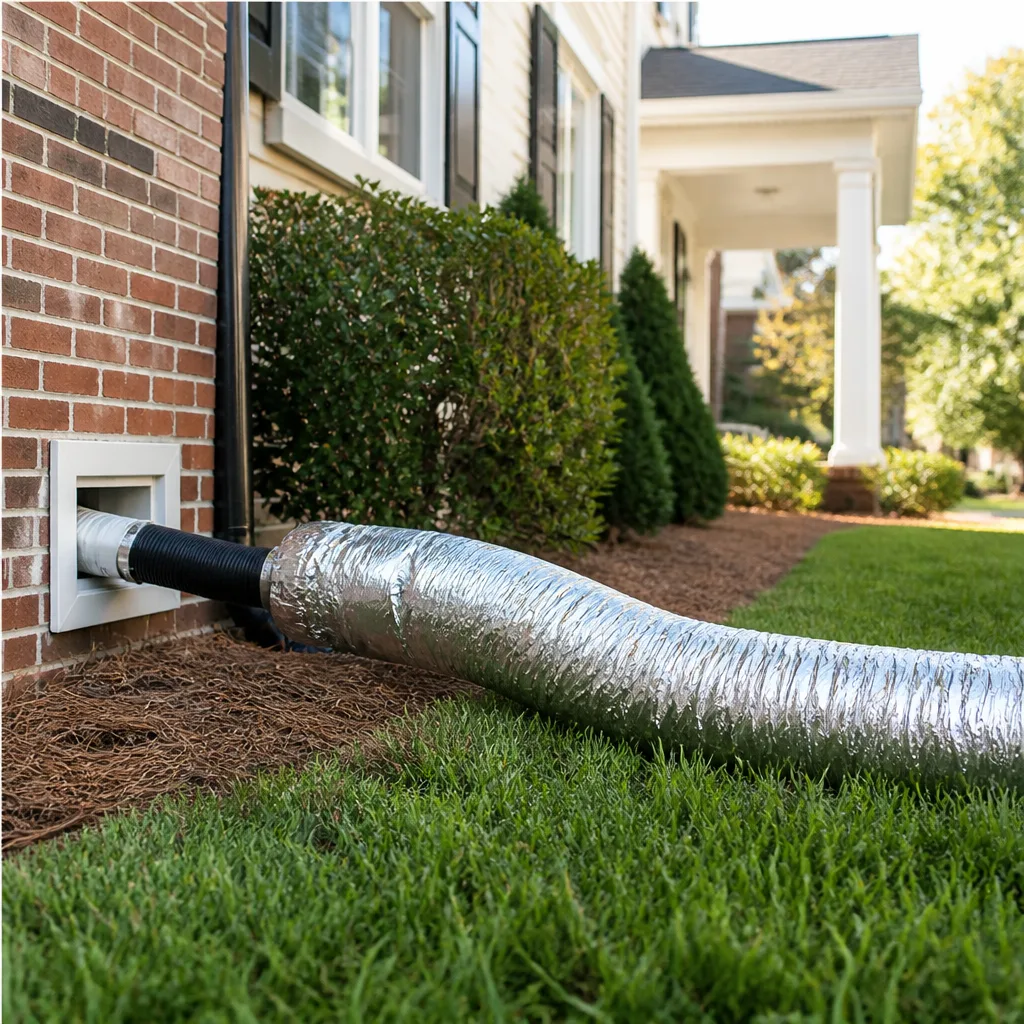 Whole-home duct cleaning
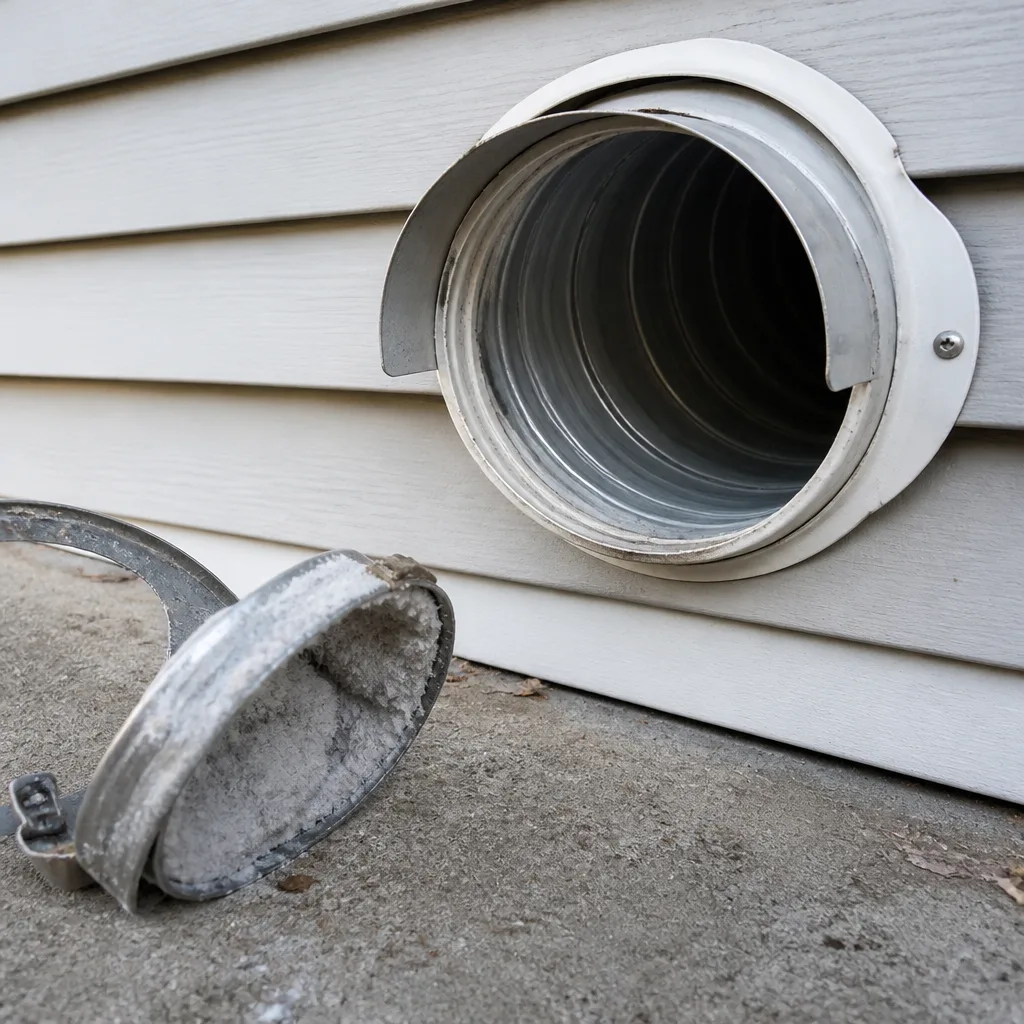 Dryer vent cleaning
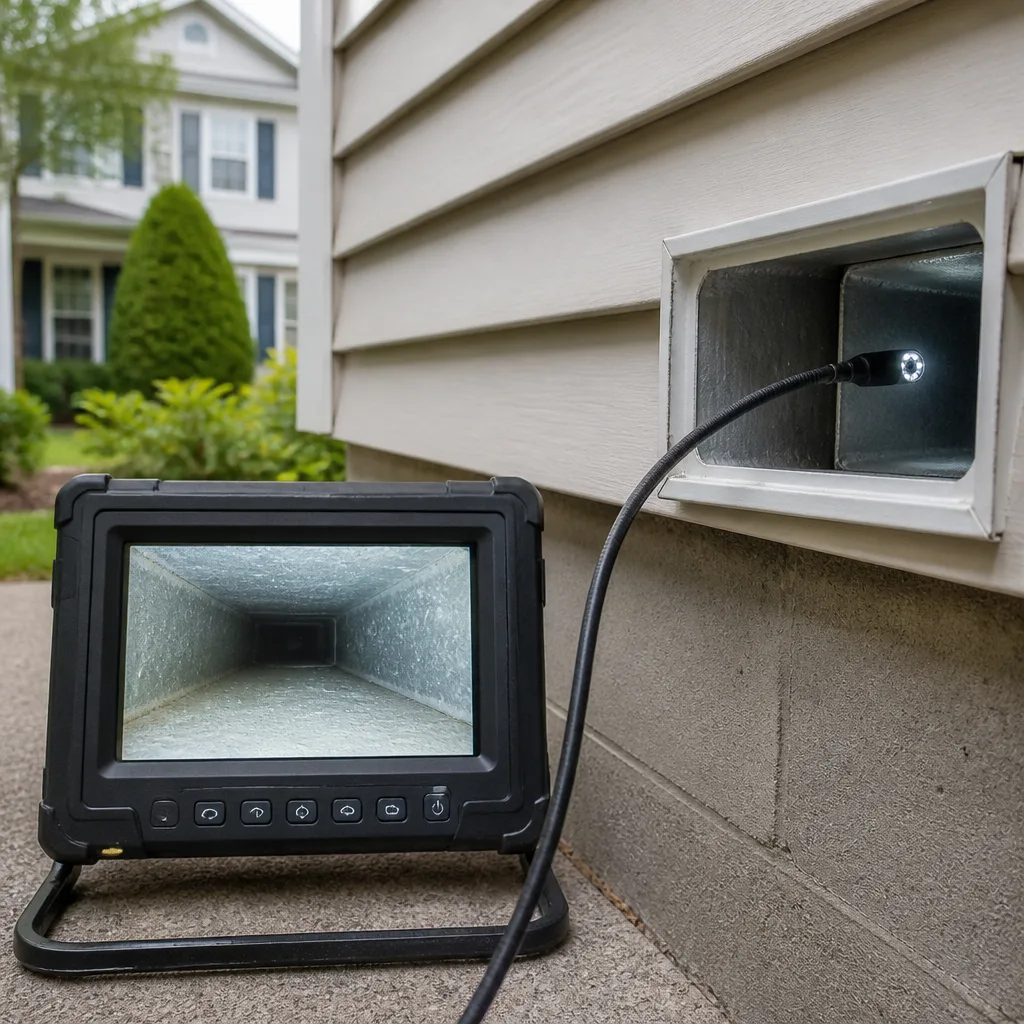 Camera inspection
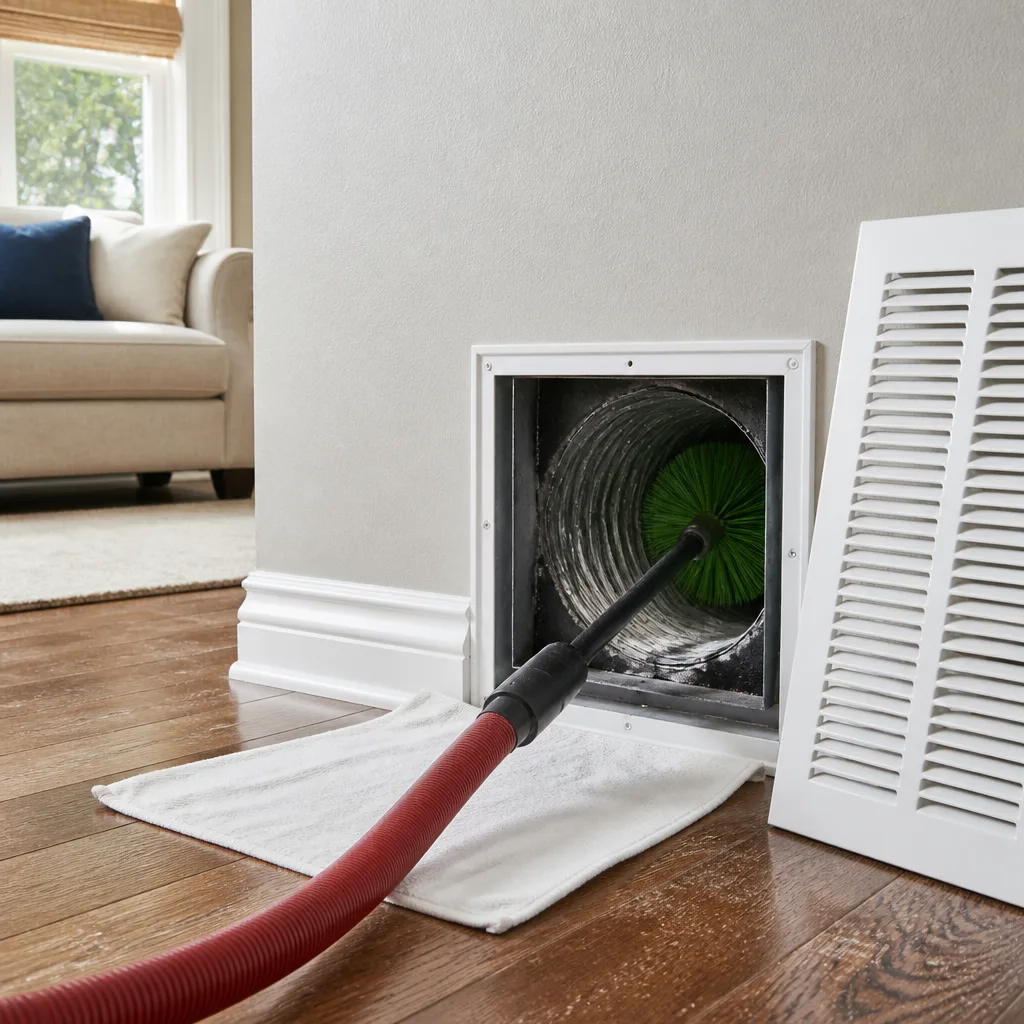 Sanitizing & deodorizing
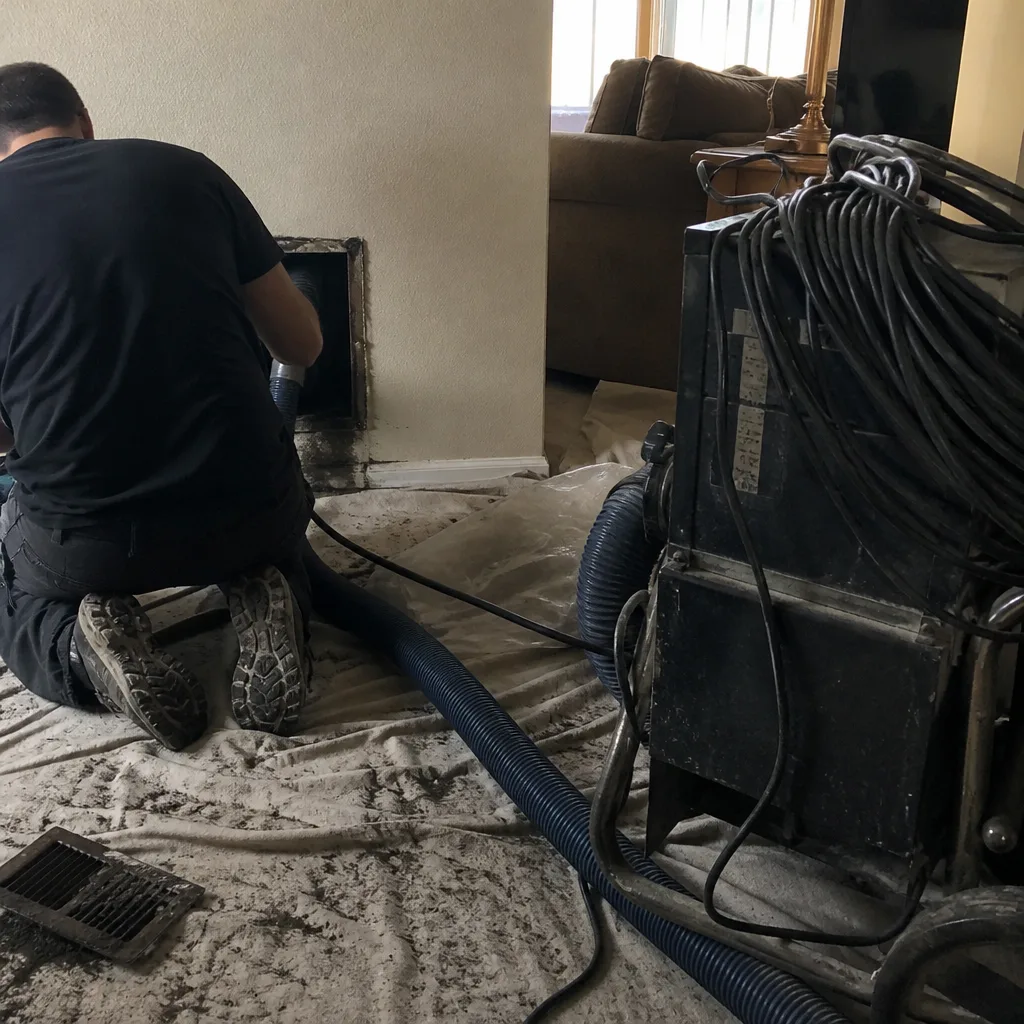
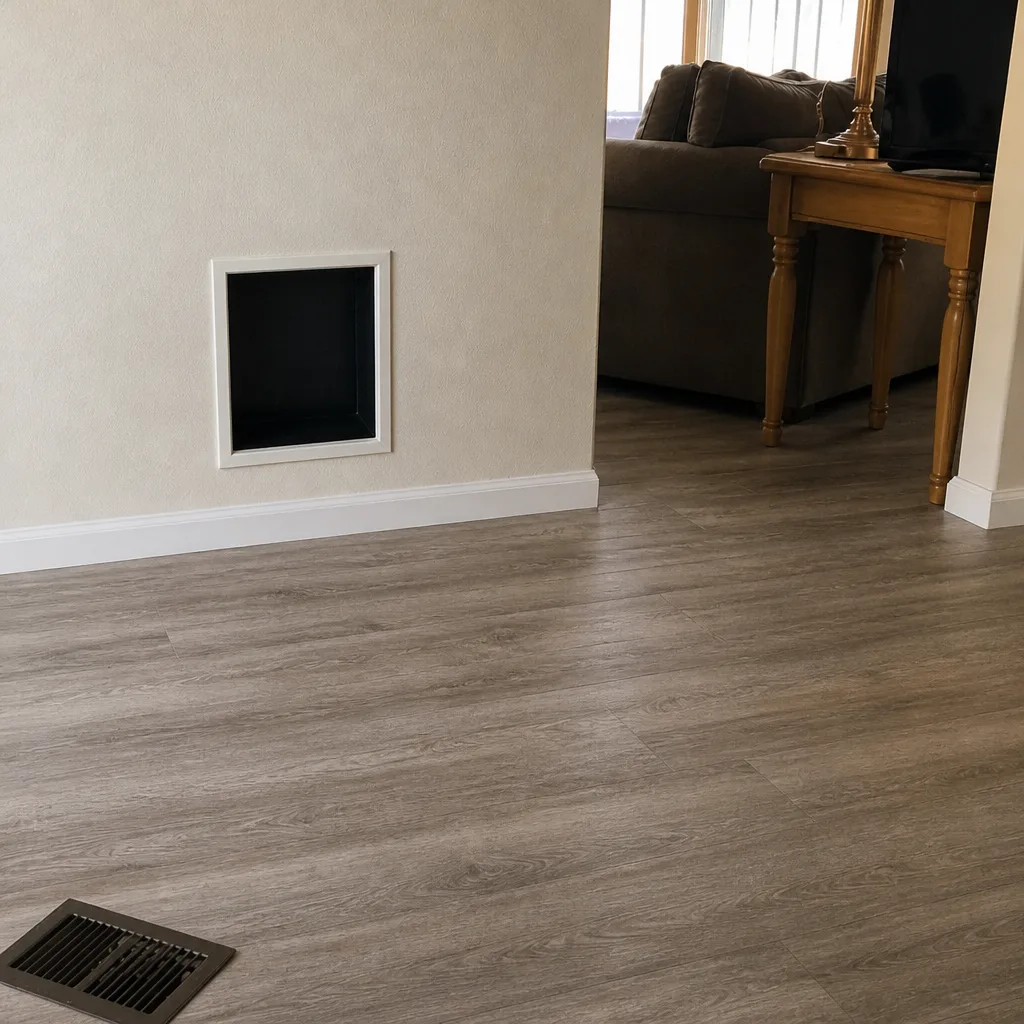
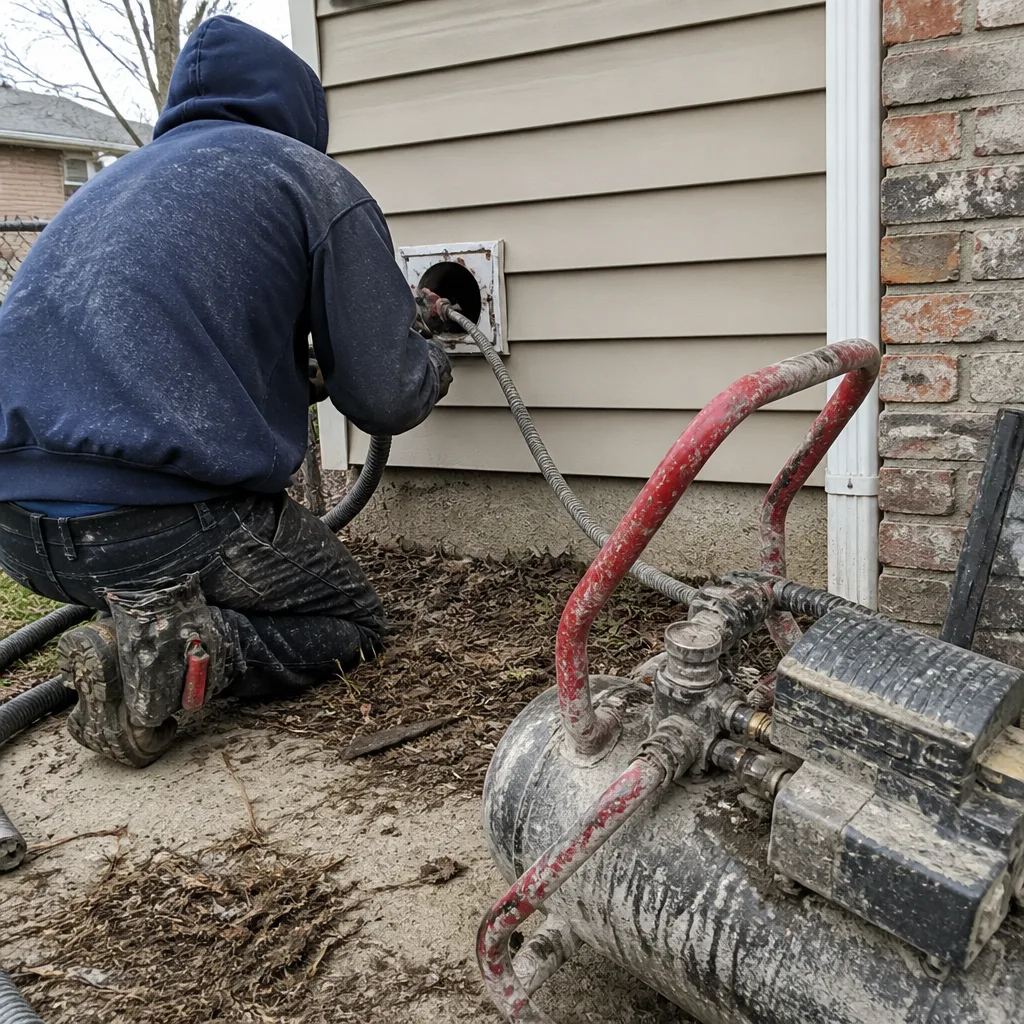
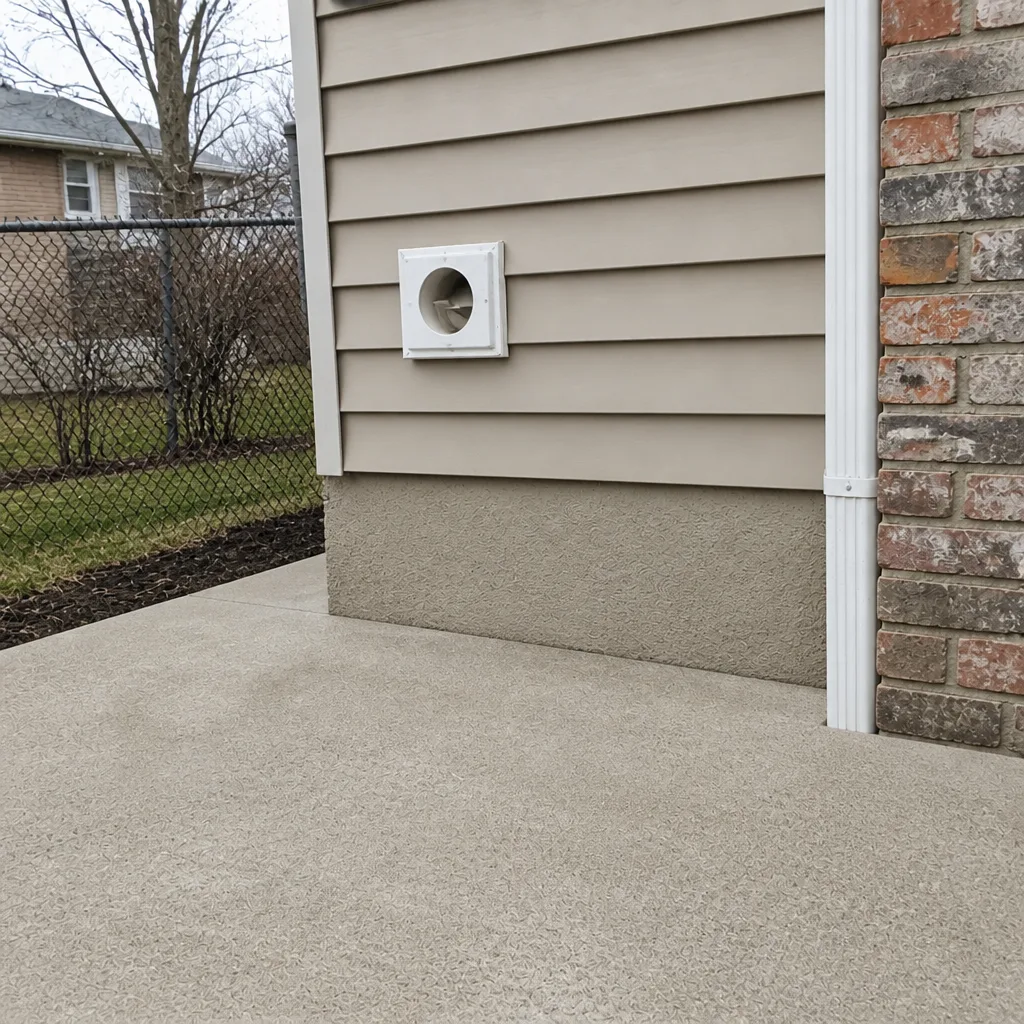
Whole-system duct and dryer vent check with before-and-after photos - you see exactly what came out of your vents
That "$99 whole-house special" is a bait ad - the real number appears once they are in your hallway, or the "clean" is a shop-vac at the register. We photograph the inside of your ducts before and after instead.
How to Hire an Air Duct Cleaning Contractor in Sandy: A Step-by-Step Guide
A $99 duct cleaning coupon and a $600 full-system job can use identical marketing language. Both promise “source removal,” “negative pressure,” and “certified technicians.” The difference isn’t the price tag. It’s whether the contractor can tell you the CFM rating of their vacuum collection unit, name the brush system they’ll run through your trunk line, and show you photos of your own ducts after the work is done.
Most Sandy homeowners have never hired a duct cleaner before, so they have no baseline for what a legitimate quote looks like. That’s what this guide fixes. By the end, you’ll know the five technical questions that separate full-system contractors from shop-vac operators, how to read a scope-of-work document, and how to run a reference check that actually surfaces problems. The Sandy market has both kinds of operators. Knowing which is which before they’re inside your home is the whole game.
Quick Answer
To hire an air duct cleaning contractor in Sandy, verify five things before you book: the CFM rating of their vacuum collection unit (professional systems run in the thousands of CFM, not hundreds), whether they use negative pressure containment, what brush or agitation system they run, whether the quote came from an in-home walkthrough, and what post-job verification they provide. Ask for the scope of work in writing, check for NADCA membership as a starting point rather than a finish line, and request references you can actually call. A legitimate contractor will answer all five questions without hesitation. A low-bid operator will change the subject.
Styles & brands we work with
- Whole-home duct cleaning
- Dryer vent cleaning
- Camera inspection
- Sanitizing & deodorizing
Table of Contents
- The Five Technical Questions That Separate Professionals From Low-Bid Operators
- What Professional-Grade Equipment Actually Looks Like
- Why NADCA Membership Matters (and What to Ask Beyond It)
- Utah-Specific Red Flags in the Sandy Market
- How to Compare Quotes Apples-to-Apples
- Reference Checks That Actually Work
- The In-Home Walkthrough: What Should Happen
- Common Mistakes to Avoid
- When to Call a Professional
- Frequently Asked Questions
The Five Technical Questions That Separate Professionals From Low-Bid Operators
These five questions do most of the work. Ask them on the phone before you book. A contractor who has to “check with the office” on all five is telling you something. A contractor who answers them in plain language, without deflecting, is worth a walkthrough.
- What’s the CFM rating of your vacuum collection unit? CFM means cubic feet per minute. Professional duct cleaning rigs move air in the thousands of CFM. A shop-vac repurposed for duct work moves a few hundred. Ask for the number, not the brand name.
- Do you run negative pressure, and how do you contain it? Negative pressure keeps dislodged debris moving toward the vacuum instead of into your living room. Ask where they seal, how they seal it, and whether they use HEPA filtration on the exhaust. The answer should involve real containment materials, not a tarp and tape.
- What brush or agitation system do you use? Source removal requires mechanical agitation: rotary brushes, whip lines, or compressed-air tools matched to the duct type. Ask which system they use on rigid metal versus flex duct, because the wrong tool damages flex.
- What’s your containment protocol for the rest of the house? During the job, how do they protect floors, furniture, and HVAC equipment? Do they cover supply registers before the vacuum starts? This one question tells you whether they’ve done thousands of homes or dozens.
- How do you verify the work after you’re done? Legitimate contractors photograph the inside of ducts before and after, and some run a particle count in the conditioned space. Ask what proof you’ll receive and when.
We’ve watched these questions do more to sort the market than any certification. A contractor with professional equipment from Rotobrush or Nikro will answer them in under a minute. A low-bid operator will offer to “get you a great price” instead of an answer.
What Professional-Grade Equipment Actually Looks Like
You don’t need to become an equipment expert, but you do need to recognize the difference between professional duct cleaning rigs and residential shop-vacs with a hose attachment. The gap is enormous.
Professional systems are built for restoration and industrial work. They combine high-CFM vacuum units, HEPA filtration, and matched agitation tools: rotary brush systems for main trunk lines, flexible whip lines for branch runs, and air-driven tools for tight transitions. Nikro and Rotobrush both make equipment specified for jobs where air quality is the point, not a side effect. Abatement Technologies builds air filtration systems used in commercial restoration settings, and when that class of equipment is integrated into a residential duct cleaning, containment and verified air quality become measurable outcomes rather than marketing claims.
Here’s what to ask about equipment specifically:
- Vacuum source: Is the collection unit rated for duct work, and what’s the CFM?
- Filtration: Is there HEPA filtration on the exhaust so fine particulate doesn’t blow back into the home?
- Agitation tools: Are there separate tools for rigid metal, flex duct, and plenum transitions?
- Air movers and access tools: Do they cut proper access holes with sealing capability, or do they work through existing registers only?
Working through registers alone is the tell. A true source removal job requires access to the trunk line and branch runs, and that means access ports that get sealed when the job finishes. When you’re talking to a contractor about air duct cleaning, ask whether they cut access, how many, and how they seal them. If the answer is “we don’t need to,” the job isn’t a full-system clean.
Why NADCA Membership Matters (and What to Ask Beyond It)
The National Air Duct Cleaners Association sets the assessment, cleaning, and restoration standards the industry uses. Membership shows a contractor has committed to that framework. It’s a useful starting filter, and it’s fair to ask about it directly.
It’s not sufficient on its own. NADCA membership isn’t a license, doesn’t guarantee the equipment on the truck, and doesn’t say anything about how a specific technician runs a job in a specific home. So treat it as a gate you pass through, not a finish line. Once you know they’re a member, ask these follow-ups:
- Which NADCA standard do they follow for residential work, and can they describe what it requires step by step?
- Which of their technicians hold NADCA certifications, and who will actually be in your home on the day?
- How do they assess a system before cleaning? A proper job starts with an inspection, not a quote over the phone.
- What’s their policy on cleaning components beyond the ducts: the air handler, the blower, the coil, the plenum?
The last one separates specialists from operators. Duct cleaning without addressing the HVAC components that push the air often leaves the source of the problem in place. That’s why we pair HVAC cleaning with duct work: the system is one airflow chain, and cleaning half of it is money spent on half a result. In a Sandy home, where the furnace runs hard through dry winters and the AC runs hard through hot summers, both sides of the system collect the load.
Utah-Specific Red Flags in the Sandy Market
The Sandy market has specific patterns worth knowing about. A few red flags are common enough that we flag them by name.
Unlicensed HVAC add-ons
Some cleaning companies offer “free HVAC inspections” and then pitch repairs, coil replacements, or “system tune-ups” during the visit. Utah requires HVAC contractors to be licensed for that class of work. Before you accept any add-on service beyond cleaning, ask for the license and confirm it covers the work being proposed. Cleaning is one thing; opening up a furnace or air handler is another.
Mold-fear upsells without data
The most common pressure tactic is showing you a photo of dark material inside a duct and telling you it’s mold that requires an emergency sanitizing treatment. Mold can’t be identified from a photograph. A legitimate contractor who suspects microbial growth recommends air sampling or surface sampling before recommending treatment, and will tell you that some dark staining is normal dirt accumulation. If a contractor uses fear to sell a sanitizing service before any sampling, that’s a tell. Sanitizing has real value when it’s applied to a cleaned system with a documented protocol; it has no value as a scare tactic. Our air quality and sanitizing work uses Guardsman-backed protocols applied after cleaning, not instead of it.
Quotes without a walkthrough
A phone quote for duct cleaning on a house the contractor has never seen is a guess dressed as a price. Sandy’s housing stock runs from older single-story homes near the Historic District to newer two-story builds in the east bench neighborhoods, and system sizes, duct layouts, and access points vary enormously. Any contractor who quotes firmly over the phone without knowing your system is quoting a number they’ll change on site.
“Cleaning” that skips the trunk
Watch for contractors who only pull the supply registers and run a hose into each one. This is a vent cleaning, not a duct cleaning. The trunk line and plenum, which is where the heaviest debris settles, go untouched. Ask directly: “Will you access and clean the main trunk line?” A legitimate contractor says yes without pause.
How to Compare Quotes Apples-to-Apples
Two quotes for the same house can look similar on the invoice line and describe completely different jobs. To compare fairly, ask every contractor for a written scope of work. A legitimate scope for a Sandy-area single-family home should itemize, at minimum:
- Number of supply and return registers being serviced, with access ports noted separately.
- Whether the trunk line and plenum are included in the cleaning.
- The specific agitation tools planned for rigid metal and flex duct runs.
- HVAC component coverage: air handler, blower, and coil, or a clear note that those are excluded.
- Sanitizing service (if selected), the product or protocol used, and whether it’s applied after cleaning.
- Verification deliverables: before-and-after photos, particle counts, or a written report.
- Any exclusions, including registers not accessible without additional access work.
- The flat price for the scope described, in writing, agreed before work starts.
The alternative to a written scope is per-vent pricing, which is where bait-and-switch begins. A low per-vent rate can become a much larger invoice once the technician is on site and “discovers” that the trunk line isn’t included or that flexible runs need an extra charge. One flat price per system, agreed in writing, protects you from that. When a contractor can’t or won’t scope the job in writing, that’s your answer.
Also worth knowing: cleaning is only half the story if the system leaks. Duct repair and sealing is part of a full diagnostic, and a contractor who can find leaks and fix them in the same visit produces measurable HVAC efficiency gains that pure-cleaning competitors can’t. Ask whether sealing is in scope or excluded. Ask how they verify leaks: a pressure test, a smoke test, or a visual inspection of accessible joints.
Reference Checks That Actually Work
“Were you happy with the service?” gets you a polite answer and no information. The best reference questions dig into specifics that a homeowner will remember.
Questions worth asking
- Did the price you paid match the quote? Ask if the number changed once the technician was on site, and if so, why.
- Did they show you photos of your ducts before and after? This is the easiest verifiable proof, and past customers either received them or didn’t.
- How long did the job actually take? A full source-removal job on a typical Sandy single-family home takes hours, not minutes. A one-hour “full clean” is a red flag.
- Did they cut access holes, and how were they sealed afterward? Homeowners will remember their walls being worked on.
- Did anything in the home get damaged? Marks on walls, dust on furnishings, or a mess left behind tell you a lot about containment.
- Did they try to sell you anything you hadn’t asked for? Legitimate contractors can recommend additional services; the question is whether they push or present.
- If something went wrong, how did they handle it? Every contractor’s quality shows in how they respond when a job doesn’t go perfectly.
Where to find references you can trust
Ask for references from recent jobs in neighborhoods like Sandy’s east bench or the neighborhoods near the South Towne area. If the contractor can’t name any, that’s information. Also check whether the business is registered with the state and has a physical presence in the market, not just a call center.
The In-Home Walkthrough: What Should Happen
The walkthrough is where you see the difference. A legitimate technician will spend a real amount of time in your home before quoting.
- Visual inspection of accessible ducts: Registers lifted, plenum or trunk line accessed if reachable, photos taken before any cleaning.
- Air handler and blower inspection: Coil condition, filter condition, blower condition, and whether those components are included in scope.
- Leak check: Joints, transitions, and any ducting that runs through unconditioned space. This is where dryer vent cleaning also gets discussed, since a clogged dryer vent is a fire-risk issue and belongs in a full indoor air quality inspection.
- Scope and price discussion: What’s included, what’s excluded, what the price is for the system, and what verification you’ll receive.
- Questions answered in writing or in plain language: CFM, containment, tools, and verification. You should walk out of the walkthrough knowing exactly what the job involves.
Our technicians have up to 15 years of experience running these walkthroughs, and they can tell within a few minutes whether a system has been cleaned properly before or not. If it hasn’t, they’ll point out what to look for. If it has, they’ll say so and quote the job accordingly. That honesty is worth more than any brochure.
Common Mistakes to Avoid
- Booking on price alone. A low bid that isn’t a full-system clean leaves the debris that causes the problem. You’ll pay twice: once for the coupon and again for a real job.
- Accepting a phone quote on a house the contractor has never seen. System layout, access, and duct condition vary too much. A firm price without a walkthrough is a guess that will change.
- Assuming “cleaning” includes the HVAC unit. Many quotes cover registers and ducts only, leaving the air handler, blower, and coil untouched. Those components are part of the same airflow chain.
- Falling for mold-fear upsells without air sampling. Dark material in a duct isn’t automatically mold, and any treatment recommendation should follow data, not a photograph.
- Skipping the reference check. Asking a previous customer a few specific questions costs ten minutes and can save you from a bait-and-switch job.
- Ignoring small duct leaks. Leaks in trunk line joints or disconnected flexible runs bleed conditioned air into attics or crawlspaces. If a contractor doesn’t check for them, ask why.
- Passing on dryer vent cleaning. A clogged dryer vent is a fire-risk issue, not a comfort issue. Lint buildup inside a vent line is one of the most preventable causes of home fires. Include it in the inspection.
When to Call a Professional
Duct cleaning isn’t urgent the way a failed furnace is, so the question is when it earns its place on the to-do list. Call a professional when you notice consistent symptoms: allergy or asthma flare-ups that follow you room to room, a musty smell when the system kicks on, uneven airflow between rooms, or dust that settles on surfaces faster than it used to. A recent renovation is another trigger: drywall dust and construction debris settle in ducts. So is moving into a home where you don’t know the previous owner’s maintenance history.
If you’ve had visible water intrusion or notice dark growth at registers, call for an assessment, and expect air sampling before treatment is recommended. Sandy Air Duct Cleaning Pros offers free estimates in Sandy – call (833) 858-9278. We answer 24/7. Fast dispatch from 7am to 7pm, Sunday through Friday.
Frequently Asked Questions
Air duct cleaning costs vary by system size, number of registers, and whether HVAC components and sanitizing are included. There’s no honest single number, and any contractor who gives you one over the phone hasn’t seen your system. The reliable path is a written scope and a flat price per system agreed before work starts, with no per-vent pricing that can escalate. Call (833) 858-9278 for an exact quote – estimates are free.
Low quotes usually describe a smaller job: skip the trunk line, don’t cut access, don’t touch the HVAC unit, and run a few hundred CFM instead of a professional vacuum system. The price is real; the scope just isn’t a full-system clean. Ask every quote for a written scope that includes trunk line access, HVAC component coverage, and verification photos. If the scope can’t be spelled out, the price doesn’t mean anything.
Ask for before-and-after photos of your own ducts, taken from inside the duct through access ports, along with a written summary of what was cleaned and sealed. Professional systems from Rotobrush and Nikro make this easy to document because the technician can see and photograph inside the duct. If a contractor can’t show you before-and-after photos, that’s a strong signal that the work wasn’t what it was described to be.
For a typical Sandy home, every three to five years is a reasonable starting point, but condition matters more than a schedule. Homes with pets, recent renovations, or allergy sufferers in the household may need it more often. Homes with new ductwork, recently cleaned, can go longer. A qualified contractor will inspect and tell you honestly whether cleaning is needed now or can wait.
Cleaning removes the accumulated dust, debris, and settled material that gets stirred up when the furnace or AC runs. That matters in Sandy, where the heating season is long and the cooling season runs dry. Cleaning alone won’t solve allergies, but combined with a good filtration setup – we work with Honeywell and Aprilaire products for that – it’s a meaningful improvement to indoor air quality.
Cleaning removes physical debris. Sanitizing treats the cleaned system with an antimicrobial protocol to address microbial growth that cleaning alone can’t remove. Sanitizing should only come after proper cleaning, and it should be applied with a documented protocol – ours uses Guardsman-backed sanitizing standards. If a contractor offers sanitizing as an alternative to cleaning rather than a follow-up, that’s a red flag.
The Bottom Line
The Sandy duct cleaning market has real specialists and low-bid operators that sound identical on the phone. The five technical questions – CFM, negative pressure, brush system, containment, and post-job verification – will tell you which one you’re dealing with in under a minute. Combine those answers with a written scope of work, one flat price per system, and a real reference check, and you’ll avoid the bait-and-switch pattern that gives this trade its reputation. Sandy Air Duct Cleaning Pros uses professional-grade equipment, repairs and seals what we find, and puts the price in writing before we start. Call (833) 858-9278 for a free estimate. We answer 24/7. Fast dispatch from 7am to 7pm, Sunday through Friday.
Written by the team at Sandy Air Duct Cleaning Pros.
See the difference
 Before
 After
 Before
 After
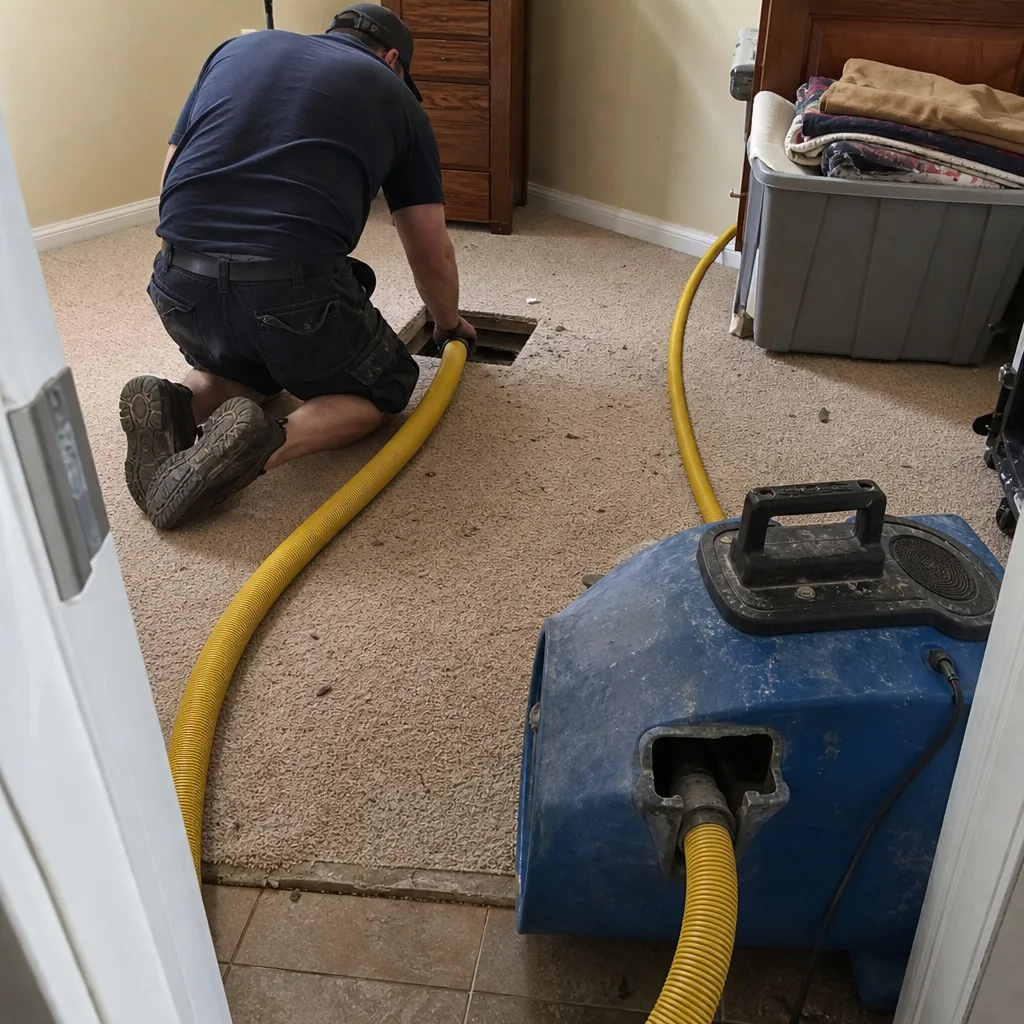 Before
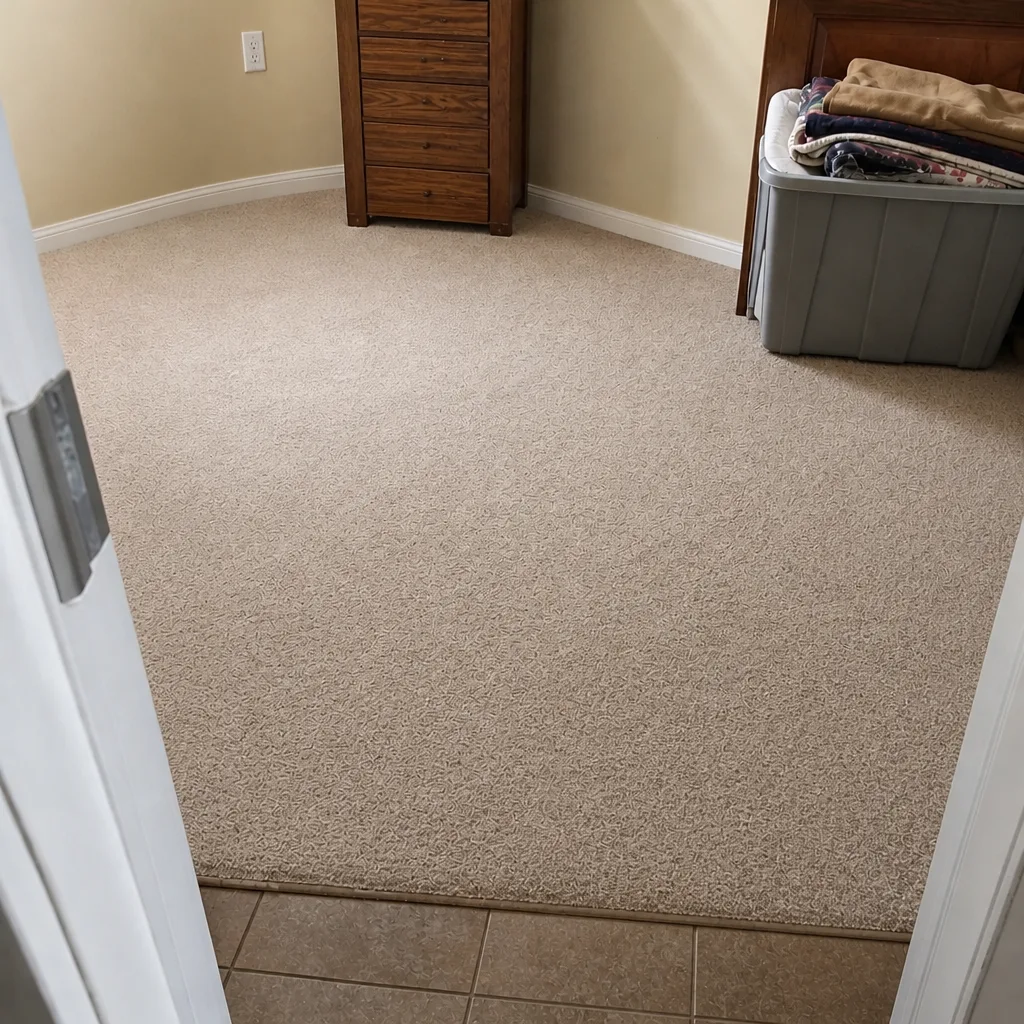 After