
Last updated November 25, 2026
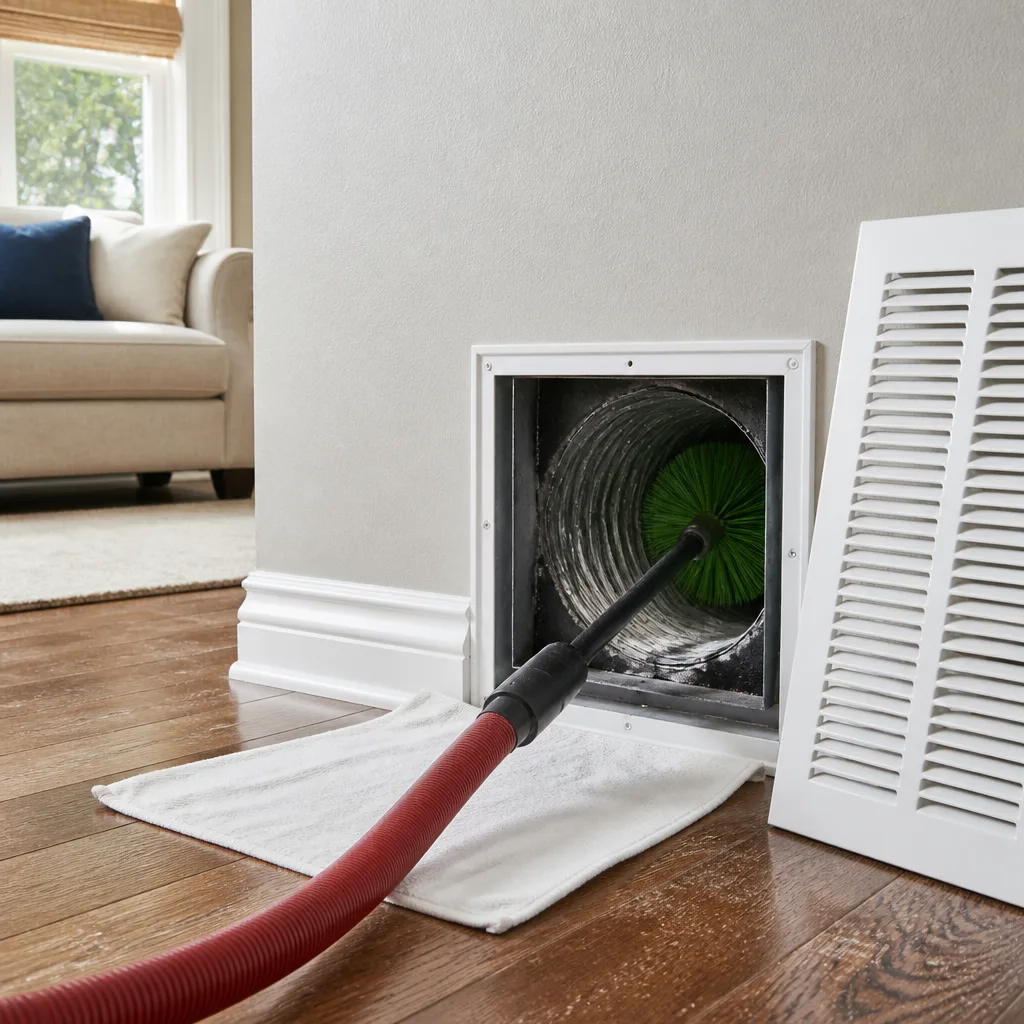
 Whole-home duct cleaning
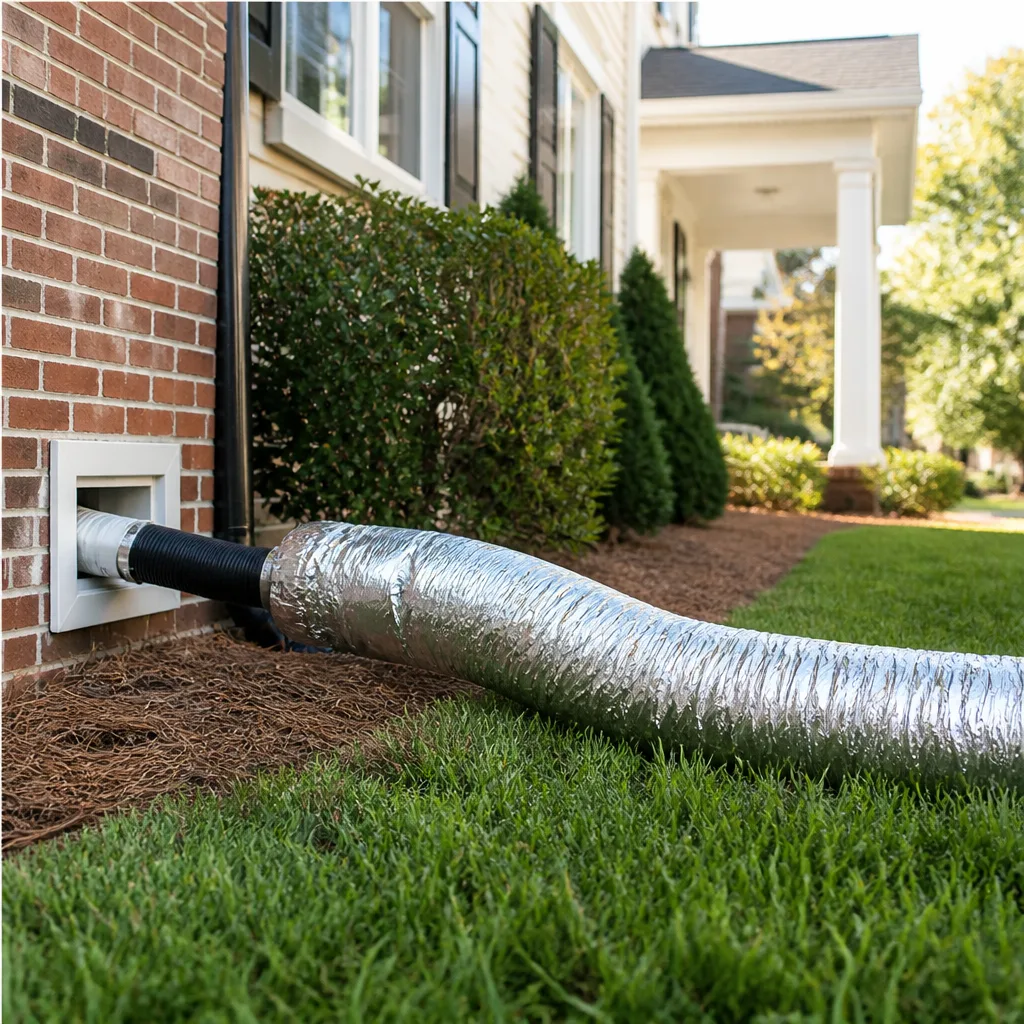
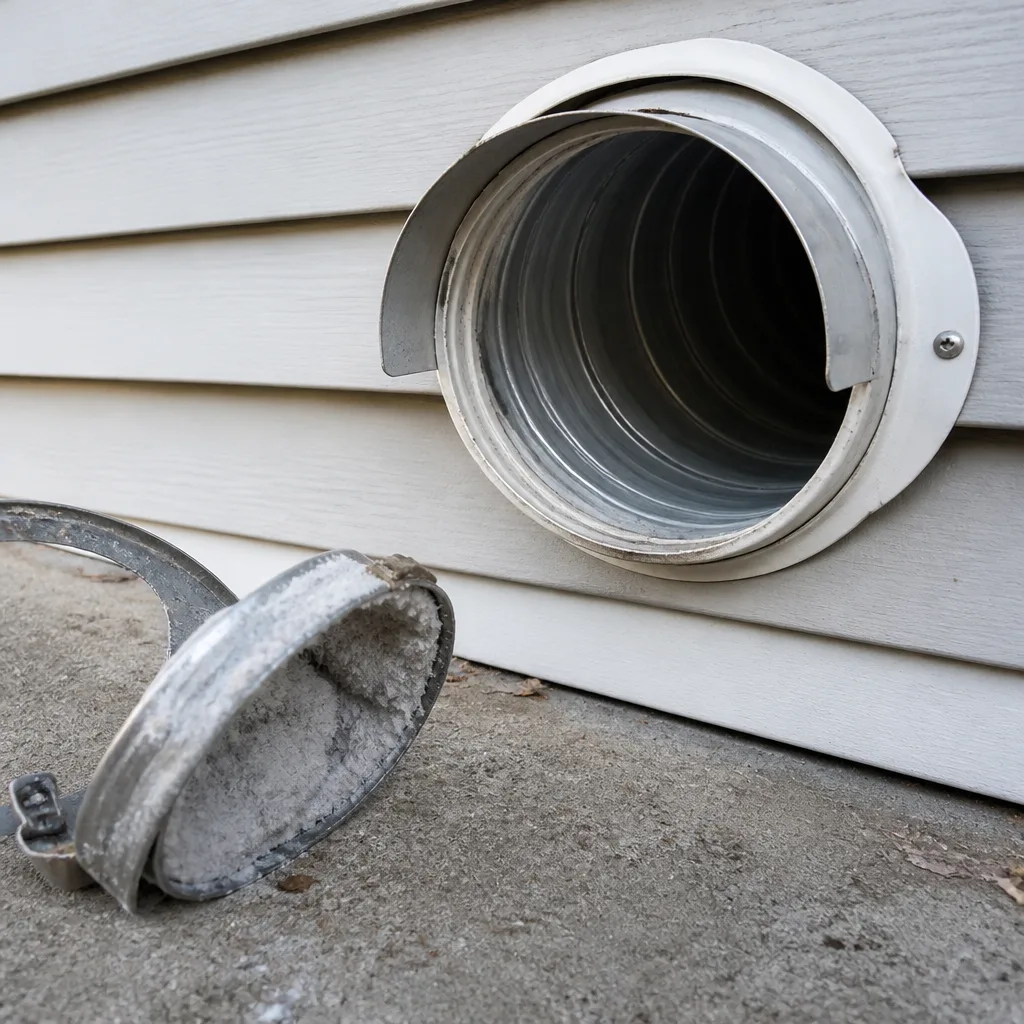 Dryer vent cleaning
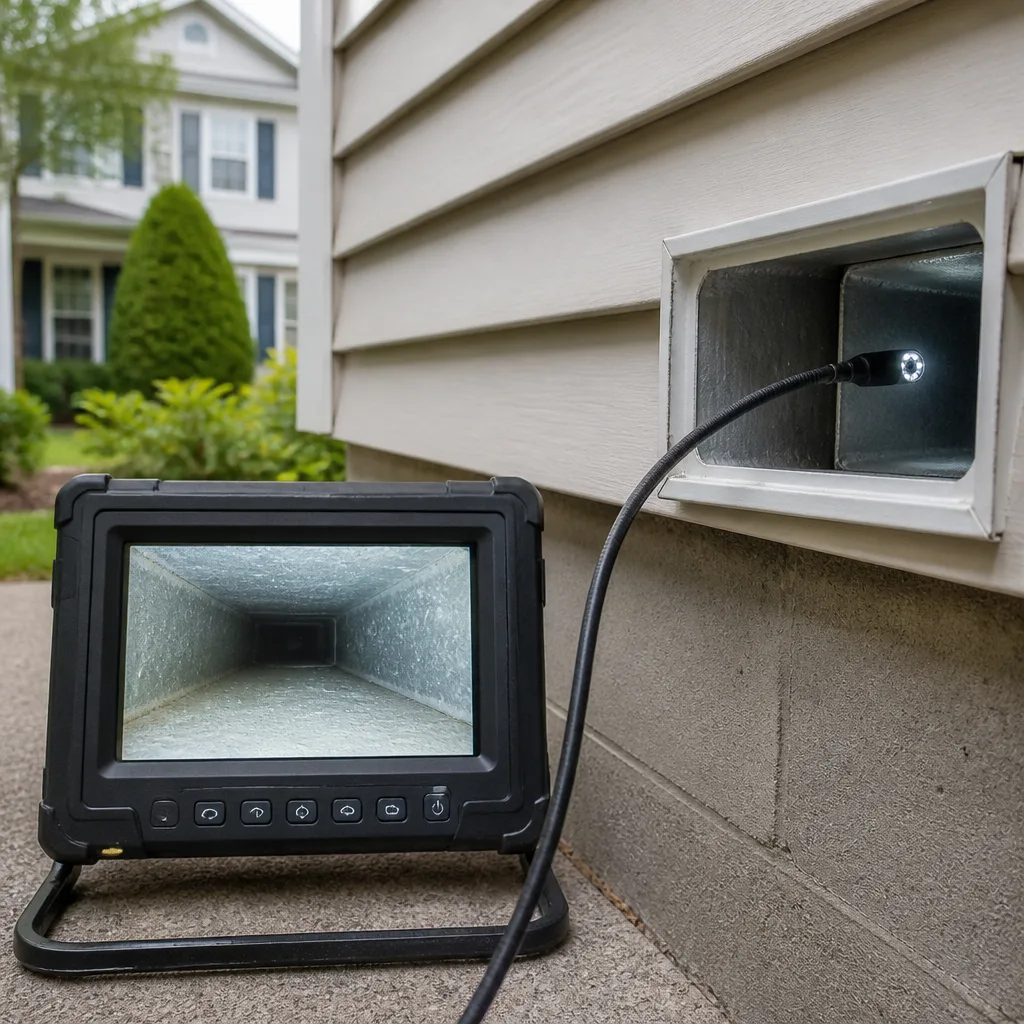 Camera inspection
 Sanitizing & deodorizing
Whole-system duct and dryer vent check with before-and-after photos - you see exactly what came out of your vents
That "$99 whole-house special" is a bait ad - the real number appears once they are in your hallway, or the "clean" is a shop-vac at the register. We photograph the inside of your ducts before and after instead.
Air Duct Cleaning Cost Breakdown: The Sandy Homeowner’s Reference for 2026
Two quotes for air duct cleaning in Sandy can sit $550 apart and both be honest. The difference is rarely margin. It’s equipment, labor time, and scope. A low quote often rests on a shop vacuum with a long hose; a serious quote rests on a collection unit pulling thousands of cubic feet per minute, a technician who will spend half a day in your home, and a written scope you can hold them to. This reference breaks down what each line item should cost in Sandy in 2026, how your home’s size and duct layout change the number, and how to read any quote you receive before you sign it.
Quick Answer
Air duct cleaning in Sandy in 2026 typically runs $300 to $700 for a whole-house system, with most single-family homes landing between $400 and $600 once every supply and return register, the main trunk, and the branch runs are included. Add $100 to $200 for dryer vent cleaning and $100 to $250 for a sanitizing treatment. Quotes far below that range usually cover far less work: a handful of vents, a short vacuum pass, and no return-side cleaning at all.
Styles & brands we work with
- Whole-home duct cleaning
- Dryer vent cleaning
- Camera inspection
- Sanitizing & deodorizing
Table of Contents
- Why Duct Cleaning Quotes in Sandy Vary So Widely
- Line-Item Cost Benchmarks for Sandy Homes in 2026
- What Changes the Price: Square Footage, Duct Count, Layout, and Material
- The Equipment Reality Behind a Higher Quote
- Legitimate Add-Ons Versus Pressure-Tactic Upsells
- How to Audit a Written Quote Before You Sign
- What a Post-Job Inspection Report Should Include
- How Often Ducts Really Need Cleaning in Sandy
Why Duct Cleaning Quotes in Sandy Vary So Widely
A duct cleaning quote is a scope document disguised as a price. When one Sandy company says $99 and another says $650, the second number usually buys a different job: full register count, both supply and return sides, negative-pressure containment, and a technician on site for three to four hours. The first number buys a coupon with conditions printed in small type.
We’ve watched this gap widen in the Sandy market as more out-of-area operators advertise into the valley. The pattern is consistent. A teaser price gets the truck to the door. Once inside, the technician explains that the advertised price covers “up to eight vents” or “surface cleaning only,” and the real invoice grows by the minute. Homeowners who ask for the scope in writing before booking avoid nearly all of this.
Three things drive a legitimate price in Sandy:
- Register count. A 1,800-square-foot ranch might have 14 registers; a 3,200-square-foot two-story with a finished basement might have 32. Each one takes time to remove, clean, and reset.
- Collection equipment. A truck-mounted or trailer-mounted vacuum with high CFM capacity is a capital purchase a coupon crew doesn’t carry.
- Containment and filtration. Professional setups use HEPA filtration so debris doesn’t migrate into living space. That’s equipment and setup time, both of which show up in the quote.
The simple test: ask what’s included, register by register, before you compare prices. A $99 quote and a $650 quote are rarely the same job with different margins. They’re usually different jobs.
Line-Item Cost Benchmarks for Sandy Homes in 2026
Here’s what each piece of a full-system cleaning should cost from a legitimate Sandy contractor in 2026. Use these as a sanity check, not a fixed quote: every home is different, and the written estimate sets the final price.
| Line Item | Typical Sandy Range (2026) | What It Covers |
|---|---|---|
| Main trunk line cleaning | $80 – $150 | The primary supply duct running from the air handler; usually the most debris-loaded section |
| Branch run cleaning | $8 – $15 per run | Individual ducts feeding each room from the trunk |
| Supply register cleaning | $3 – $8 per register | Removal, cleaning, and reset of each supply vent cover |
| Return register and return-side cleaning | $40 – $90 | The return-side ducting and register, often skipped by low-cost crews |
| Dryer vent cleaning add-on | $100 – $200 | Full dryer vent run; also reduces fire risk |
| Air sanitizing treatment | $100 – $250 | Antimicrobial fogging of the duct interior after cleaning |
| Duct sealing or repair | $150 – $600+ | Sealing leaks at joints and connections; more if sections need replacement |
| Full-system total | $300 – $700 | Trunk, branches, supply and return registers, return-side cleaning |
Notice that the full-system total is the sum of real components, not a bundle price pulled from thin air. When a quote arrives as a single lump sum with no breakdown, ask for the itemized version. Any legitimate contractor should be able to produce one from the register count alone.
For homeowners with a dryer vent that’s never been cleaned, the add-on is worth the cost. Lint buildup is a real fire hazard, and the dryer vent cleaning line item is one of the few in this trade with a genuine safety payoff.
What Changes the Price: Square Footage, Duct Count, Layout, and Material
Square footage is the number most homeowners guess at, but duct count and layout matter more. A 2,400-square-foot open-plan ranch with a single-zone system can be faster to clean than a 1,900-square-foot two-story with a basement that has two air handlers and a spider of branch runs. Price follows the duct work, not the floor plan.
Four factors move a Sandy quote most:
- Duct count and register count. This drives labor time more than anything else. Each register is pulled, cleaned, and reset by hand.
- System configuration. Single-story slab homes often have shallower and more accessible ductwork. Two-story homes with a finished basement frequently have a second zone and longer runs, which means more time and more registers.
- Duct material. Sheet metal duct is straightforward to clean with rotary tools. Flex duct requires lower pressure and more careful technique because the liner can tear. A home with a mix of both takes longer.
- Access and condition. A basement that’s been finished over old duct access makes setup slower. Duct interiors with heavy debris, prior water intrusion, or pest activity require more passes.
Sandy’s housing stock varies block by block. Homes in older subdivisions closer to the valley floor often have sheet metal duct with years of settled debris in the trunk line, and the contrast before and after cleaning is dramatic. Newer builds in the eastern foothills tend to be flex-heavy and tighter, which shortens some steps but requires gentler handling. Neither type is harder to price, but they’re priced against different scopes, and the written estimate should reflect which one you have.
The dry Utah climate matters too. Low indoor humidity in winter means dust stays fine and airborne longer instead of clumping and settling in one place. That finer dust can travel farther into branch runs and the return side, which is one reason skipping the return-side cleaning is a false economy in this market.
The Equipment Reality Behind a Higher Quote
A higher quote usually reflects a bigger capital stack sitting in the driveway. Professional duct cleaning uses a collection unit powerful enough to create negative pressure across the whole duct system while the technician works. That’s not a shop vacuum with a hose adapter. It’s a dedicated machine, and its cost per job is real.
Three equipment categories drive the equipment line in a quote:
- Negative-pressure collection units. Truck-mounted or trailer-mounted units with high CFM capacity pull debris out of the system instead of stirring it loose. The machine cost, maintenance, and fuel are all baked into a legitimate price.
- Rotary agitation tools. Rotobrush and Nikro rotary heads feed a whip through the duct to knock debris off the walls. Consumer tools can’t reach the same pressure or coverage.
- HEPA filtration and containment. Abatement Technologies filtration systems and similar equipment keep the workspace clean. Without them, a “cleaning” can spread debris through the house.
We use professional-grade equipment from Rotobrush, Nikro, and Abatement Technologies on every job. These are the brands commercial and restoration crews spec, not consumer machines with a bigger sticker. That’s the “professional-grade equipment, residential care” standard we hold, and it’s why a quote from us rarely lands at the bottom of a price list.
None of that excuses a vague number. If a contractor can’t explain their equipment or their CFM capacity when you ask, the quote doesn’t mean much. A technician with up to 15 years of experience will know those numbers by heart.
Legitimate Add-Ons Versus Pressure-Tactic Upsells
Some add-ons are genuine scope you should consider. Others are theater. The line between them is documentation: a real add-on is backed by a measurement, a sample, or a visible defect you can see with your own eyes. A pressure-tactic upsell is backed by a technician’s urgent tone.
Legitimate add-ons:
- Duct sealing. Leaky joints waste heated and cooled air before it reaches the room. If a technician points to visible gaps and offers to seal them, that’s a real efficiency fix.
- Duct repair. Torn flex runs, disconnected joints, or crushed sections reduce airflow. We repair what we find, which is a step most cleaning-only crews can’t take.
- Dryer vent cleaning. Straightforward lint removal. Ask to see the vent line if you’re unsure.
- UV or advanced filtration installs. Compatible with Honeywell and Aprilaire product lines. Only worth it if you’ve discussed the specific air quality concern first.
- Air sanitizing after a real event. If there’s been water intrusion, pest activity, or a mold smell and sampling confirms it, sanitizing makes sense. Without sampling, it’s guesswork.
Pressure-tactic upsells:
- “Mold treatment” offered without any sampling or photo documentation. Real sanitizing uses documented protocols like Guardsman-backed treatments after identification.
- “Your whole system needs replacing” from a cleaning technician. That’s a separate conversation, usually with an HVAC contractor, not a decision to make on the spot in your hallway.
- “This is urgent, we can only honor that price today.” A legitimate quote holds for a reasonable period and comes in writing.
The clearest test: ask for the documentation behind the recommendation. A real add-on has a measurement, a photo, or a sample behind it. A pressure tactic has urgency.
How to Audit a Written Quote Before You Sign
A written quote is only useful if it’s specific enough to hold the contractor to. Here’s how to read one in Sandy, item by item:
- Confirm register count. The quote should state how many supply and return registers it covers. If it says “up to X registers,” ask what happens at register X+1.
- Check return-side inclusion. A full-system price should include return-side cleaning. If it doesn’t, ask why.
- Look for the equipment description. A legitimate quote should identify the collection equipment and containment used. Vague language like “professional tools” tells you nothing.
- Verify the warranty or guarantee in writing. Any satisfaction guarantee should be stated in the quote, not spoken at the door.
- Ask for the inspection report sample. A real contractor should be able to show you what a post-job report looks like before you book.
- Confirm the price is one flat figure per system. Not per-vent, not per-hour, not subject to adjustment based on what’s found once the technician is inside. One price agreed before work starts.
We work with Honeywell and Aprilaire filtration and air-treatment products when a customer wants to upgrade filtration after cleaning. If a quote from us includes those, it’ll be itemized with the product name, not bundled into an unlabeled line item.
If the written quote reads like a service-specific scope rather than a marketing sheet, that’s a good sign. If it’s a coupon with fine print, the price on the top isn’t the price you’ll pay. For a full look at our air duct cleaning scope, the page spells out what’s covered.
What a Post-Job Inspection Report Should Include
A post-job inspection report is your proof the work happened. Without one, you’re relying on a verbal “all done” from a technician already packing up. In Sandy, a good report has four things:
- Before-and-after photos of your own ducts. Not stock photos. Registers, trunk line, and at least one branch run, photographed before cleaning and after.
- Register count verified. How many registers were cleaned, matching the quote.
- Findings section. Anything the technician noticed: torn flex, disconnected joints, moisture, debris in the return side, or dryer vent lint. This is where repair recommendations should originate.
- Service summary. What was cleaned, what was sanitized, and what equipment was used.
Ask for this report in the original quote conversation. Any contractor who can’t describe it clearly probably doesn’t produce one. The Sandy Air Duct Cleaning Pros team uses before-and-after photos on every job for exactly this reason: it’s the easiest way to confirm work was done.
The report also feeds the next decision. If the photos show a leak, the repair recommendation is grounded. If the return side was clean, you know you don’t need cleaning again for a few years.
How Often Ducts Really Need Cleaning in Sandy
Most homes in Sandy don’t need annual duct cleaning. A typical single-family home with a healthy HVAC system, regular filter changes, and no pets or smokers usually goes three to five years between cleanings. Some homes go longer. The “clean every year” recommendation is a sales pitch, not an industry standard.
What actually signals that it’s time:
- Visible debris puffing out of registers or collected on the vent grille
- A musty or stale smell when the HVAC cycles on
- Allergy flare-ups that follow the heating and cooling season
- Noticeably uneven airflow between rooms that share the same zone
- Recent renovation, water intrusion, or pest activity
If any of those are present, cleaning makes sense. If they aren’t, save the money for a filter upgrade or a duct sealing job that fixes airflow at the source. Our HVAC cleaning service combines coil, drain pan, and blower cleaning with the duct work, which is often what a home actually needs when the symptoms point to the whole system rather than just the ducts.
Common Mistakes to Avoid
- Booking on price alone. A $99 quote is almost always a coupon with conditions. Ask for the itemized scope before you compare it to a $650 quote; they’re not the same job.
- Letting a technician clean “only the supply side.” Return-side ducting collects just as much debris, and skipping it is a common shortcut. Any quote should include the return side.
- Approving a mold treatment without sampling. Real sanitizing follows documented identification. If a technician claims mold and won’t take a sample, decline and get a second opinion.
- Skipping the dryer vent because the ducts were the focus. The dryer vent is separate scope with its own fire risk. Ask for it as an add-on once, not as a repeat service-call fee.
- Taking a verbal guarantee. Sandy’s dry climate and varied housing stock mean job conditions differ from home to home; a written satisfaction guarantee is what’s enforceable.
- Believing annual cleaning is mandatory. For most Sandy homes, three to five years between cleanings is the realistic cadence. Annual cleaning is a sales pattern, not a health standard.
- Signing a quote without photos-included agreement. Without a written commitment to before-and-after photos, you have no way to verify the work was done.
See the difference
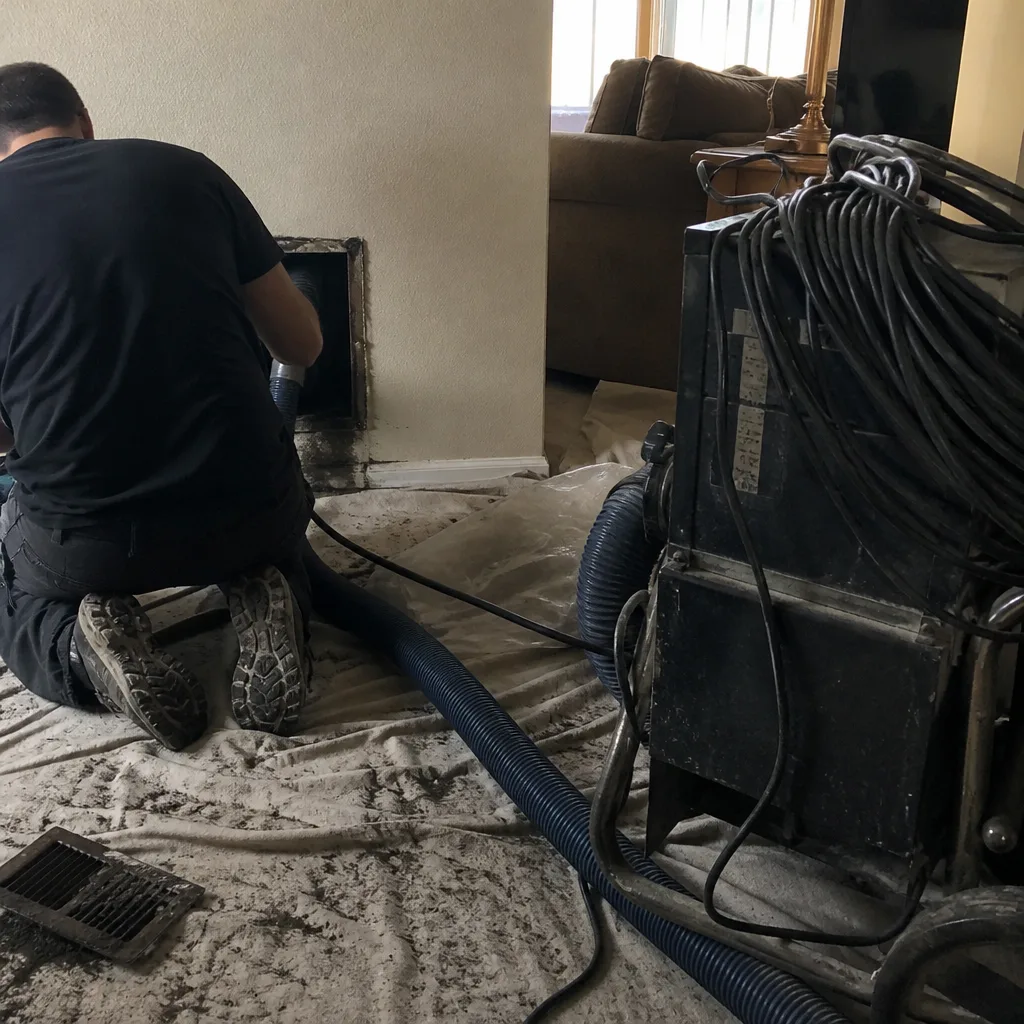 Before
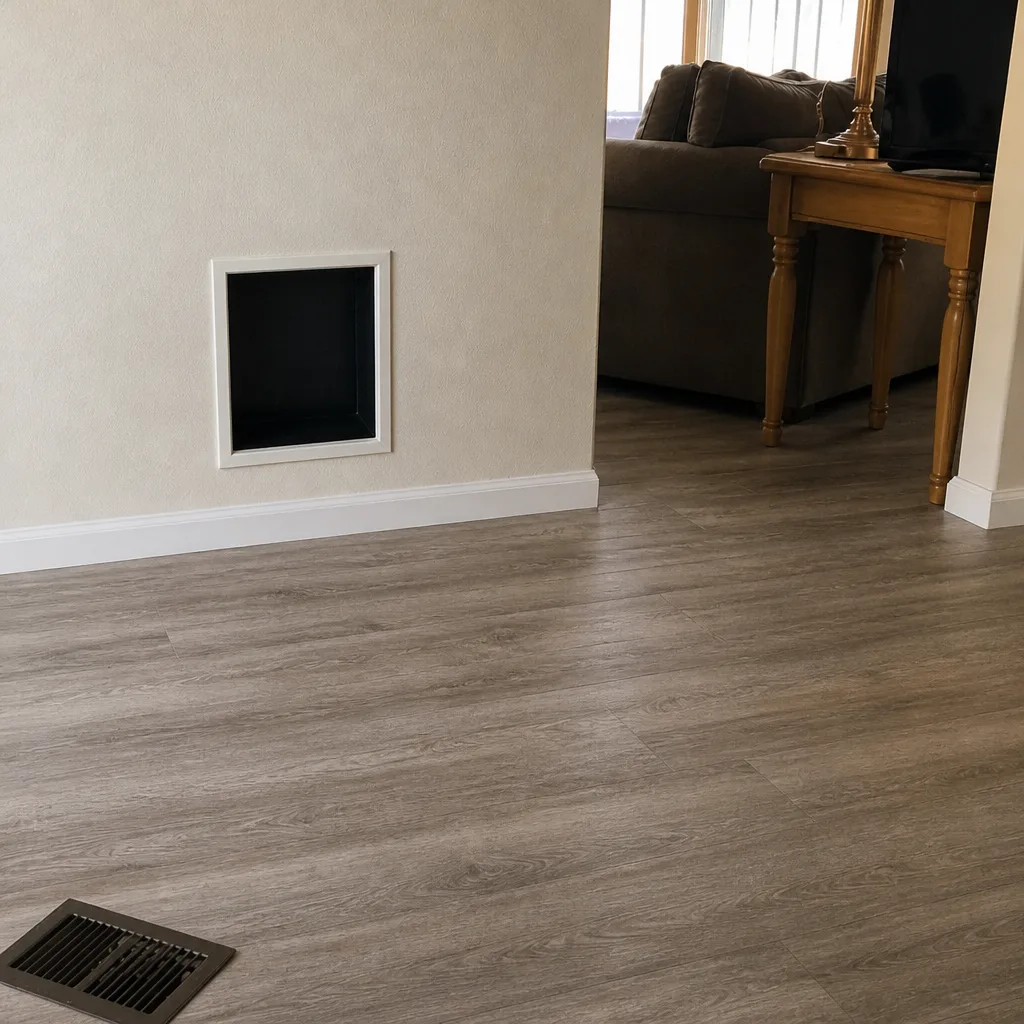 After
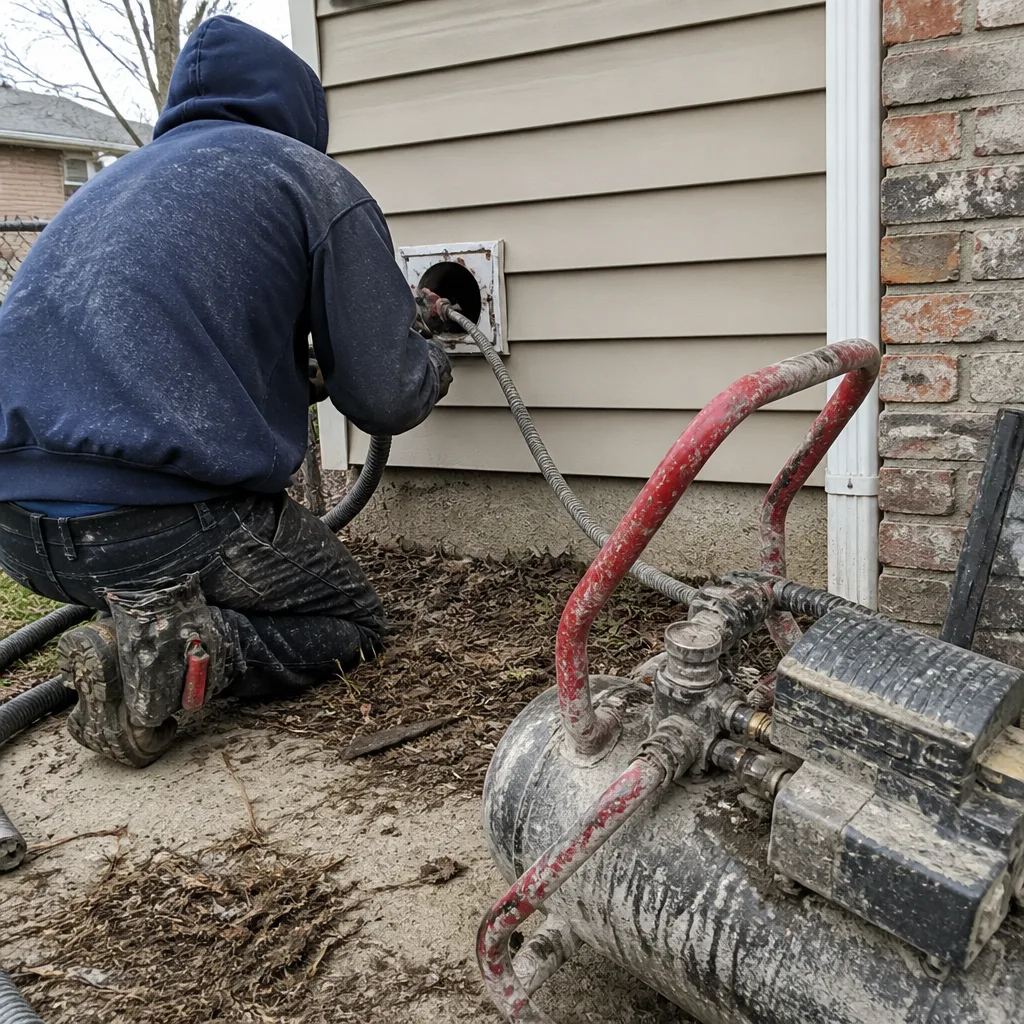 Before
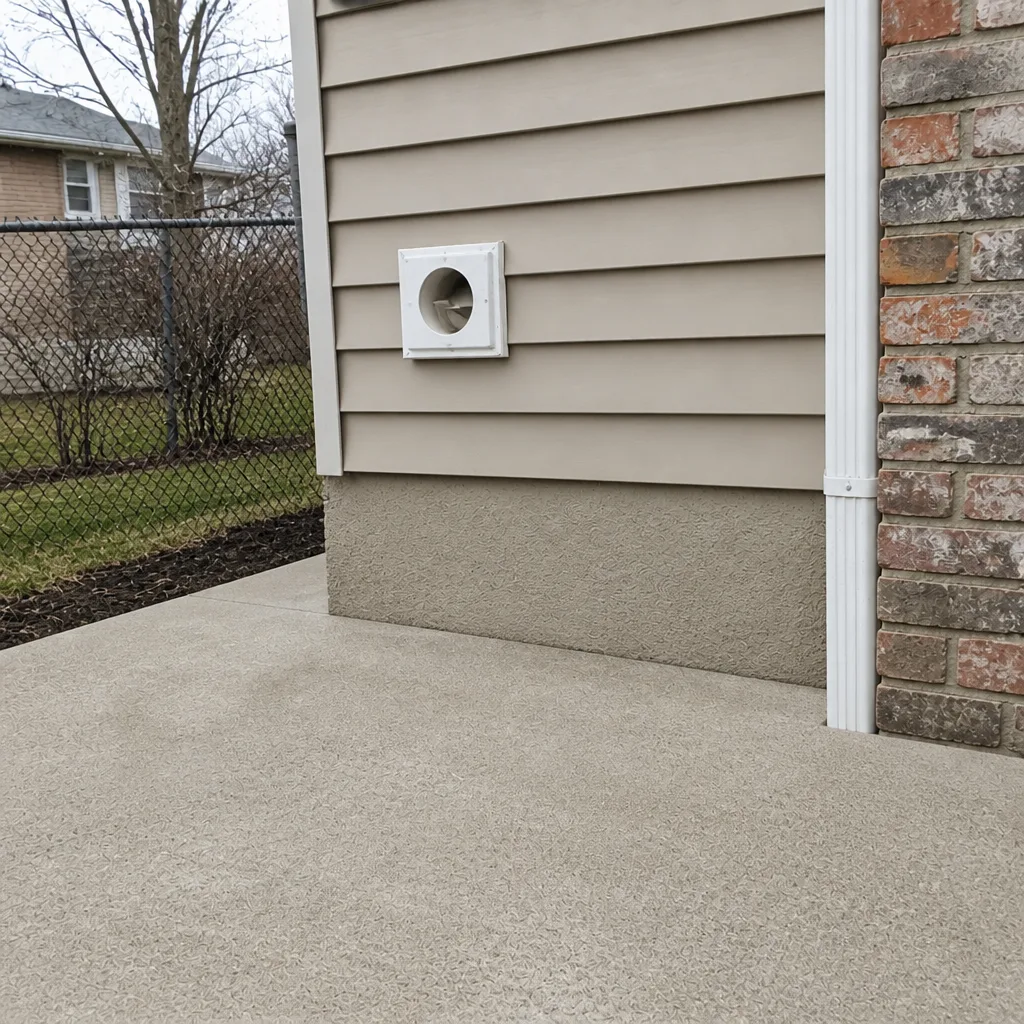 After
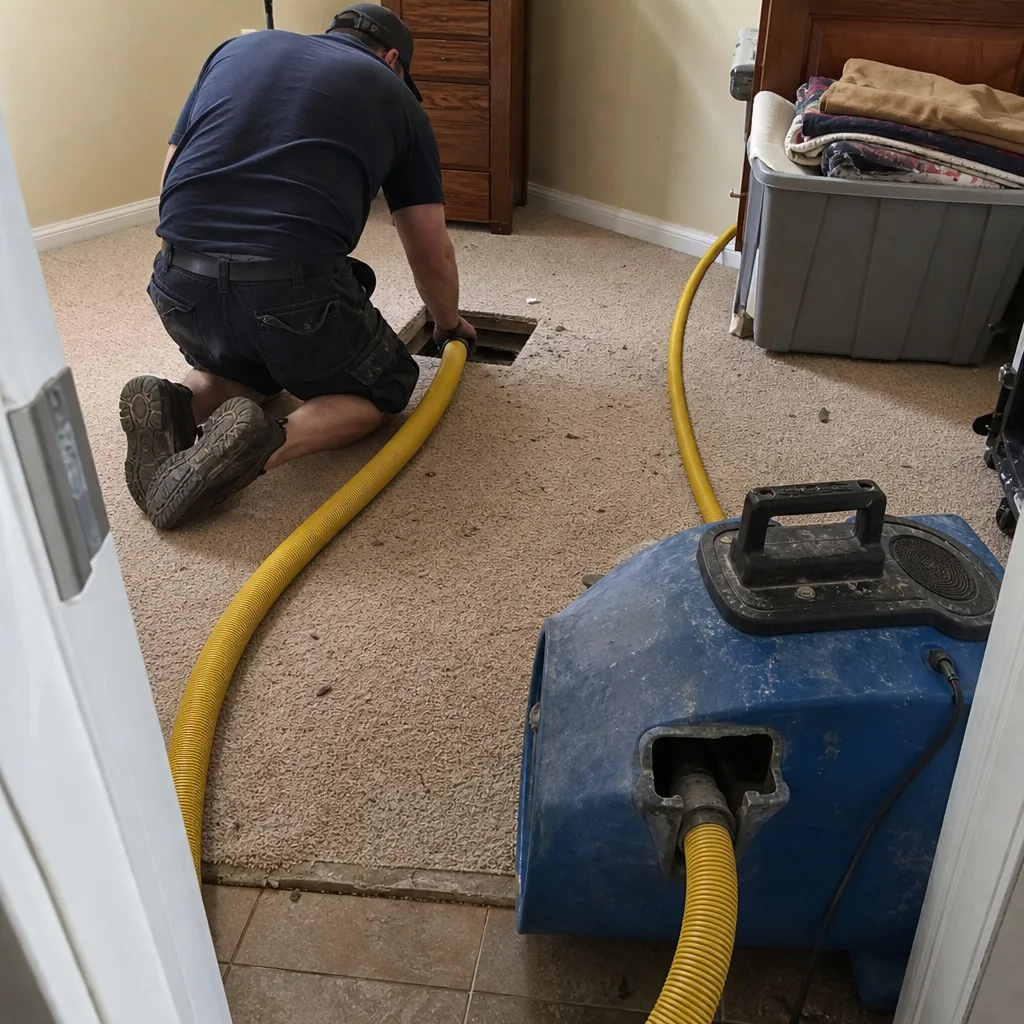 Before
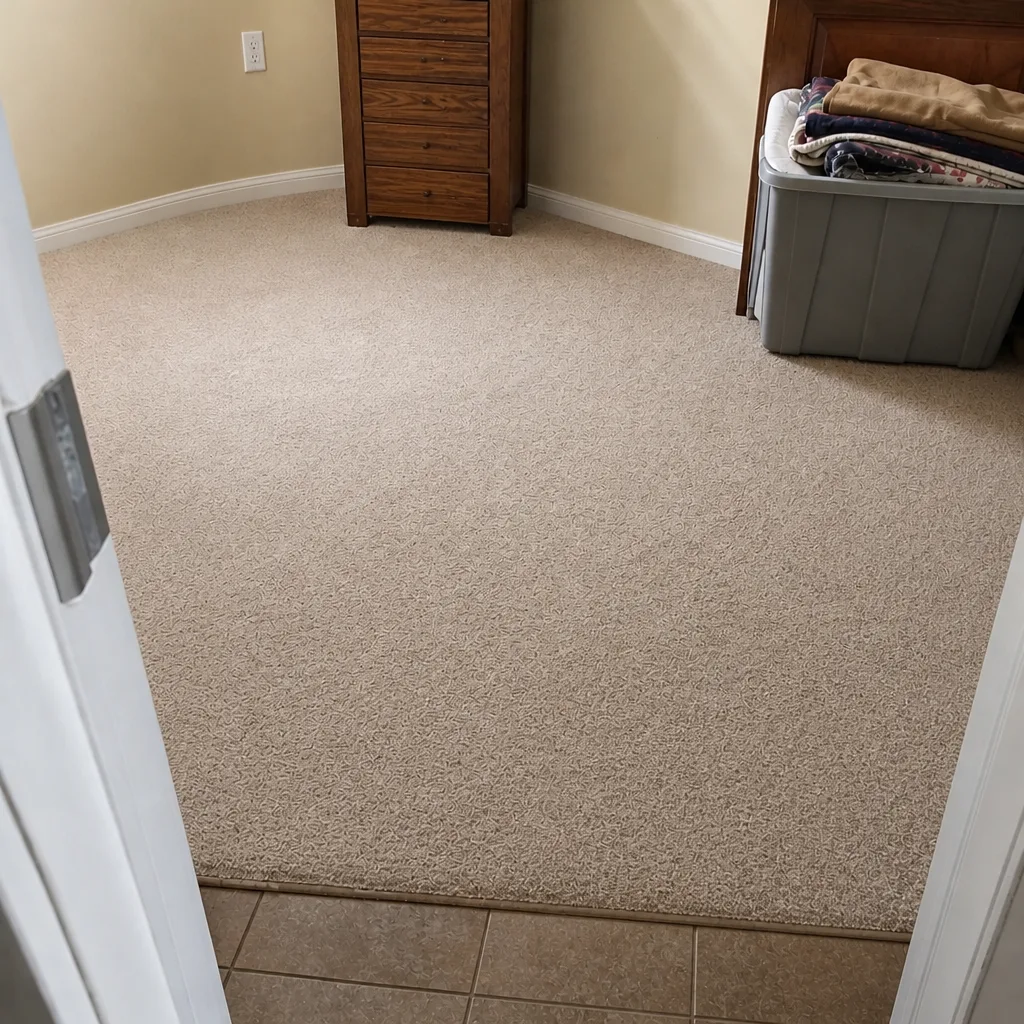 After
When to Call a Professional
Some duct issues announce themselves and some don’t. Call a professional in Sandy when you see visible debris or dust streaks at the registers, smell a musty odor when the system cycles, notice airflow that’s clearly uneven between rooms, or need a dryer vent checked because the dryer is taking longer to dry. Call after a renovation that kicked up drywall dust, after water intrusion, or if you’ve spotted pest activity in the HVAC closet. And call if a prior quote didn’t make sense: a written itemized quote is the fastest way to tell a real job from a marketing pitch. Sandy Air Duct Cleaning Pros offers free estimates in Sandy. Call (833) 858-9278. We answer 24/7. Fast dispatch from 7am to 7pm, Sunday through Friday.
Frequently Asked Questions
Most Sandy homes land between $400 and $600 for a full-system cleaning in 2026, and the wider range is $300 to $700 depending on register count, layout, and duct material. A full-system price covers the trunk line, all branch runs, supply registers, and the return side. Quotes below $200 usually cover a fraction of that scope. Call (833) 858-9278 for an exact quote; estimates are free.
Cheap quotes usually buy less work: fewer registers, no return-side cleaning, and consumer-grade equipment instead of professional collection units. The gap isn’t margin, it’s scope and equipment. Ask for the itemized quote so you can compare apples to apples. Call (833) 858-9278 for a written estimate that spells out exactly what’s included.
Ask for before-and-after photos of your own ducts, a register count that matches the quote, and a findings summary of anything the technician noticed. Without those three, you’re trusting the technician’s word. We shoot photos on every job for this reason. Call (833) 858-9278 to book a cleaning with documented results.
Most Sandy homes go three to five years between cleanings, sometimes longer with regular filter changes. Annual cleaning isn’t a standard unless you have pets, smokers, or recent renovation in the house.
If the dryer vent has never been cleaned, yes, and it’s worth the $100 to $200 add-on. Lint buildup in the vent line is a real fire hazard independent of duct condition. Ask for it in the same visit to avoid a separate trip charge. Call (833) 858-9278 and we’ll quote it alongside the duct work.
A full quote should list register count, confirm return-side cleaning, name the collection equipment and containment used, state the warranty in writing, and give one flat price per system agreed before work starts. If any of those are missing, ask before booking. Call (833) 858-9278 for an itemized quote.
The Bottom Line
Air duct cleaning quotes in Sandy vary because the jobs vary, not because the margins do. A $650 quote typically buys professional-grade collection equipment, four hours of technician time, both supply and return-side cleaning, and a documented inspection report. A $99 quote usually buys a fraction of that scope with an upsell attached. Price your job against the line-item table in this guide, ask for the itemized scope, and confirm the price is flat per system before any work starts. The number on the quote matters less than what sits behind it.
Call (833) 858-9278 for a free estimate. We answer 24/7. Fast dispatch from 7am to 7pm, Sunday through Friday.
Written by the team at Sandy Air Duct Cleaning Pros.