
Last updated November 25, 2026
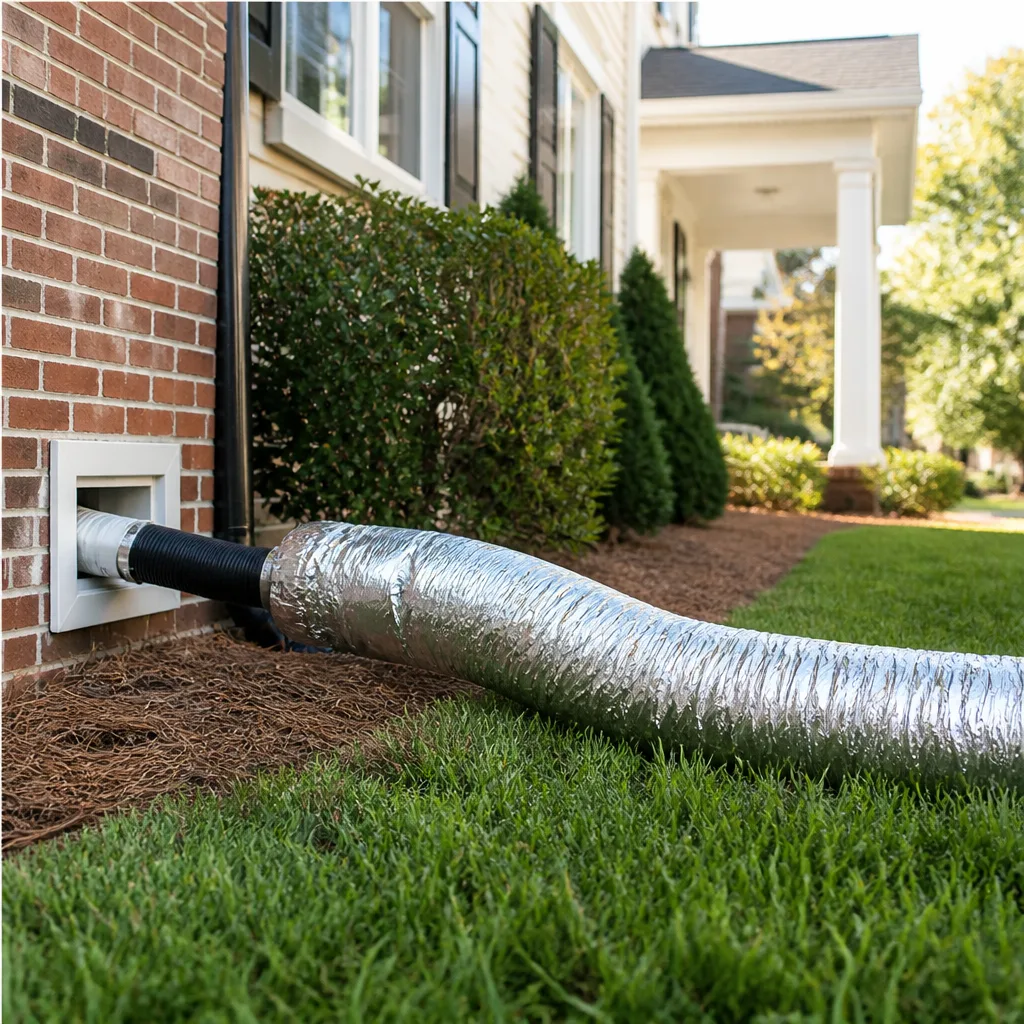 Whole-home duct cleaning
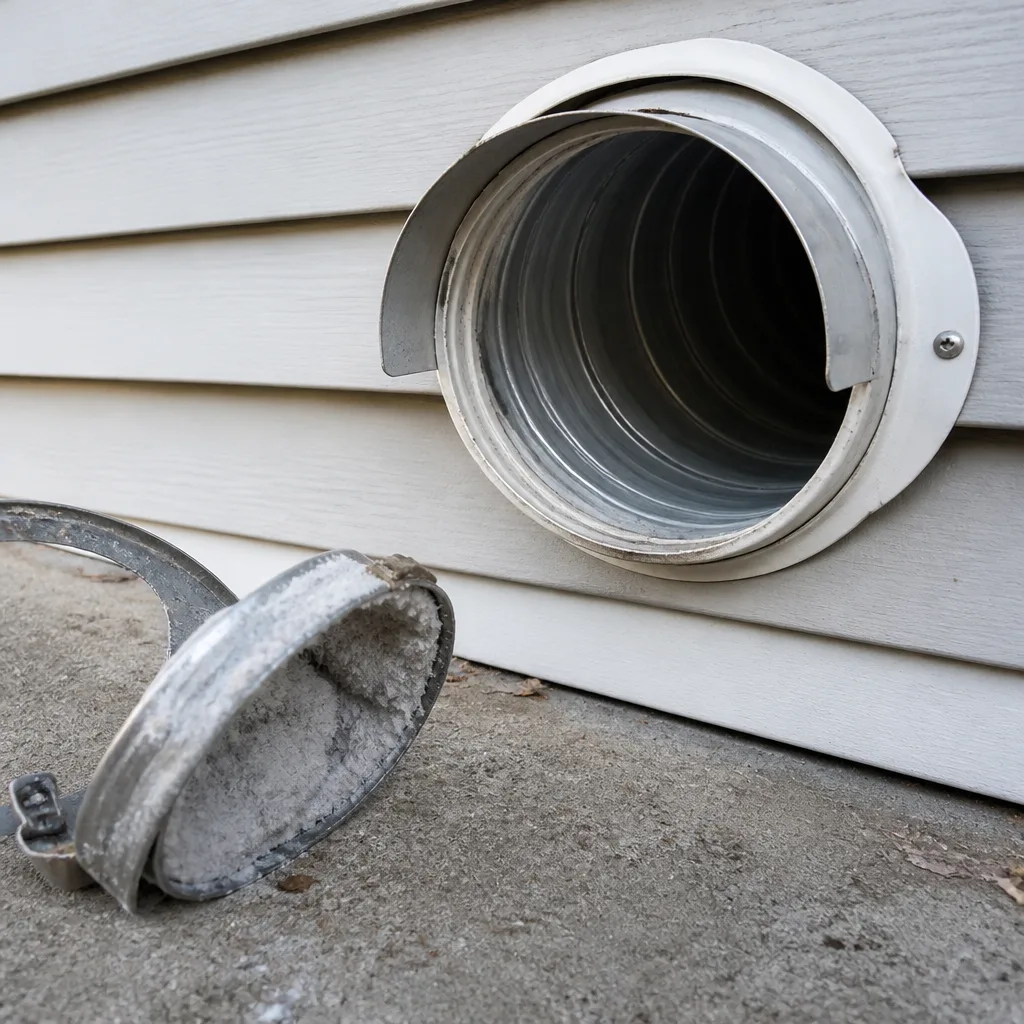 Dryer vent cleaning
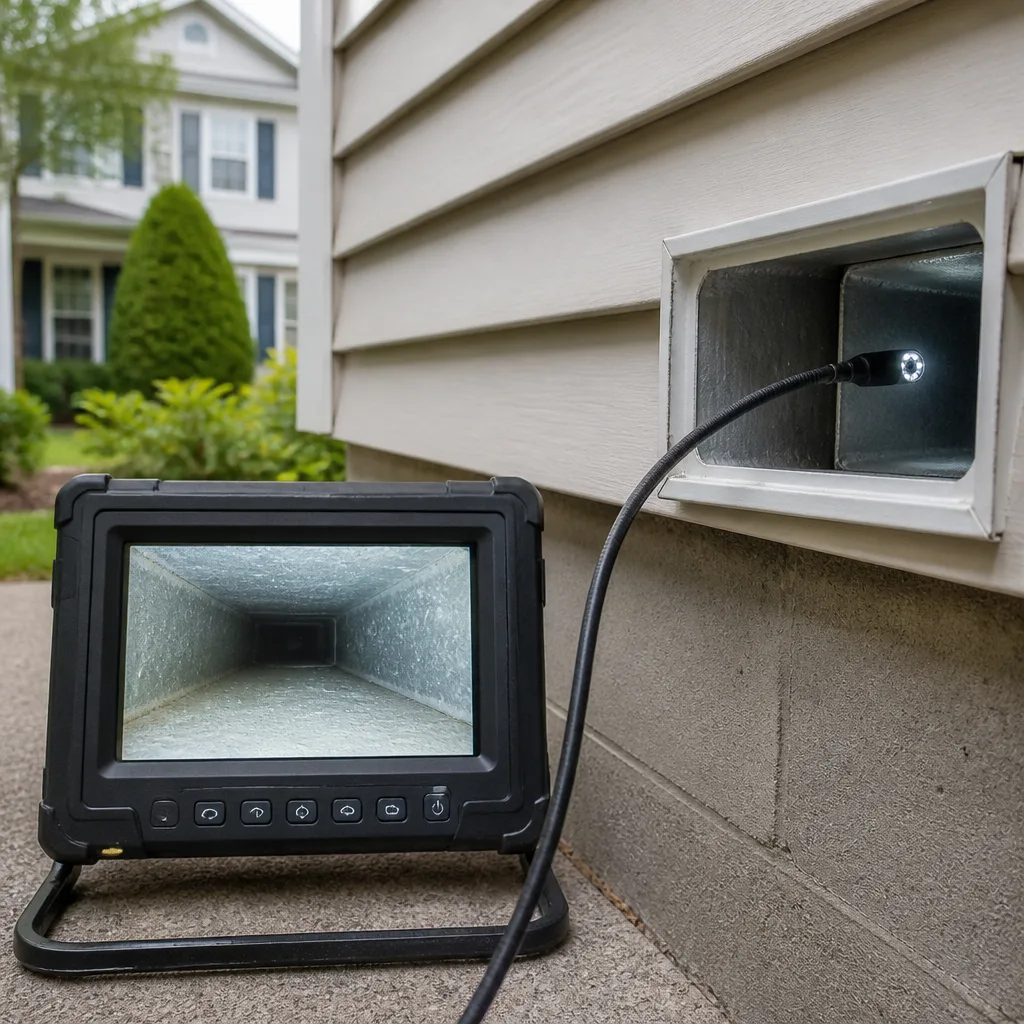 Camera inspection
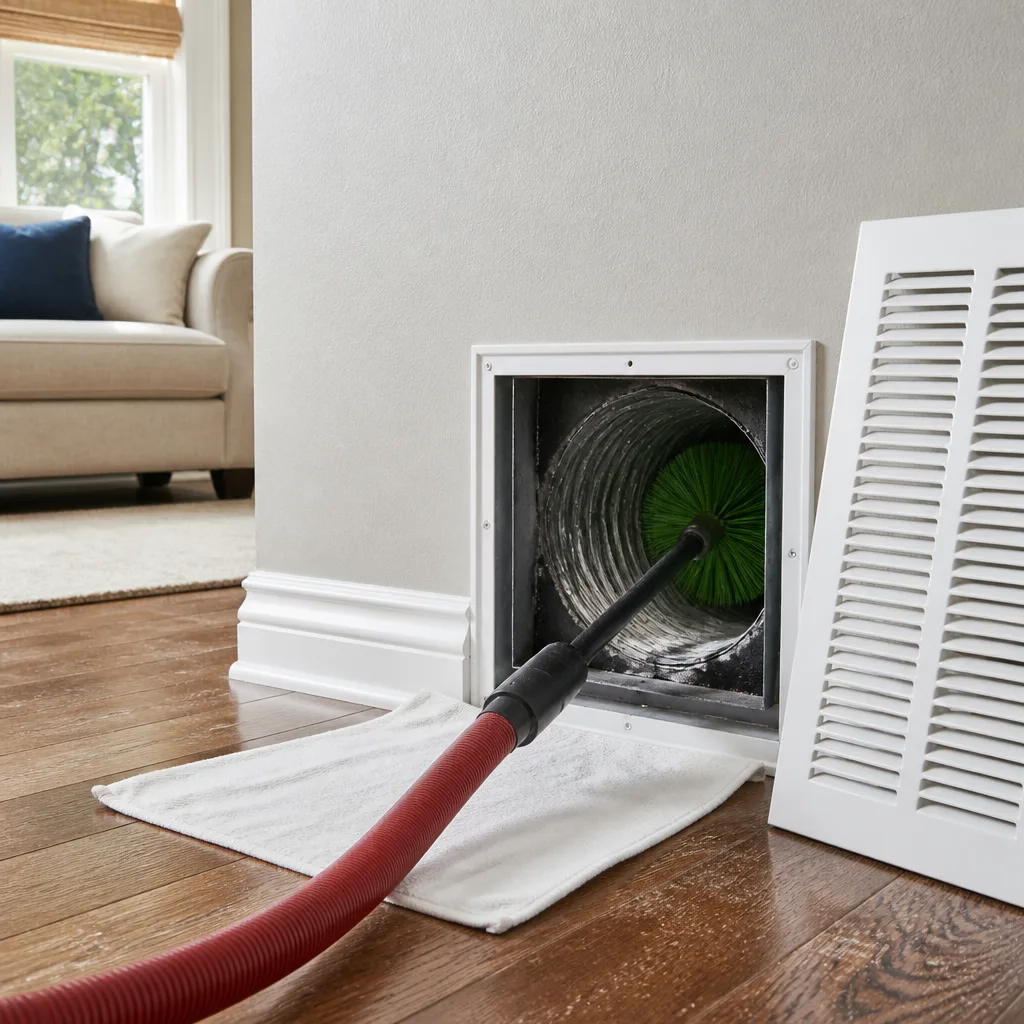 Sanitizing & deodorizing
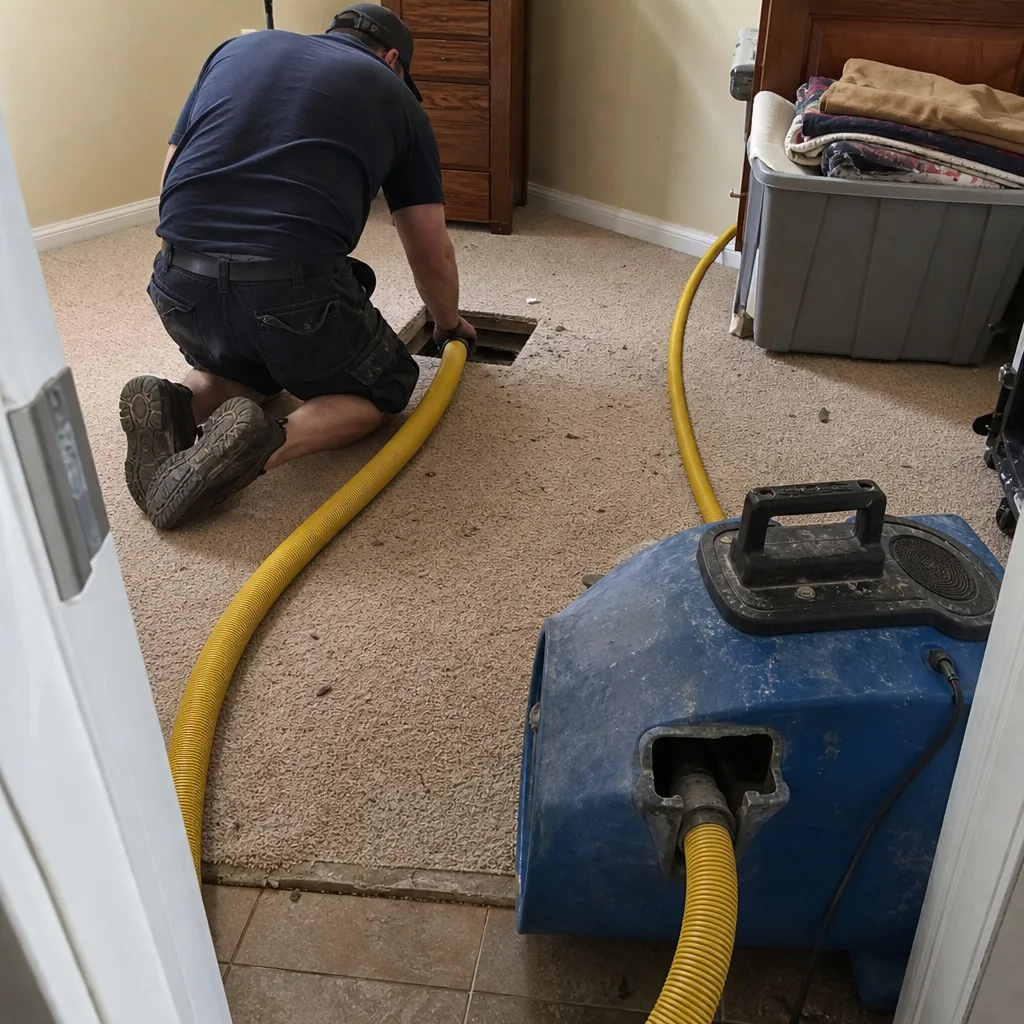
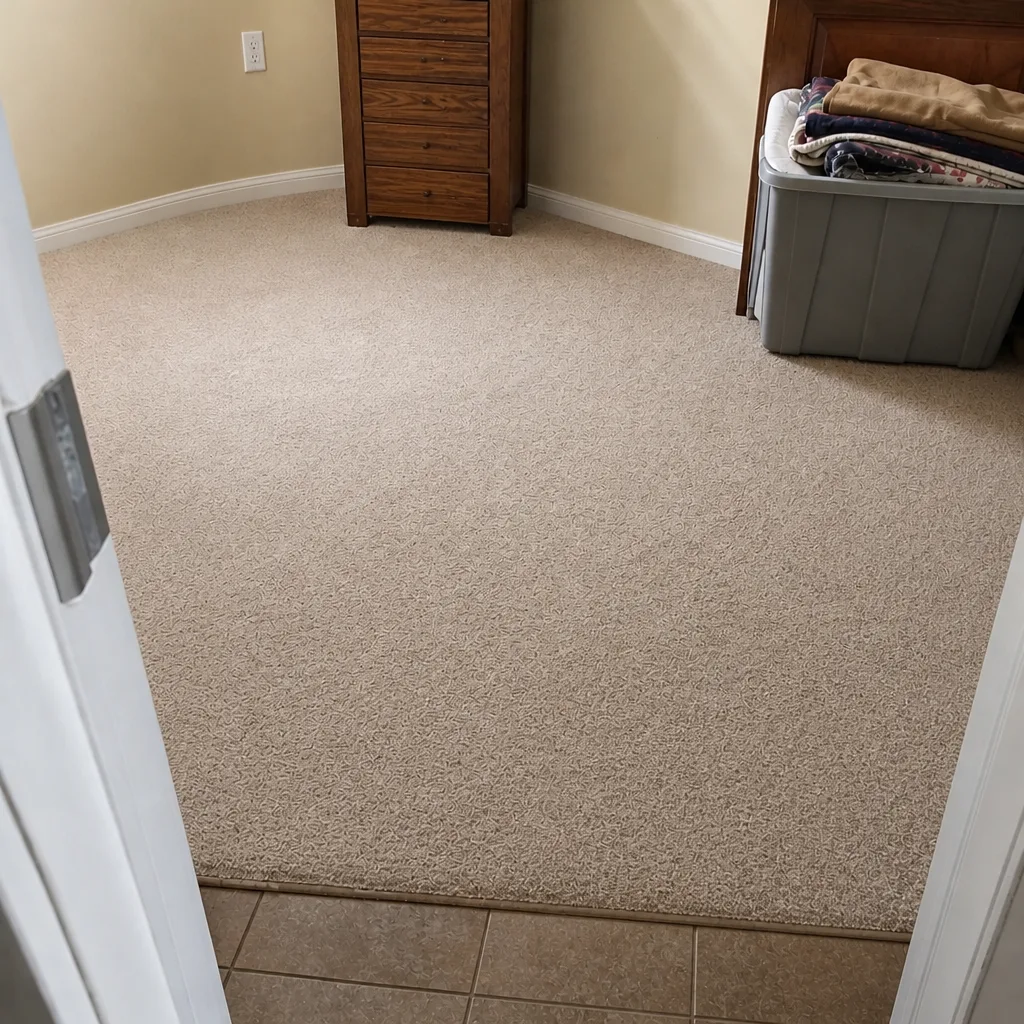
Whole-system duct and dryer vent check with before-and-after photos - you see exactly what came out of your vents
That "$99 whole-house special" is a bait ad - the real number appears once they are in your hallway, or the "clean" is a shop-vac at the register. We photograph the inside of your ducts before and after instead.
Seasonal Air Duct Cleaning Care for Sandy: Year-Round Homeowner’s Guide
Most homeowners treat duct cleaning as a once-every-few-years box to check. That approach misses something important about Sandy. This city doesn’t have one air-quality season; it has four, and each one loads your ducts with a different kind of debris. Winter inversion season pushes fine particulate into the valley floor and through your return air. Spring buries the filter rack in cottonwood and maple pollen. Summer brings wildfire smoke that behaves nothing like dust. Fall delivers the furnace startup, when months of settled debris burns off in one hot cycle. If you clean once and forget, you’re always working from behind. What follows is a season-by-season care plan, built for Sandy homes, that keeps a professional cleaning holding its value instead of fading by the next spring.
Quick Answer
Year-round air duct care in Sandy means matching maintenance to each season’s specific threat: upgraded filtration and return-side checks during winter inversion, filter-bypass inspections in spring pollen season, MERV-rated smoke filtration and recirculation settings in summer wildfire months, and a furnace-startup inspection each fall. Cleaning intervals should flex with what your filters and ducts actually collect, not a fixed calendar date. A 12-month log of filter changes and seasonal observations tells you when to shorten the interval.
Styles & brands we work with
- Whole-home duct cleaning
- Dryer vent cleaning
- Camera inspection
- Sanitizing & deodorizing
Table of Contents
- Why Sandy’s Four Seasons Stress Your Ducts Differently
- Winter (December – February): Inversion Season and Your Return Air
- Spring (March – May): Pollen, Cottonwood, and Filter Bypass
- Summer (June – September): Wildfire Smoke and the Right MERV Rating
- Fall (October – November): The Furnace Startup Checklist
- Building a 12-Month Maintenance Log
- Signs Your Ducts Need Attention Before the Season Changes
- Common Mistakes to Avoid
- When to Call a Professional
- Frequently Asked Questions
Why Sandy’s Four Seasons Stress Your Ducts Differently
Your duct system is a fixed piece of infrastructure sitting inside a climate that changes character four times a year. The ducts themselves don’t change. What moves through them does, and so does what settles on the interior surfaces. In Sandy, those shifts are sharp enough that a single annual cleaning schedule can leave you a full season behind.
Think about what each season delivers to the return side of the system:
- Winter brings temperature inversions that trap fine particulate at valley floor level, raising the particulate load pulled into return air.
- Spring releases cottonwood and maple pollen in volumes that challenge any filter rack, and expose gaps where unfiltered air slips past.
- Summer brings wildfire smoke – sub-micron particles that most standard filters were never designed to capture.
- Fall delivers the first furnace heat cycle, which burns off accumulated dust and circulates that smell through every room.
Each of these is a distinct contamination event with a different particle size, a different behavior inside the duct, and a different best response. Treating them as one annual problem means the spring pollen load sits on top of leftover winter particulate, and the fall startup pushes both through the house. A seasonal strategy doesn’t just keep the ducts cleaner – it extends how long a professional cleaning actually holds. In our experience, Sandy homes that match maintenance to the season get noticeably more mileage out of the same cleaning than homes on a blind calendar interval. That’s the case for seasonal care in one idea: work with the calendar instead of against it.
Winter (December – February): Inversion Season and Your Return Air
Winter in Sandy means temperature inversion days, when a layer of warmer air traps colder air – and everything in it – at valley floor level. The particulate that would normally disperse instead sits where homes draw their air, and your HVAC system keeps pulling it in through the return.
This is the season when the return-air particulate load rises, and the filter becomes the first line of defense. Three practical moves make a difference:
- Check the filter monthly, not quarterly. Inversion days load a filter faster than normal outdoor conditions. Pull it, hold it to the light, and replace when you can’t see through it.
- Upgrade to a filter your blower can handle. Higher MERV ratings capture more fine particulate, but the system has to move air through them. A rating too high for your blower strains airflow and can cause its own problems.
- Inspect the return-side plenum and filter slot. A filter that doesn’t seat fully lets a share of return air bypass filtration entirely – the same gap that matters even more in spring.
Inversion season is also the time to think about the ducts themselves. Fine particulate that passes the filter or slips past a poorly seated one coats duct interiors over the winter. When that coating builds across several inversion seasons, it becomes the material that gets stirred up every time the system cycles. Homes near the valley floor, where the trapped air concentrates, tend to notice this sooner. If your household notices more dust settling on surfaces through January and February, that’s a signal worth acting on with a professional assessment rather than a filter swap alone.
Spring (March – May): Pollen, Cottonwood, and Filter Bypass
Spring is peak pollen season in Sandy, and cottonwood and maple are the main contributors. The volume matters because pollen is coarse and sticky compared with winter’s fine particulate – it loads a filter quickly and clings to surfaces once it gets past one.
The spring problem most homeowners miss isn’t the filter itself. It’s filter bypass: the gap around the filter where return air slips past the filter media entirely. A filter rack that doesn’t seal tightly lets a steady stream of pollen-laden air reach the ducts, the blower, and the evaporator coil without ever touching the filter. You can change filters every month and still accumulate pollen inside the system if the rack leaks.
Here’s how to check for pollen infiltration past the filter rack:
- Look at the filter’s edges after removal. A clean filter face with a dirty border, or a dusty frame around a clean filter, suggests air is moving around the media rather than through it.
- Inspect the slot the filter slides into. If there’s visible clearance, the rack isn’t sealing and bypass is likely.
- Check downstream surfaces. Dust or pollen film on the blower housing or coil face – past the filter – confirms bypass.
- Look at the return grilles. Pollen buildup on the grille slats points to what’s reaching the system when the filter can’t keep up.
Spring is also the season to pair cleaning with sealing. A duct system that leaks at the joints pulls air from unconditioned spaces – attics, crawlspaces – where pollen and dust collect undisturbed. Sealing those leaks keeps the system drawing from inside the home instead. That’s the difference between cleaning alone and cleaning plus repair, and it’s why we repair what we find rather than simply clean and leave the gaps in place. Proper air duct cleaning in spring, followed by sealing, sets up the whole year.
Summer (June – September): Wildfire Smoke and the Right MERV Rating
Summer in Sandy brings wildfire smoke season, and smoke is a different animal from dust or pollen. The harmful fraction is sub-micron – particles small enough to pass through most standard filters and stay airborne for long periods. When smoke settles into the valley, your HVAC system becomes the primary path for it to enter and recirculate through the home.
Not all MERV ratings filter smoke, and this is where homeowners get misled. The rating scale tells you what particle size range a filter is tested to capture:
- Lower MERV ratings capture larger particles – dust, pollen, lint. They do little against sub-micron smoke.
- Mid-to-higher MERV ratings reach into the smaller particle range where smoke lives, but they also restrict airflow more.
- The trade-off matters. A filter rated high enough to catch smoke can strain a blower not designed for the added resistance. Match the filter to your system’s airflow capacity, not to the highest number on the shelf.
During a smoke event, run the HVAC fan in recirculation mode rather than pulling in outdoor air. Recirculation keeps the system working on indoor air instead of importing smoke. Keep windows and doors closed while the fan runs, and check the filter more often – smoke loads a filter in days, not months. Our technicians have up to 15 years of experience watching how Sandy summers treat duct systems, and the pattern is consistent: homes that manage filtration during smoke season enter fall with far less to deal with. If smoke season left a film inside your ducts, a professional assessment before the furnace fires up is worth the call.
Fall (October – November): The Furnace Startup Checklist
Fall brings the first heat cycle of the season, and that first cycle burns off everything that settled in the system over the cooling months. That faint burning smell on the first cold morning is accumulated dust cooking off the heat exchanger and duct surfaces. It’s normal to a point – and it’s exactly the reason to inspect before you fire the system for the first time, not after.
Walk through this checklist before the first cold snap:
- Replace the filter before the first heat cycle. A summer of smoke and pollen sits in the old one. Start the heating season with fresh media.
- Inspect visible duct runs and connections. Look for disconnected joints, crushed flex duct, and gaps at the plenum. Cool-season startups push more air through weak points than you’d expect.
- Check the return and supply grilles. Vacuum grille faces so the system isn’t pulling dust straight into the ducts on day one.
- Schedule a professional cleaning if the system hasn’t been serviced in a while. Fall is the natural reset point before heating season, and it’s the ideal time to catch the summer’s accumulation.
- Note the startup smell. A brief dust burn-off fades within a cycle or two. A persistent smell after several days points to something that needs investigation rather than waiting out.
Fall startup is also when leaks become obvious, because the system runs under heating load and pressure changes reveal gaps that sat quiet all summer. Pairing cleaning with HVAC cleaning in fall means the coil, blower, and ductwork get addressed together as one system – which is how the airflow chain actually works. And if you’re overdue on the vent side, fall is a good moment for dryer vent cleaning too, since lint buildup is a fire-risk issue independent of the heating season and worth clearing before the house runs hot.
Building a 12-Month Maintenance Log
A maintenance log is the difference between reacting to problems and anticipating them. It’s simple: a single page or spreadsheet that records what you changed, when, and what you noticed. Over a year, it tells you how fast your system actually loads – which is the only honest basis for setting a cleaning interval.
Here’s what to track, month by month:
- Filter change dates. Note each replacement. Over time, the interval between changes reveals your real consumption rate.
- Filter condition at replacement. “Light dust,” “loaded,” “blackened edges” – a quick note tells you which seasons load hardest.
- Seasonal observations. Inversion days, pollen peaks, smoke events, the furnace startup smell. Date each one.
- Visible dust and grime. Note when return grilles, supply registers, or surfaces start collecting dust faster than usual.
- Professional service dates. Record every cleaning, sealing job, and sanitizing service so the next decision starts from facts.
After a full year, the pattern becomes clear. If filters load fast in winter and spring but hold in fall, you know your heaviest contamination window and can shorten the cleaning interval to match. If a smoke event blackened a filter in a week, log it – that’s a signal the ducts themselves accumulated material that a filter change won’t address. The log doesn’t just organize maintenance; it flags when cleaning intervals should be shortened before the system tells you the hard way. Keep it wherever you’ll actually see it, and update it the same day you change a filter so nothing gets backfilled from memory.
Signs Your Ducts Need Attention Before the Season Changes
Seasonal care is proactive, but the system also sends signals when the schedule needs to move up. Watch for these:
- Musty or stale odor when the system first kicks on, or lingering through a cycle.
- Uneven airflow – rooms that heat or cool noticeably slower than others, suggesting a leak or blockage somewhere in the run.
- Visible dust streaming from supply registers right after a filter change, which points to debris already inside the ducts.
- Allergy flare-ups that track with system runtime rather than the outdoor season.
- Higher energy bills without a rate change or a weather explanation – leaks and restricted airflow both make the system work harder.
- Visible debris or pest evidence at grilles, which warrants a professional look before anything else.
Any one of these is worth a professional assessment. Two or more together, and the seasonal schedule should flex – cleaning moves earlier, and the inspection looks at sealing and filtration alongside the cleaning itself. We deploy professional-grade equipment on every job – Rotobrush and Nikro systems built for restoration and commercial work, with Abatement Technologies air filtration integrated into the process for containment. That’s the caliber of tool that finds and addresses what’s actually in the system rather than skimming the surface.
Common Mistakes to Avoid
- Cleaning on a fixed calendar instead of a seasonal pattern. A once-a-year schedule ignores that Sandy’s four seasons load the ducts in four different ways. Match the maintenance to the season and let the interval flex with the log.
- Chasing the highest MERV number. A filter rated for smoke but too restrictive for your blower strains airflow and can cause the very problems you’re trying to solve. Match the rating to the system.
- Ignoring filter bypass. Changing filters monthly does nothing if the rack leaks and return air slips past the media. Check the seat, not just the filter.
- Running the system on outdoor air during a smoke event. Recirculation mode keeps smoke out. Pulling fresh air in during a valley smoke event defeats the filtration entirely.
- Firing the furnace in fall without inspecting first. The first heat cycle burns off settled dust. Inspect and replace the filter before that cycle, not after the smell has already spread.
- Cleaning without repairing. A cleaning that leaves disconnected joints and crushed runs intact just refills the leaks with new debris. Sealing is half the job in a Sandy home with attic or crawlspace duct runs.
- Skipping the log. Without a record of filter consumption and seasonal observations, you’re guessing at intervals instead of reading your own system’s data.
When to Call a Professional
Some seasonal care is yours: filter changes, grille vacuuming, the log. Some isn’t, and it’s worth knowing the line. Call a professional when you find disconnected or crushed duct runs, when filter bypass suggests the rack needs repair or sealing, when musty odors or allergy symptoms persist after a filter change, or when your log shows the system loading faster than the interval can keep up with. Smoke season accumulation, inversion-season particulate, and the fall furnace startup all benefit from a proper assessment rather than another filter swap. Spring is the moment to check for bypass and leaks; fall is the moment to reset before heating season. When the work needs someone who can both clean and repair, that’s where we come in – not just cleaning, but repairing what we find. Sandy Air Duct Cleaning Pros offers free estimates in Sandy. Call (833) 858-9278. We answer 24/7. Fast dispatch from 7am to 7pm, Sunday through Friday.
Frequently Asked Questions
There’s no single correct interval for every Sandy home, but a seasonal approach usually means a full cleaning once a year with the timing matched to your heaviest load season – often late summer or fall, before the heating season. Homes near the valley floor that deal with winter inversion particulate, or households that notice smoke-season accumulation, may benefit from a shorter interval. Track filter consumption in a log and let the data tell you when to shorten it.
Smoke particles are sub-micron, so standard lower-MERV filters do little against them. Mid-to-higher MERV ratings reach into the smaller particle range where smoke lives, but higher ratings also restrict airflow. The right choice is a filter rated high enough to capture smoke but matched to your blower’s capacity – not the highest number on the shelf. Run the fan in recirculation mode during smoke events and check the filter more often.
That’s the first heat cycle burning off dust that settled in the system during the cooling months. It’s usually normal and fades within a cycle or two. Replace the filter before the first heat cycle and inspect visible duct connections, so the startup isn’t pushing settled debris through the house. A smell that persists for days points to something that needs a professional look.
Filter bypass is return air slipping around the filter media through gaps in the rack instead of moving through the filter. In Sandy’s spring pollen season, that means cottonwood and maple pollen reaches the ducts and blower without being filtered. Check the filter edges and the rack for visible clearance. Sealing the rack is often a bigger fix than changing the filter more often.
Cleaning removes the accumulated debris, but leaks and disconnected joints keep pulling new material into the system from attics and crawlspaces. Cleaning plus sealing addresses both. If symptoms persist after a cleaning, have the system checked for leaks and bypass. That’s the full airflow chain – not just the ducts.
Your maintenance log tells you. If filters load fast in winter and spring, or a smoke event blackened one within a week, the system is accumulating material faster than the interval assumed. Shorten the interval and pair the next cleaning with an inspection for leaks and bypass. Call (833) 858-9278 for an exact quote – estimates are free. We answer 24/7. Fast dispatch from 7am to 7pm, Sunday through Friday.
The Bottom Line
Duct care in Sandy isn’t one annual task; it’s four seasonal events managed with intention. Winter inversion loads the return with fine particulate, spring challenges the filter rack with pollen, summer smoke demands the right MERV rating and recirculation mode, and fall startup burns off months of settled debris. A maintenance log turns those events into a plan, flagging when to shorten the interval and when to bring in a professional. When the work calls for cleaning plus repair – the two together – we’re set up for it, with the same professional-grade equipment restoration crews rely on. Our technicians have up to 15 years of experience, and we help Sandy homeowners work with each season instead of catching up after it. Cleaner air, confirmed. Call (833) 858-9278. We answer 24/7. Fast dispatch from 7am to 7pm, Sunday through Friday.
Written by the team at Sandy Air Duct Cleaning Pros.
See the difference
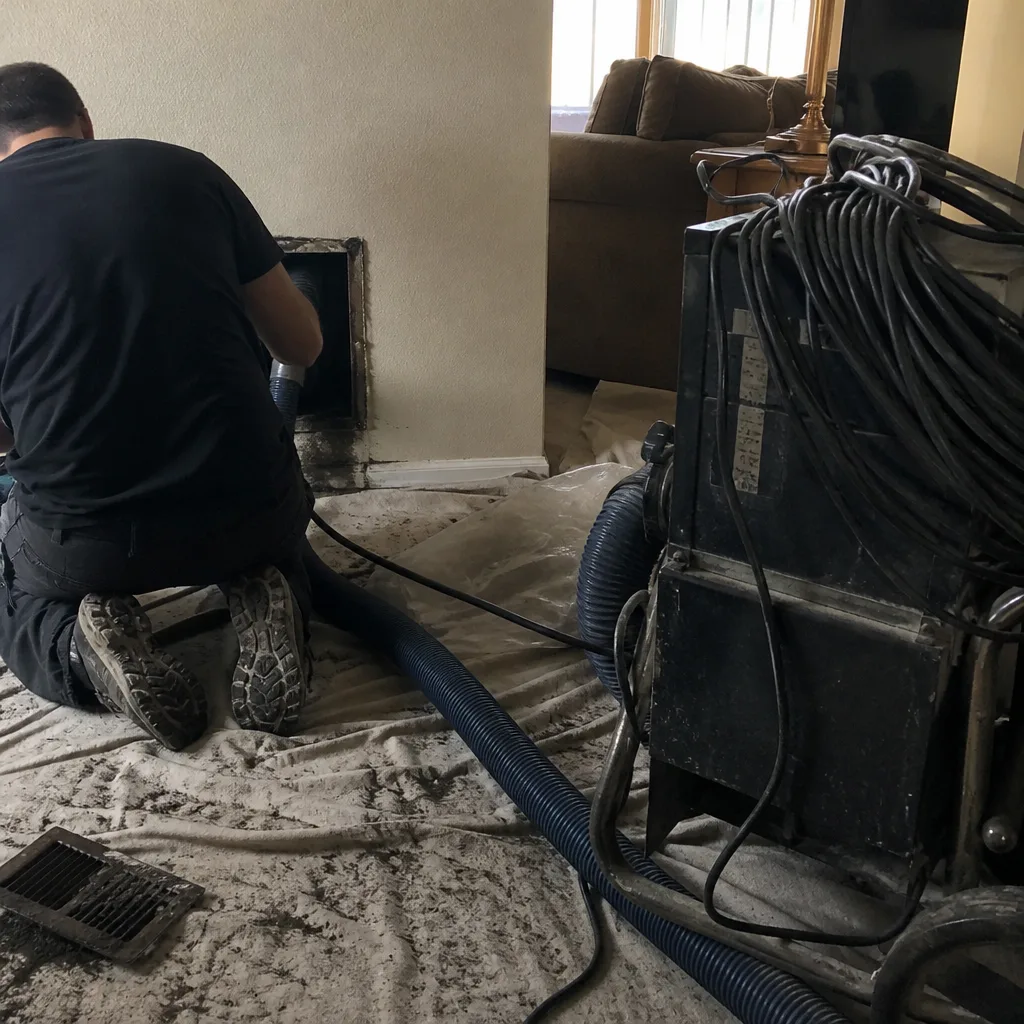 Before
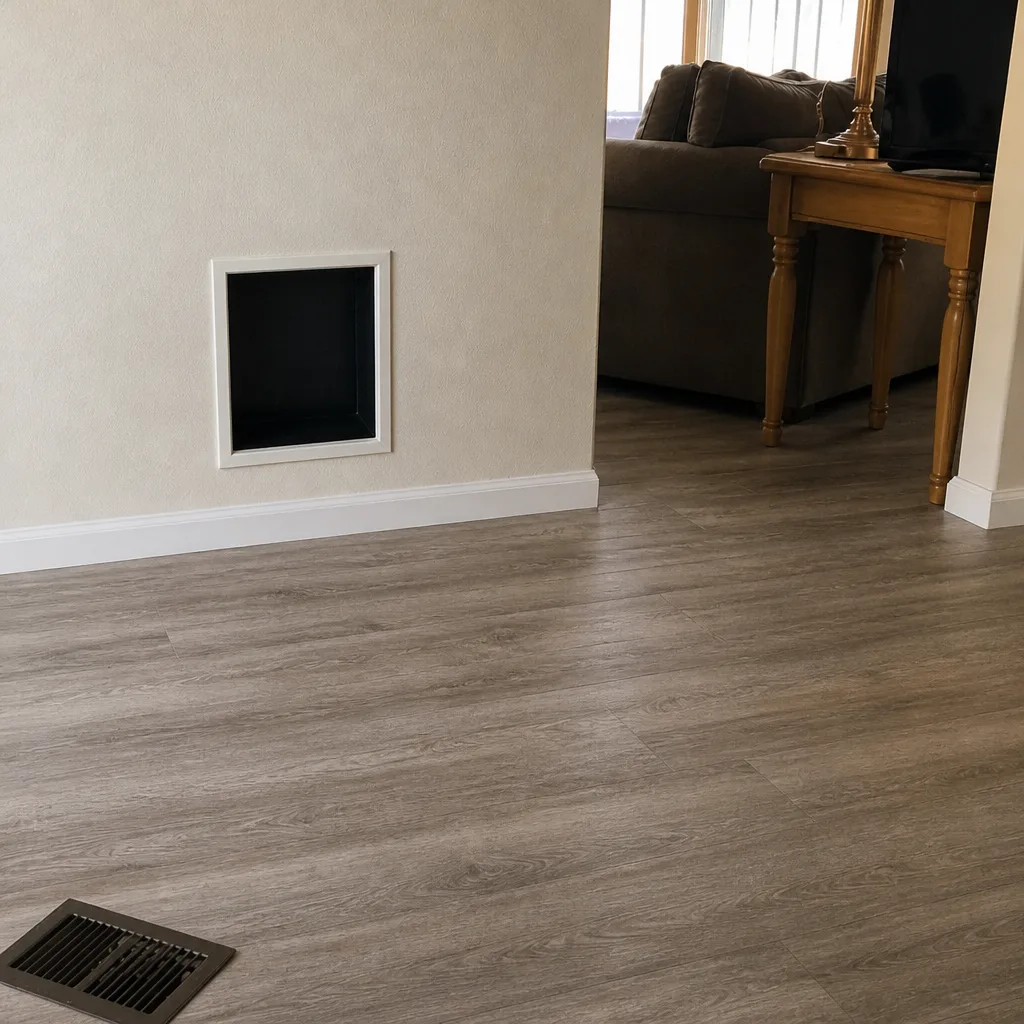 After
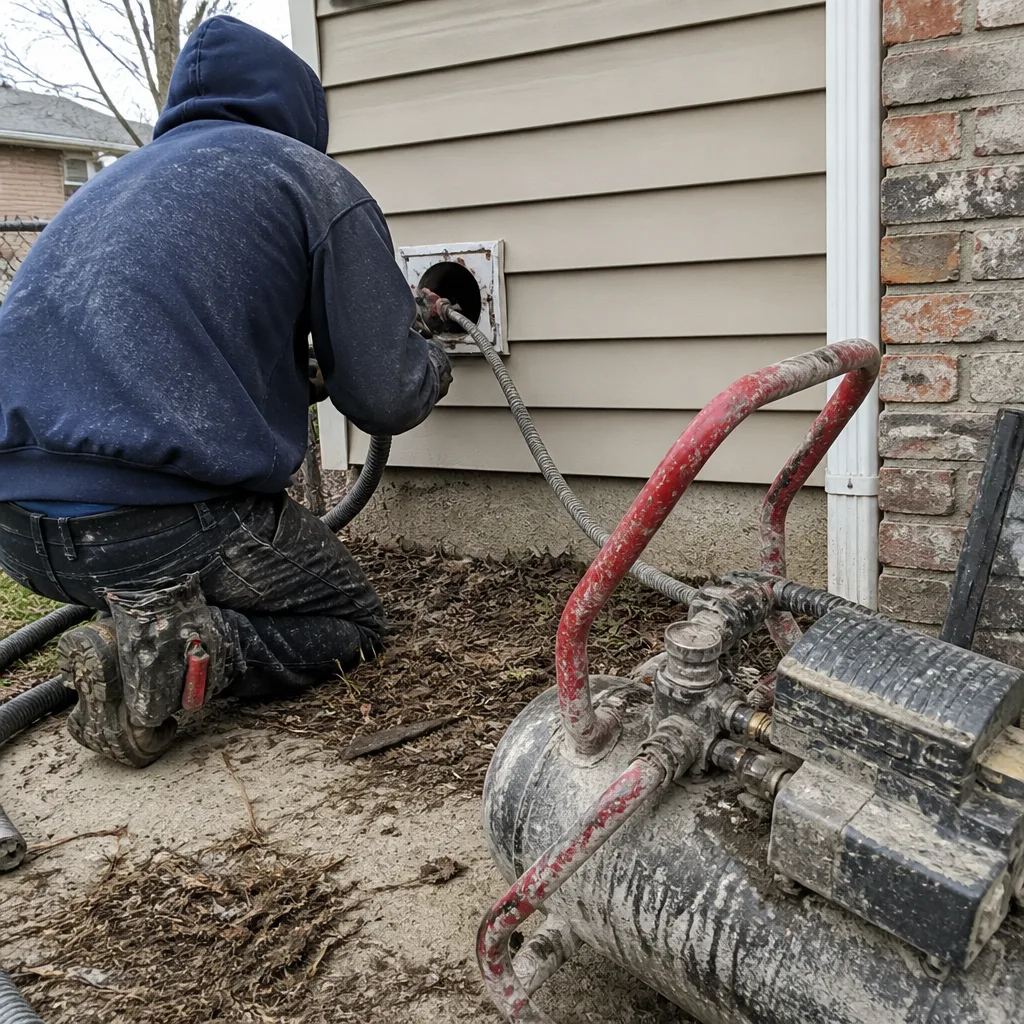 Before
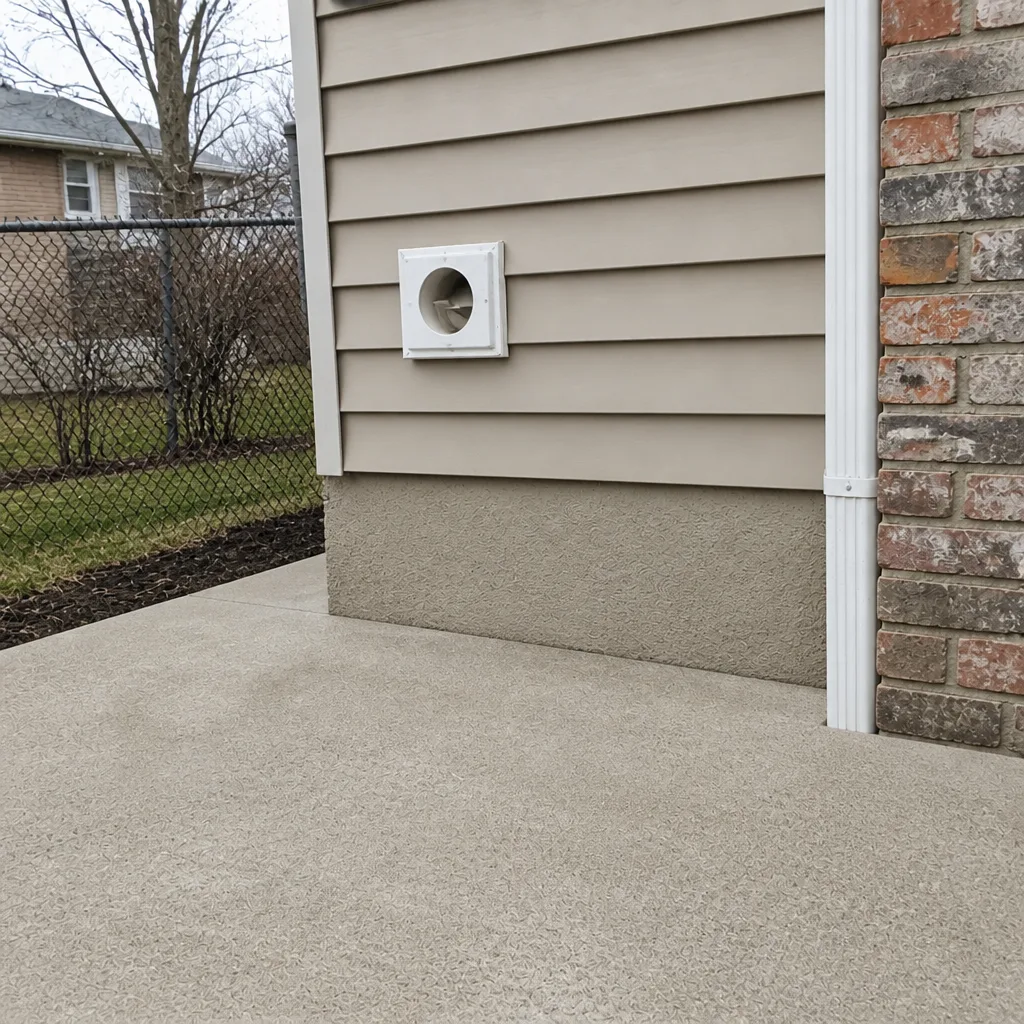 After
 Before
 After