
Last updated November 25, 2026
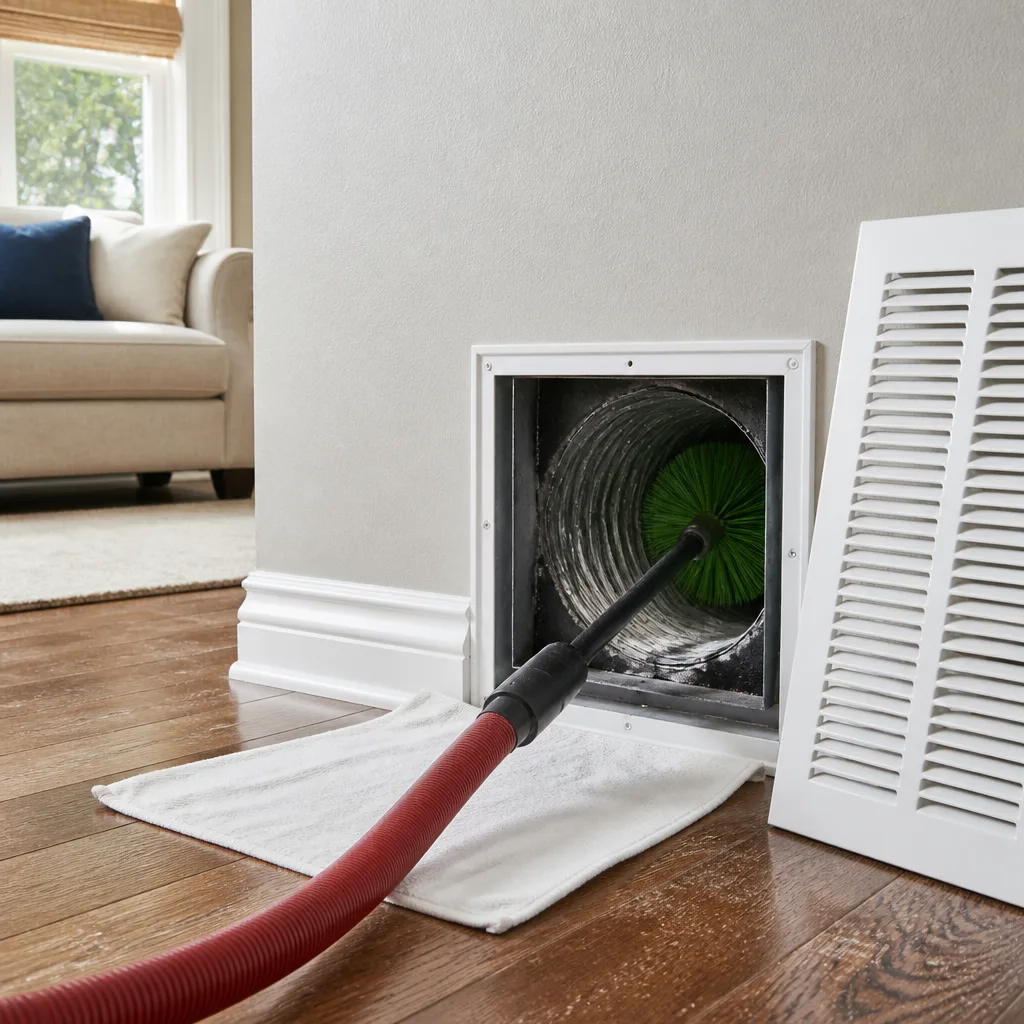
 Whole-home duct cleaning
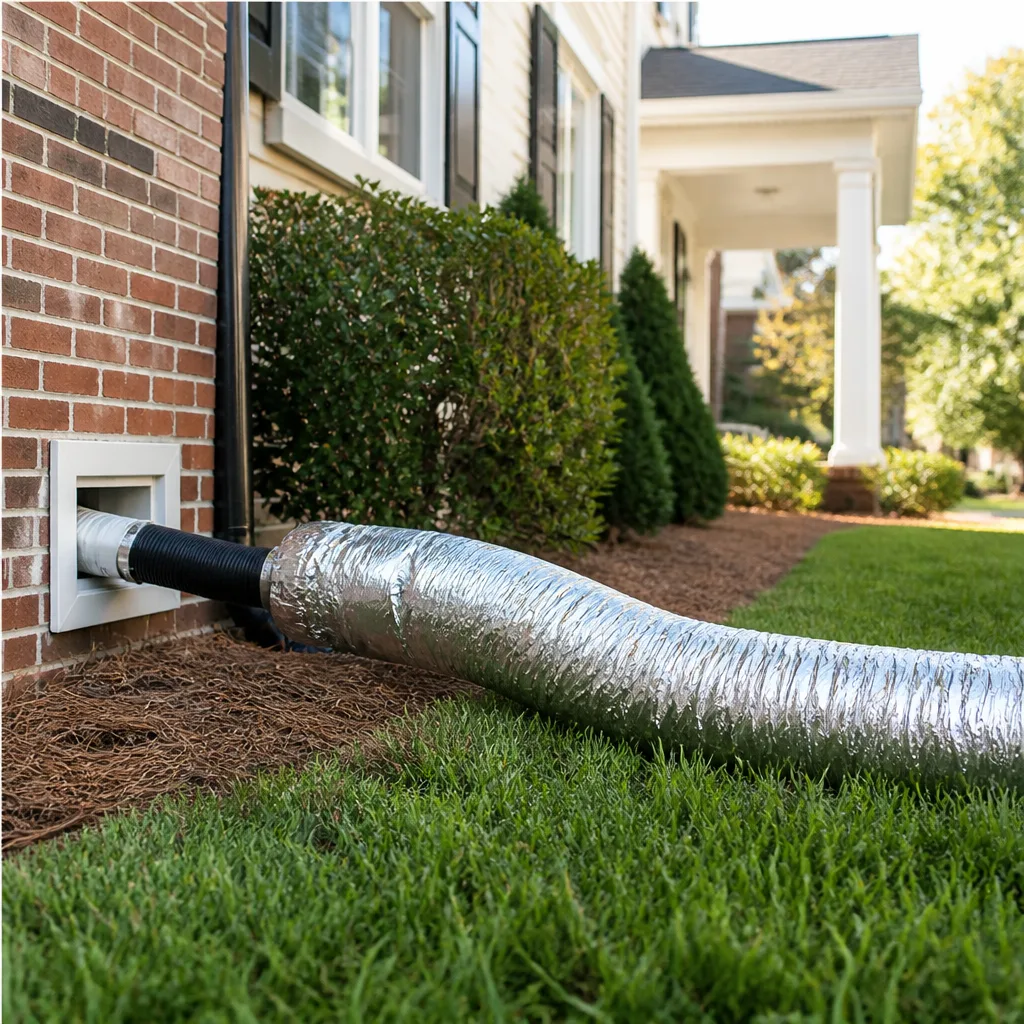
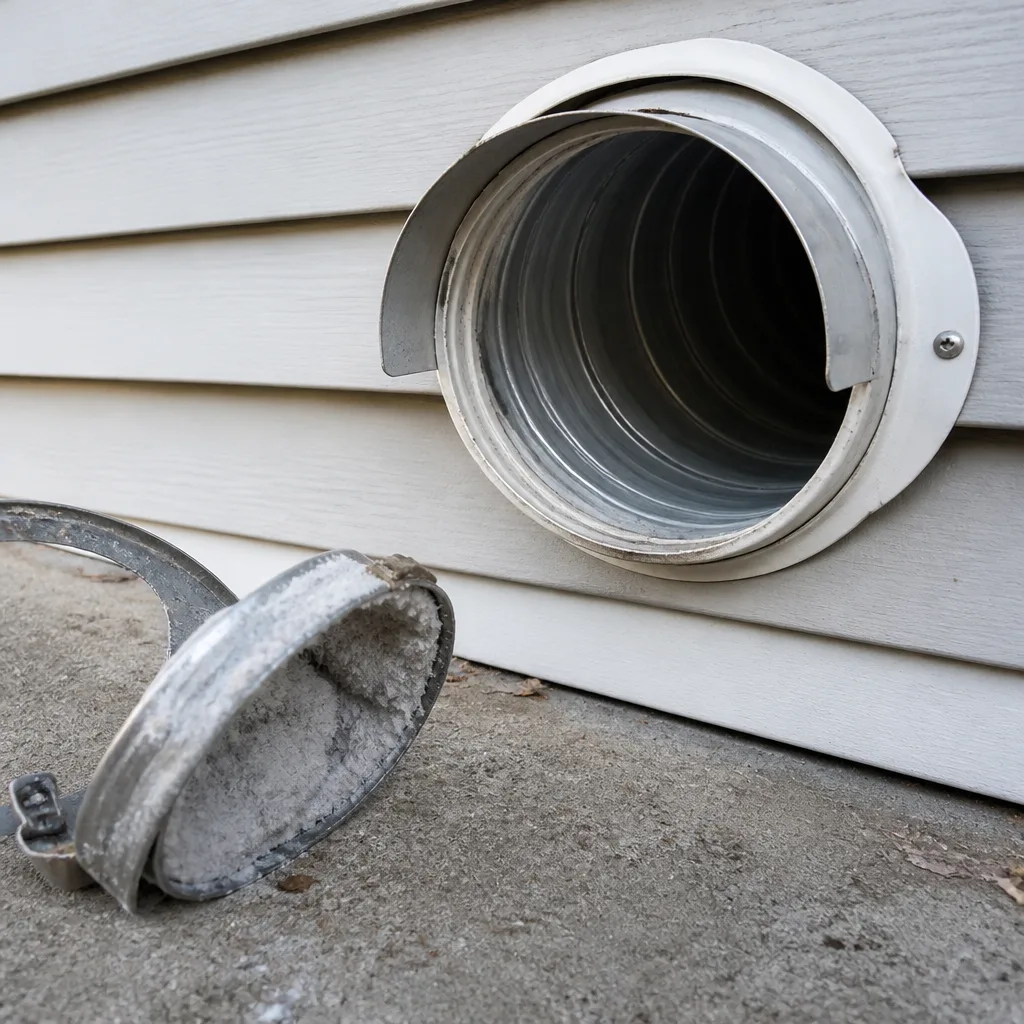 Dryer vent cleaning
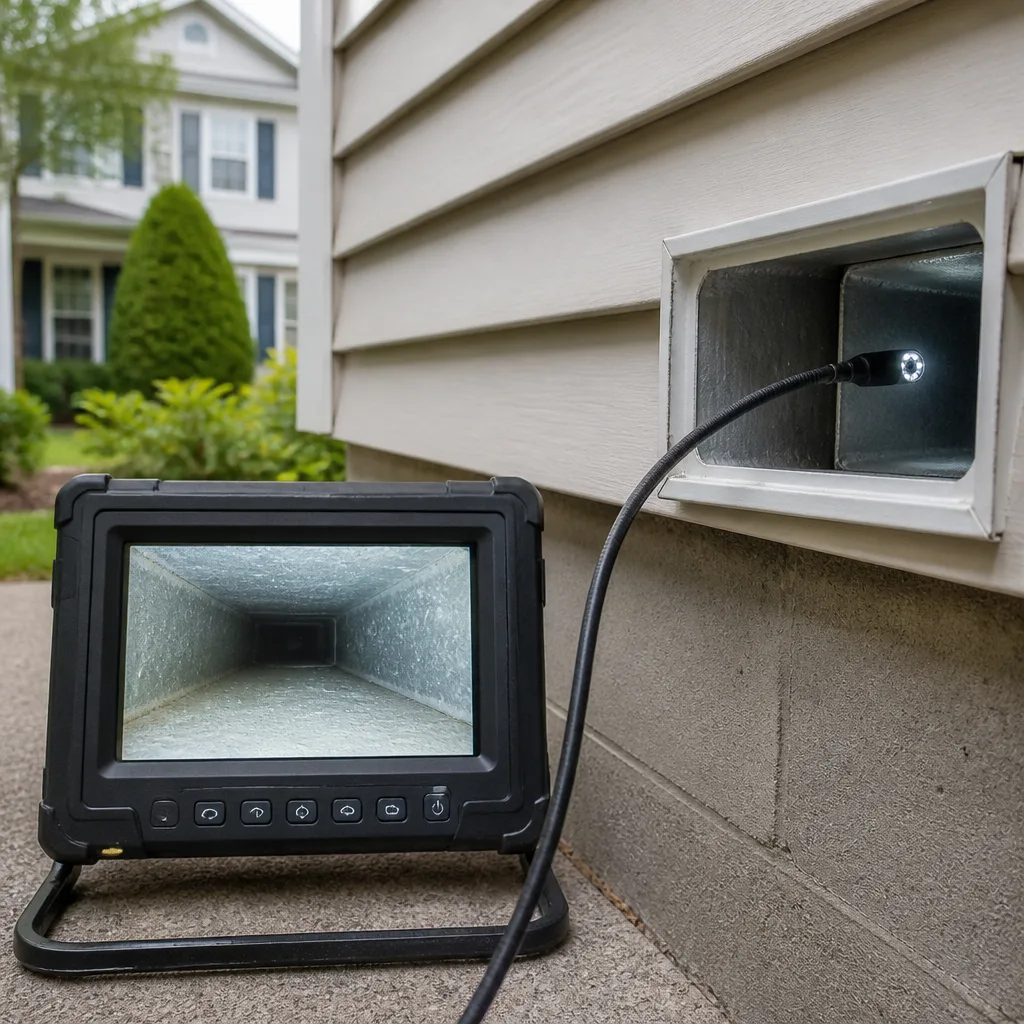 Camera inspection
 Sanitizing & deodorizing
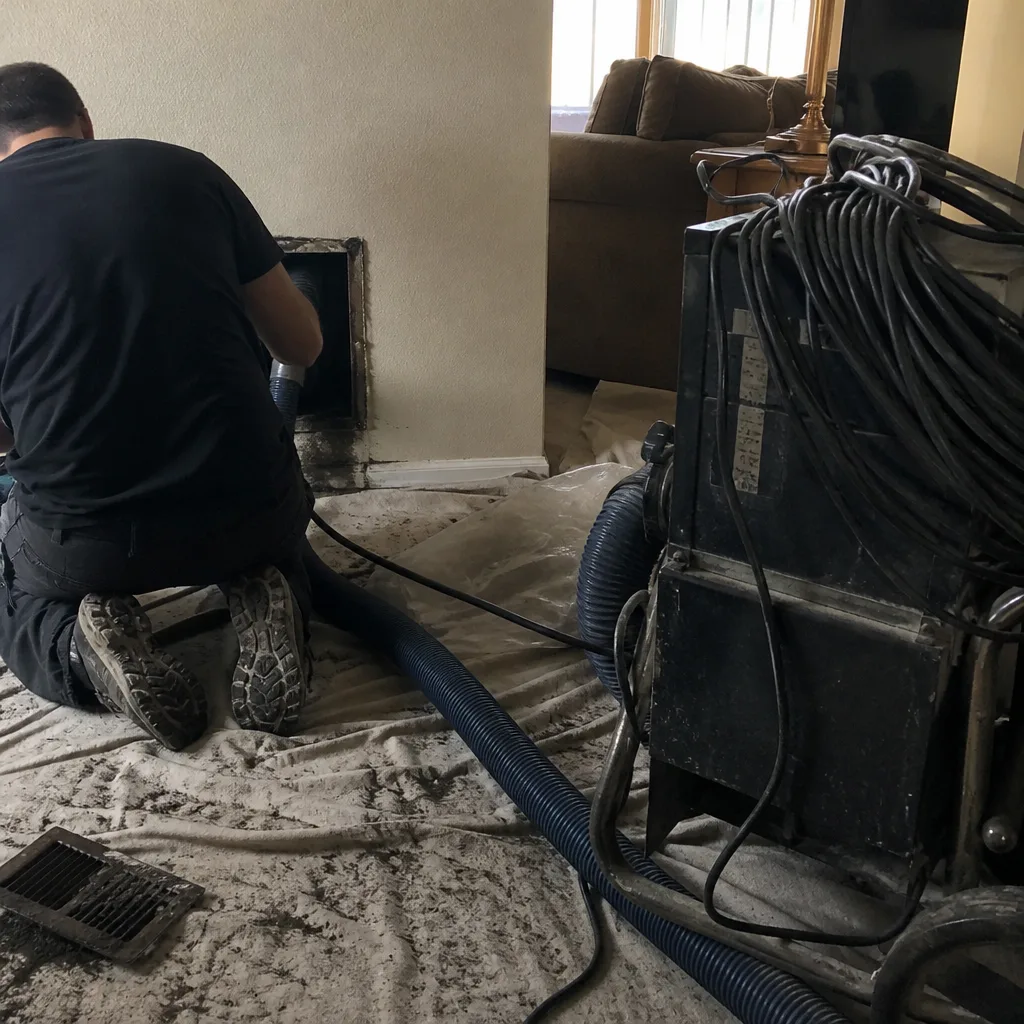
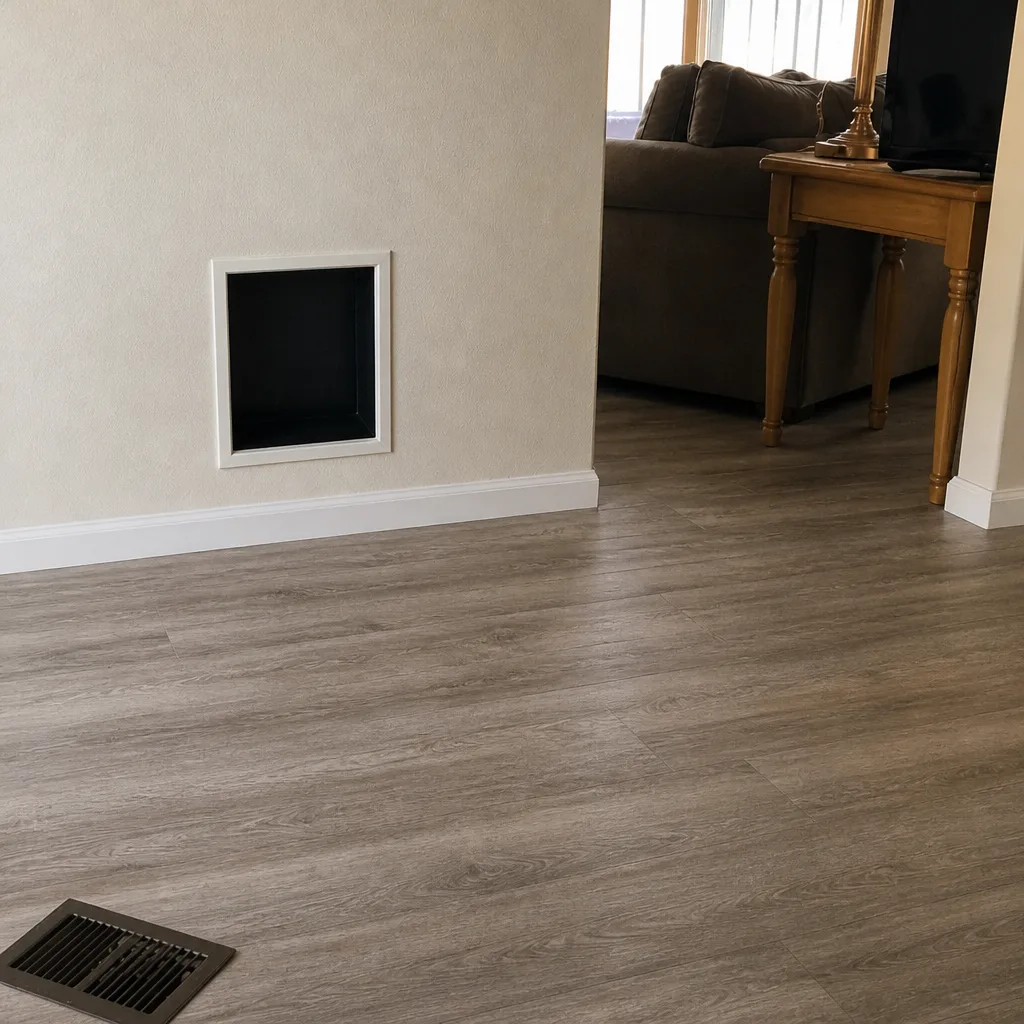
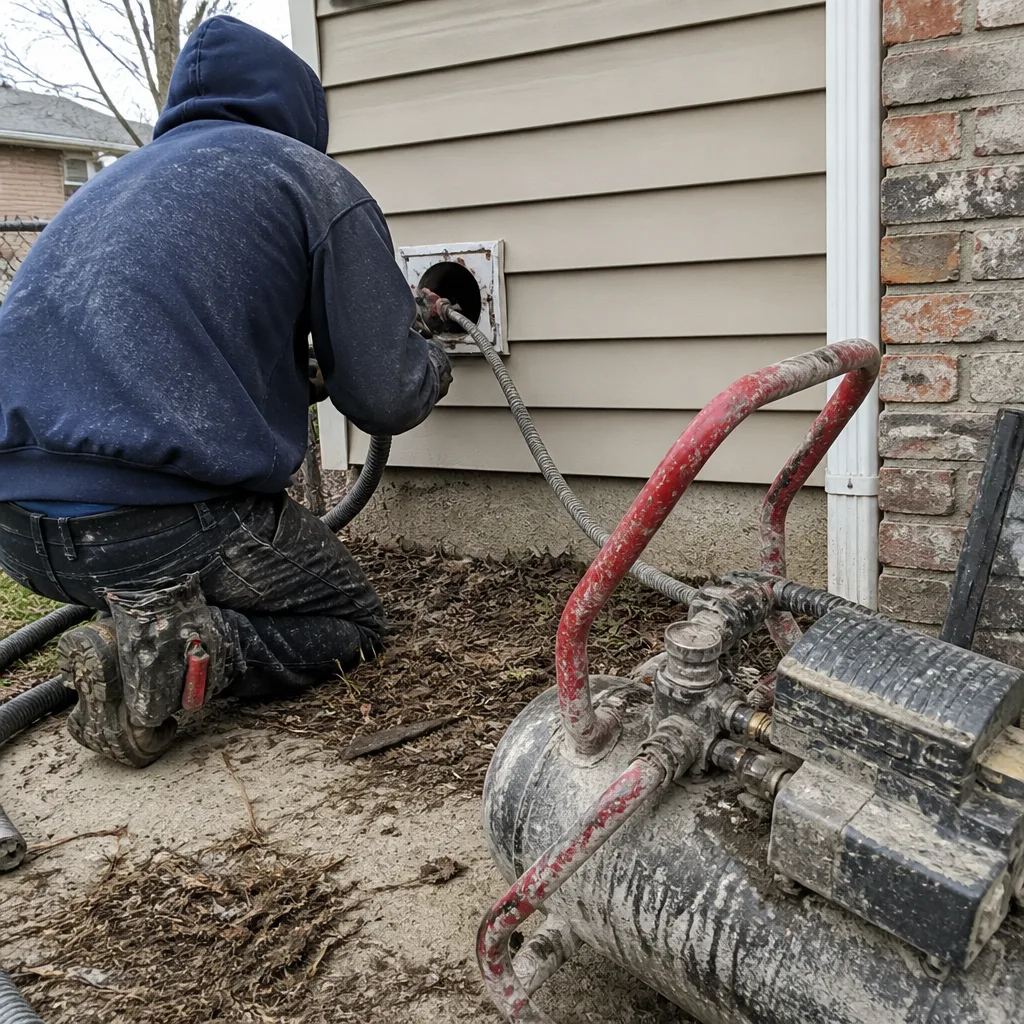
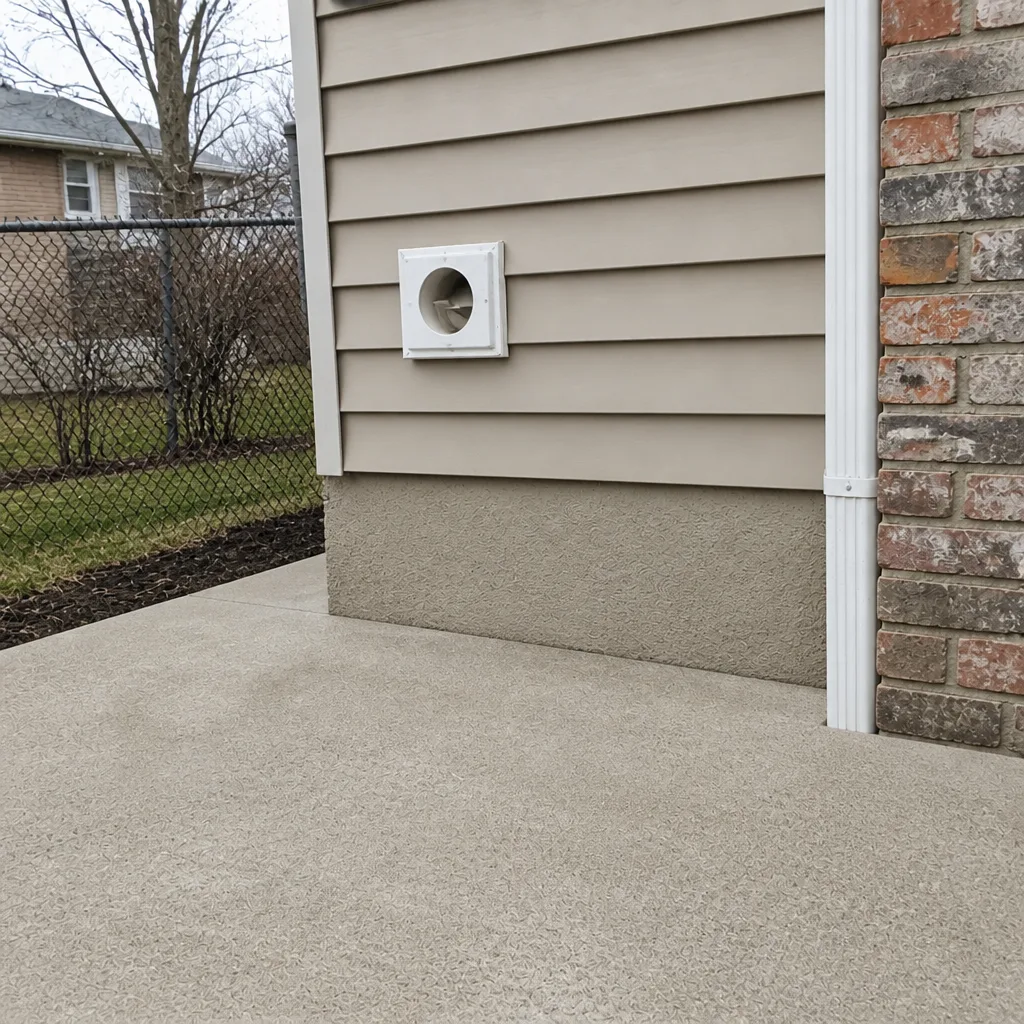
Whole-system duct and dryer vent check with before-and-after photos - you see exactly what came out of your vents
That "$99 whole-house special" is a bait ad - the real number appears once they are in your hallway, or the "clean" is a shop-vac at the register. We photograph the inside of your ducts before and after instead.
Air Duct Cleaning Maintenance Checklist for Sandy Homeowners
Changing your oil every 3,000 miles means nothing if your valve cover is leaking. Duct cleaning works the same way. A lot of Sandy homeowners treat duct cleaning as a fixed-interval chore, something to schedule every few years and forget about in between. That’s backwards. How fast your ducts re-contaminate depends almost entirely on five conditions that have nothing to do with the cleaning itself: filter loading, duct sealing, moisture intrusion, HVAC operation, and what’s happening in the outdoor air. This guide gives you a monitoring system built around Sandy’s actual calendar, from the winter inversion season to summer wildfire smoke, so you’re checking the right things at the right time instead of guessing. We’ll cover what to look at, how to log it, and exactly when to escalate from self-checking to calling a pro.
Quick Answer
An effective duct maintenance checklist for a Sandy home is a year-round monitoring routine, not a cleaning schedule. You check and log filter loading monthly, watch supply and return registers for dust ring buildup, inspect accessible flex duct for sag, and complete four seasonal anchors: pre-inversion prep in October, post-inversion filter swap in March, a wildfire smoke protocol in July and August, and furnace startup inspection in November. Professional cleaning happens when your logged data tells you it’s needed, or roughly every few years for most homes.
Styles & brands we work with
- Whole-home duct cleaning
- Dryer vent cleaning
- Camera inspection
- Sanitizing & deodorizing
Table of Contents
- Why Monitoring Beats a Cleaning Schedule
- Tracking Filter Loading Rates in Sandy
- Visual Inspection Points You Can Check Without Tools
- The Sandy Month-by-Month Checklist
- When to Escalate: Monitoring vs. Inspection vs. Cleaning
- Documenting Duct Condition Over Time
- Extending the Checklist to the Full Airflow Chain
Why Monitoring Beats a Cleaning Schedule
Two houses on the same Sandy street, similar square footage, similar furnace, can accumulate duct contamination at completely different rates. One might stay reasonably clean for five years. The other needs attention again in eighteen months. The difference is almost never the ducts themselves. It’s what’s feeding them.
We see this constantly and it’s the reason duct cleaning recommendations vary so widely across contractors. A technician who only cleans, and never diagnoses, has no way to know whether your ducts will be loaded again in a year or stay clean for five. They quote a generic interval because it’s all they can do. That’s why air duct cleaning on its own, without an ongoing monitoring routine, often feels like you’re paying for the same result twice.
The five upstream conditions that determine re-contamination speed are:
- Filter performance. The right filter, changed at the right interval, removes most of what would otherwise settle in your ducts. The wrong filter, or a clogged one, does very little.
- Duct sealing. Every leak in a supply or return run pulls unconditioned air from attics, crawlspaces, or wall cavities directly into your living space airflow. Leaks are contamination pathways.
- Moisture intrusion. Damp duct interiors grow biological growth. Moisture is the single biggest variable nobody checks, and in Sandy it’s mostly tied to leaks and cooling coil condensate, not ambient humidity.
- HVAC operation. A furnace with a dirty blower wheel, a weak blower, or restricted airflow recirculates debris instead of pushing it past the filter. Your system’s own operation can dirty your ducts.
- Outdoor air events. Sandy sits in a bowl. Winter inversions trap fine particulate at the valley floor, and summer wildfire smoke drifts in from distant fires. Both load your filter faster than a clear-air week, which is why your checklist has to be seasonal and not just interval-based.
Track these five and you’ll know more about your duct health than any single inspection. That knowledge is also leverage when you hire anyone, because you’ll be able to describe exactly what you’ve observed.
Tracking Filter Loading Rates in Sandy
Your filter is the cheapest, most reliable proxy for how fast your ducts are loading. Filter loading isn’t just about what’s in the air; it’s about how much of it your system is moving and whether your filter media is actually catching it. A MERV-11 filter clogging in three weeks tells a very different story than one clogging in eight.
Here’s what the loading rate is telling you:
- Clogged in about three weeks. Something is aggressive. Could be a return leak pulling attic or crawlspace air, a filter frame that doesn’t seal so air bypasses the media, an oversized furnace pulling more than the filter’s rated airflow, or a genuinely heavy outdoor particulate event like a bad inversion stretch or wildfire smoke plume. Two consecutive months at this rate means call for a professional airside inspection. There is a leak or an airflow problem to find.
- Clogged in about six to eight weeks. Normal for most Sandy homes in active heating or cooling season. Keep logging. Watch for the filter getting dirtier on one side than the other or in one corner before the rest, which points to a return leak.
- Barely dirty after eight weeks. Either your filter is too low a MERV to be effective, or your filter frame is bypassing so much air that the media isn’t doing its job. Check the frame seal. If a return grille filter sits loosely in its frame, most of your air is going around it, not through it.
Log the install date and the visible loading date on a strip of tape on the furnace cabinet or in a notes app on your phone. Note the MERV rating. If your filter catches less than a MERV-11, consider a step up, but know that stepping up increases airflow restriction on an older system, which is why a professional should look at your blower and filter return before you make the change. Honeywell and Aprilaire filter cabinets are built to handle higher-MERV media in-line, and a professional-grade setup with one of those families of products is a cleaner solution than cramming a high-MERV panel filter into a return grille that wasn’t designed for it.
Visual Inspection Points You Can Check Without Tools
You don’t need equipment to read your ducts. Three visual checkpoints, done monthly, catch most problems before they become expensive.
1. Supply register dust rings
Look at the face of your supply registers in every room. A faint, even film is normal. A defined dark ring around the perimeter of the grille, or a dark halo around the diffuser barrel, means air is pushing dust past the register as it exits. A ring is your earliest visual indicator of dust reaching the register; a heavy, fast-recurring ring points to a source upstream. If you clean the ring with a damp cloth and it’s dark again in two weeks, the duct behind that register is loading.
2. Return grille surface buildup
Return grilles catch more than supplies because they pull air in. Compare return grilles to each other. In a balanced system you’d expect roughly even buildup across the returns. When one return collects far more than the rest, that run is pulling more debris than the system can handle upstream. On a central-return or filter-grille return, buildup at that grille also means a lot of that debris is bypassing the filter entirely.
3. Flex duct sag indicators
Look up in the attic or down in the crawlspace at accessible flex runs. A properly installed run hangs or supports with gentle, even curves. A run sagging significantly between supports is collecting debris in the sag and is probably holding condensate in cooling season. Sag plus visible condensation on the outer wrap plus a smell is the combination that most often leads to growth inside the duct. If you can see standing condensation or dark staining on the jacket of a flex run, don’t run the system and get it looked at.
We also watch for torn insulation jackets, disconnected connections at boots, and runs crushed under attic decking. All three create pathways for unconditioned attic air to enter your system. That’s a duct repair and sealing issue, not a cleaning issue, and it’s exactly the kind of thing that never gets fixed by a company that only cleans. We repair what we find, which matters because a cleaned duct with a torn connection will re-contaminate faster than it did before.
The Sandy Month-by-Month Checklist
Sandy’s air quality season is its own calendar. Use this as the backbone of your monitoring year, and adjust the specific dates to the actual weather.
October: Pre-inversion prep
Before the valley inversion season sets in, change your filter, check every filter frame for a tight seal, and inspect accessible flex runs for sag or damage. Anything you want to fix before winter, fix now. This is also the best month for a full inspection if you haven’t had one recently: you’re ahead of the heavy-loading season and any repair work (sealing, reconnect, flex replacement) can get done before you need your furnace at full pressure.
November: Furnace startup inspection
Get your furnace looked at. Specifically, ask a technician to check the blower wheel for dirt and the return air path for leaks. A dirty blower wheel is a real cause of duct contamination because it reduces airflow and can fling debris past the filter. Your checklist item here is to confirm the *second* system component (the blower) is clean, because a furnace that runs with a dirty blower will re-load your ducts even after cleaning. Warm-air heating runs for months in Sandy, so the operating condition you set in November largely determines how fast your ducts load through the winter.
December through February: Inversion watch
During active inversion periods, the filter loads faster because the valley floor traps particulate. Check your filter every two to three weeks rather than waiting a full month. Note the dates of your filter swaps. If you swap twice as often through inversion as you do in spring, that’s not a problem, it’s your check doing its job. Consider running a portable air cleaner inside the home on high-inversion days. This is also when a dirty return grille shows up most clearly, so watch the returns.
March: Post-inversion filter swap
When inversion season breaks, swap the filter one final time and log the loading. That swap is your first measurable data of the year: comparing this March’s loading interval to last March tells you whether anything has changed. If the load is heavier this year, look for a new leak, a cooling coil problem from last summer, or a change in your HVAC’s operation.
April and May: Cooling season check (and dryer vent)
Before your first cooling season, check the condensate line and drain pan at the evaporator coil. Moisture is the single biggest factor in duct contamination, and most in-duct moisture problems trace to evaporator coil condensate leaks or a wet filter. If the filter at the return has been wet, don’t just replace it, find out why. This is also a good month to check your dryer vent cleaning status: your dryer vent is a separate airflow system with its own fire risk, and its lint load is a household safety item that deserves a fixed check on the calendar.
June: HVAC cooling performance check
Have the blower and coil looked at mid-season. A dirty evaporator coil that’s damp becomes a growth surface that feeds odor and biological growth into the airstream. This is the month for a full HVAC cleaning inspection if you’ve noticed musty odors or uneven airflow, so problems are found while there’s still plenty of cooling season to correct them.
July and August: Wildfire smoke protocol
Fire season brings smoke plumes from distant fires into the Salt Lake Valley. Smoke is fine particulate that loads filters quickly and pokes straight through low-MERV media. During active smoke events: keep windows closed, run your system with the fan on circulate rather than auto, swap or vacuum the filter more often, and consider a higher-MERV filter for the duration if your system can handle the restriction. Log the smoke days and the loading dates. If you have asthma or other respiratory concerns, consider having an air sanitizing pass with Guardsman-backed protocols performed after the smoke season, which addresses what’s settled in the ducts and coil rather than just what’s in the airborne supply.
September: End-of-summer reset
Swap the filter, inspect the coil and condensate pan again, and check accessible ducts for moisture before heating season starts. Heating season is when dry, dusty air moves through your system for months, so you want to start it clean.
When to Escalate: Monitoring vs. Inspection vs. Cleaning
The most common mistake we see is jumping straight to full cleaning without knowing what caused the contamination. That’s the oil-change-without-fixing-the-leak problem again. Here are specific thresholds we use to decide which level of service a homeowner actually needs.
Keep self-monitoring
Stay at the monitoring level if:
- Filters load evenly and consistently in six to eight weeks through the active season.
- Register dust rings are faint and take four or more weeks to recur after cleaning.
- No musty, wet, or metallic odors from the airstream.
- No condensation on accessible flex ducts.
- Airflow feels even room to room, and energy bills aren’t trending up without a weather explanation.
Book a professional inspection
Move up to a professional airside inspection if any of these show up:
- A filter clogs in three weeks or less for two consecutive months.
- Register dust rings recur in under two weeks after you clean them.
- One return is dramatically more loaded than the others.
- Visible sags, tears, or disconnections in accessible flex duct.
- Any odor from supply registers, even faint.
- Running the system has started to produce a “popping” or whistling sound near a register, which usually traces to a sealing problem.
- You find wet filter media, ever, even once.
An inspection is a physical check of the airside assembly: the coil, the blower, the accessible ductwork, the connections, and the supply and return paths. From that, we can tell you whether cleaning is warranted, or whether you just need duct repair and sealing, or coil attention. The answer is not always cleaning.
Book full cleaning
Full professional cleaning is the right call when:
- An inspection finds measurable debris accumulation in the duct runs themselves. That’s the threshold that matters: not visible dust at the register, but debris inside the run.
- You have a documented odor source or visible biological growth inside a duct run.
- You’ve just completed a major renovation or bought a home with unknown ductwork history. Construction dust and drywall are best removed before the system runs a full season.
- Documented loading at short intervals (below three weeks) that hasn’t responded to a leak fix.
Professional-grade equipment matters most at this stage. Our technicians use Rotobrush and Nikro equipment the same way commercial restoration crews do, with Abatement Technologies air filtration integrated into the process for containment. That matters because you want what comes out of the ducts captured, not released into your living room. Our technicians have up to 15 years of experience reading these systems.
Documenting Duct Condition Over Time
The reason to log everything is that duct problems are slow. A single filter swap tells you nothing. Twelve months of logged swaps tell you a clear trend, and that trend is:
- Evidence for a home warranty claim, if a duct problem turns out to be a defect or a covered repair rather than a maintenance issue. Most warranty carriers want to see evidence that the issue was ongoing and noticed, not just a one-time complaint.
- A way to judge any contractor’s proposal. When you invite three bids to clean or repair your ducts, you can hand them a one-page log: filter install dates, loading dates, photos of your registers, dates of the dust rings, dates you noticed odors. Ask each contractor how their proposal addresses what’s in the log. A contractor who just recommends “full cleaning” without addressing the cause has told you something about their approach.
- A way to catch what a once-a-year inspection can’t. You’ll notice a trend developing between their visits.
Here’s the simple documentation format we suggest for a Sandy home:
- A folder (physical or digital) labeled by year, with a strip of tape on the furnace cabinet for filter dates.
- Filter log: date installed, MERV rating, date you noticed loading, and where the filter was dirtiest.
- Register photos: snap the same three supply registers and two return grilles once a month. Same angle, same light. Compare shots over time; fast ring recurrence jumps out in photos when it doesn’t in person.
- Event log: inversion days, smoke days, furnace service dates, cooling coil service dates, any new smell you noticed and when.
- Contractor log: who inspected and when, what they found, what the written estimate said. This is your paper trail if you ever need it.
Extending the Checklist to the Full Airflow Chain
The checklist above is duct-focused because that’s your question. But your duct system is one part of a chain: return grilles and filter, the blower and coil, the supply trunks and branch runs, and the registers. Contamination anywhere upstream will feed back into the ducts. That’s why we build the checklist around the whole chain and not just the runs themselves.
At home, the chain extends further: the dryer vent is a separate airflow system, and lint buildup is a legitimate fire risk. Dryer vent cleaning belongs on the same annual calendar as your duct and HVAC checks, not a separate mental category you’ll get to later. When you do call, one provider handling duct, HVAC, dryer vent, repair, and sanitizing means a single diagnosis of the whole airflow system rather than handing off between contractors who each see one piece.
For the actual professional work, our approach is professional-grade equipment with residential care. Rotobrush and Nikro equipment in the duct runs, Abatement Technologies filtration for containment, and Honeywell or Aprilaire product compatibility when filtration upgrades make sense. The same tools that commercial restoration crews trust, applied to your home’s system. If you’re ready to start the conversation, call (833) 858-9278. We answer 24/7. We can talk through your log, talk through the SIX sections above, and set up a free estimate for an inspection or cleaning based on what your own data says. Estimates are free and pricing is set per job by the written estimate.
Common Mistakes to Avoid
- Scheduling cleaning on a fixed clock without checking upstream causes. A three-year interval is meaningless if you have a leak feeding the ducts. The interval should follow the diagnosis, never the other way around.
- Replacing a clogged filter without asking why it clogged so fast. A fast-loading filter is a message. If you just swap it and move on, the message goes unread and the problem continues.
- Using too-high a MERV filter in a system that can’t handle the restriction. A MERV-13 panel in a return grille an older furnace was never designed for can starve the blower and cause other problems. Understand your system’s return design before upgrading media.
- Cleaning ducts but not addressing duct leaks. A cleaned system with a torn connection pulls attic air straight back in. Cleaning without repair is the most expensive thing you can do twice.
- Ignoring moisture. In Sandy, moisture problems are almost never about outdoor humidity. They’re about condensate leaks, wet filters, and unsealed ducts pulling damp air. Moisture is what turns a dusty duct into a growth problem.
- Waiting until a full year passes to check flex duct in the attic or crawlspace. A sag or connection failure you catch in a quick visual in October is a repair. The same failure found in July after a wet cooling season can mean remediation instead.
- Skipping the wildfire smoke protocol. Two months of smoke without extra filter attention can load a system faster than six normal months. The smoke protocol isn’t optional on the calendar; it’s an anchor check.
See the difference
 Before
 After
 Before
 After
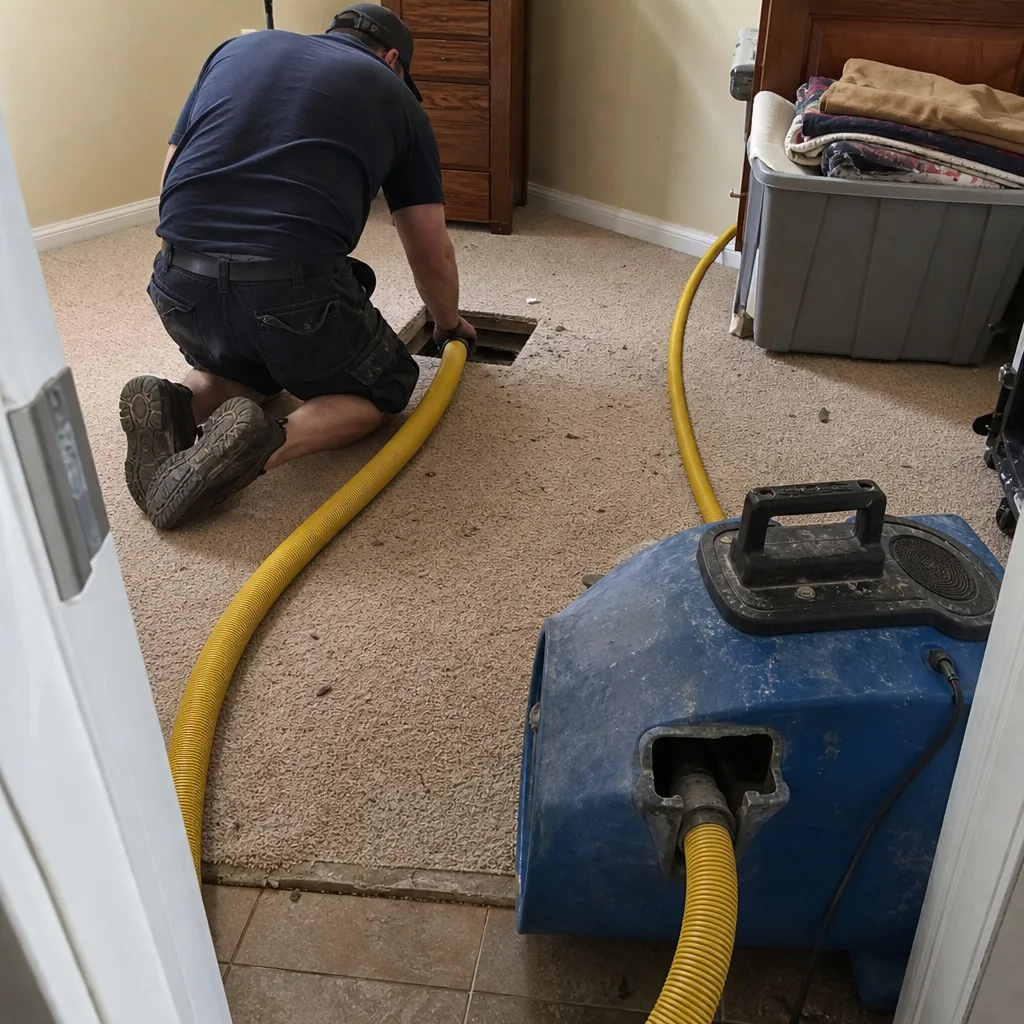 Before
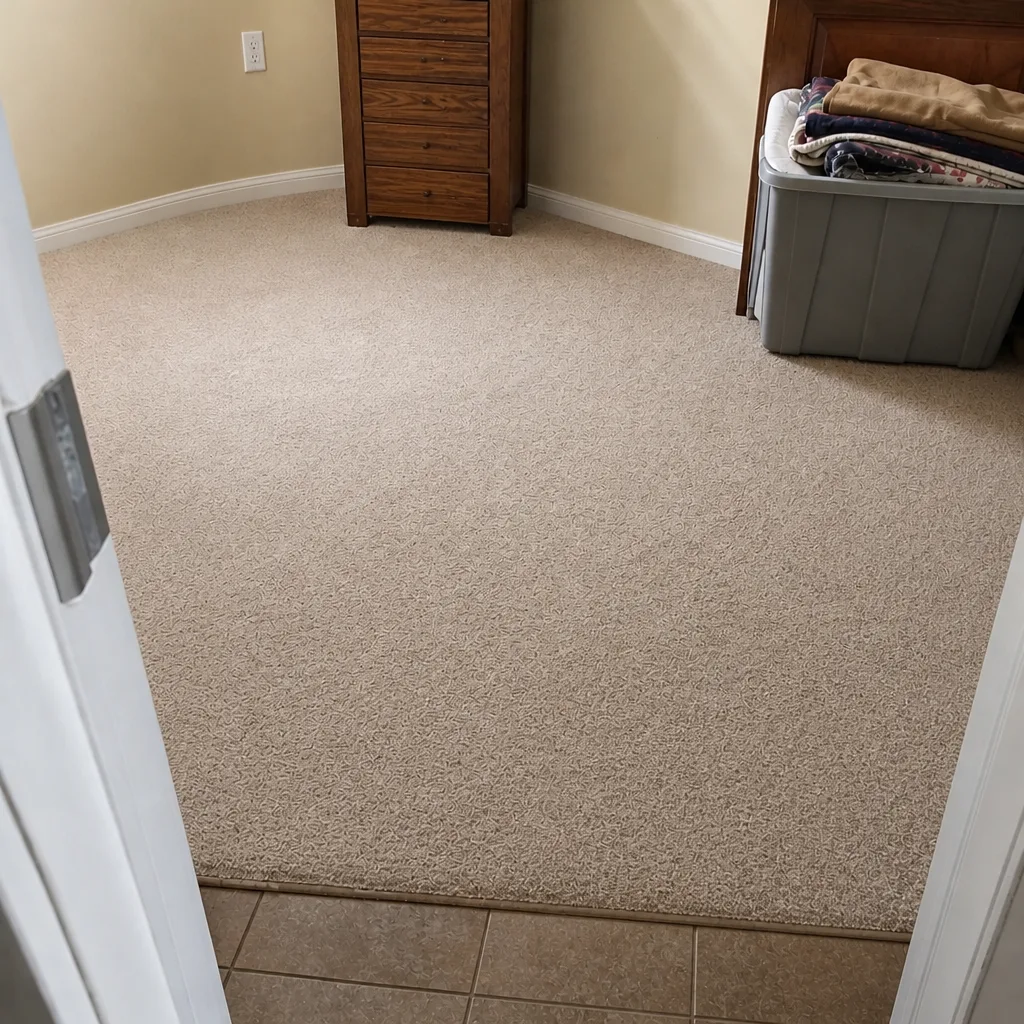 After
When to Call a Professional
Call for a professional when your own monitoring crosses the escalation thresholds in this guide: a filter clogging in three weeks twice in a row, dust rings recurring in under two weeks, any odor from supply registers, visible wet filter media, or a flex duct sag or tear you can see. Call before you hear a whistling or popping near a register, because that’s usually a sealing problem that gets worse the longer you run the system. If you’re not sure which level of service you need, don’t guess from a checklist; a professional airside inspection is the deciding step. We also recommend an inspection when you buy a home with unknown ductwork history, and after a major renovation.
Sandy Air Duct Cleaning Pros offers free estimates in Sandy. Call (833) 858-9278 and we’ll talk through your log and your observations. We answer 24/7. Fast dispatch from 7am to 7pm. We’re closed Saturday, and a call outside dispatch hours is booked into the next opening, Sunday through Friday. The estimate is free and the final price comes from the written estimate.
Frequently Asked Questions
Air ducts in Sandy need cleaning when your own monitoring data shows contamination in the runs themselves, not on a fixed calendar. For most homes with a clean filter routine and sealed ducts, that works out to checks every few years. For homes with active leaks, moisture problems, or smoke exposure, the interval can be much shorter. Call (833) 858-9278 for an exact quote. Estimates are free.
Yes. Winter inversion traps fine particulate at the valley floor, which loads your furnace filter faster than spring or fall. Expect to check and change filters every two to three weeks through active inversion periods rather than monthly. Log the swap dates; that data tells you whether the rest of your system is contributing. Call (833) 858-9278 for an exact quote. Estimates are free.
Air duct cleaning cost depends on your home’s size, number of duct runs, and whether cleaning or repair is needed, so a whole-system estimate is the only honest number. Beware quote structures that bait you with a coupon figure and expand the invoice on-site. We set one flat price per system, agreed before work starts, and show before-and-after photos of your own ducts. Call (833) 858-9278 for an exact quote. Estimates are free.
You know the work was done because you saw the result: before-and-after photos of your own ducts, not stock images from a brochure. Ask any contractor for photos of your system before they start and after they finish, and ask for the photos to include the runs, not just the registers. That’s the standard we hold ourselves to. Call (833) 858-9278 for an exact quote. Estimates are free.
Yes. Duct repair and sealing can be done during the same visit as cleaning, which is the main advantage of working with a provider that does both. Cleaning a system with a known leak just re-contaminates it faster, so finding and fixing leaks is the better order of operations. Call (833) 858-9278 for an exact quote. Estimates are free.
Cheap duct cleaning quotes are usually per-vent prices for a rapid surface touch that never verifies what’s inside the run, and the invoice often expands once the technician is on-site. A whole-system flat price with documented results and before-and-after photos costs what it costs because the work is measured differently. If a quote doesn’t tell you what equipment will be used and what you’ll get as proof, that’s your answer. Call (833) 858-9278 for an exact quote. Estimates are free.
Yes. Major renovation moves drywall dust, sawdust, and construction debris into the supply system, and it’s better removed before a full heating or cooling season pushes it through the whole house. This is one of the clearest cases where cleaning is warranted independent of your regular monitoring. Call (833) 858-9278 for an exact quote. Estimates are free.
The Bottom Line
The fix for re-contaminating ductwork isn’t a better cleaning schedule; it’s tracking the five conditions that control how fast ducts load: filter performance, duct sealing, moisture intrusion, HVAC operation, and outdoor air events. Read the filter, watch the registers, look at your accessible flex runs, and anchor your year to Sandy’s actual seasons: inversion prep in October, filter swap in March, cooling check in June, smoke protocol in July and August, furnace startup in November. Log it all, escalate to a professional when your data says something is off, and know whether you’re looking at cleaning, repair, or both before anyone quotes you.
If you’d rather have those eyes on your system, we’re here. Call (833) 858-9278. We answer 24/7. Fast dispatch from 7am to 7pm. Estimates are free, and the price is set per job by the written estimate. For a full look at everything we do, start with Sandy Air Duct Cleaning Pros, and when you’re ready to put the monitoring into action, we’ll walk your airside system from the vent to the unit.
Written by the team at Sandy Air Duct Cleaning Pros.